
A Home Transformed: AI in 2026
Eleanor, diagnosed with moderate dementia, wakes up in her home in 2026. Her home is an active partner in her wellbeing. The smart thermostat adjusts to her preferred temperature, and a voice assistant reminds her to take her morning medication. Later, a sensor detects inactivity and encourages movement by playing her favorite music. This technology extends human care, creating a safety net and fostering independence.
AI systems offer personalized assistance, adapting to individual routines. The Centers for Medicare & Medicaid Services (CMS) recognizes this potential through their GUIDE (Guiding an Improved Dementia Experience) model, which focuses on person-centered care for individuals with dementia. Smart home technology supports these goals by creating a responsive environment.
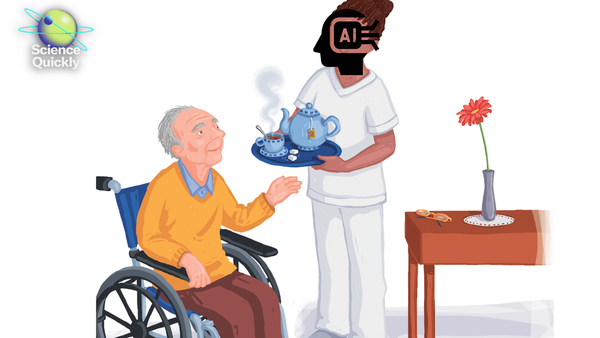
The shift is from reactive to preventative care. AI doesn't eliminate human connection but frees caregivers to focus on companionship, emotional support, and meaningful interactions. This allows individuals to maintain autonomy, improving quality of life. Technology enhances life, rather than dictating it.
Safety Nets: Preventing Accidents & Wandering
Falls and wandering are major concerns for people with dementia. AI technologies offer solutions, but ethical implications require careful consideration. Embedded sensors can detect falls and alert caregivers. Wearable devices monitor vital signs and movement, providing early health warnings.
Cameras can provide visual monitoring, identifying hazards or unusual behavior. Balancing safety with privacy is critical. Communication with the person with dementia and their family is essential, and systems should minimize intrusion. Geofencing, creating virtual boundaries, is not foolproof; signal loss or deliberate attempts to leave the area can render it ineffective.
Alzheimer’s Society (alzheimers.org.uk) stresses understanding the reasons for wandering, such as anxiety or a need for familiarity. Technology can support these efforts by triggering calming music or displaying familiar photos when someone approaches a boundary, rather than just sending an alert. The goal is a supportive environment that addresses individual needs, not just restricts movement. Technology should work with the person, not against them.
- Fall Detection Sensors: Placed in floors or wearable devices.
- Smart Cameras: Used for visual monitoring, with privacy safeguards.
- Geofencing: Virtual boundaries to alert caregivers if someone wanders.
- Wearable Trackers: Monitor vital signs and location.
Memory Support: AI as a Cognitive Aid
AI assists with memory loss challenges. Automated reminders for appointments, medications, and daily tasks reduce anxiety and increase independence. Facial recognition helps individuals identify loved ones. Voice assistants can prompt recall or provide information.
Digital life story albums, with photos and videos, aid reminiscence therapy. AI can organize and curate these albums, suggesting memories based on conversations or events. Personalization is key; an AI system learning individual preferences, routines, and memories is more effective than a generic solution.
These tools are aids, designed to supplement, not substitute, human interaction from family, friends, and caregivers. A voice assistant can’t offer a hug, and a digital photo album can’t replace a shared memory. The goal is to use AI to enhance connection, not replace it.
The Connected Kitchen: Nutrition & Wellbeing
Maintaining nutrition is a challenge for people with dementia. Smart kitchen appliances assist with meal preparation, monitor dietary intake, and prevent cooking accidents. Stove shut-off sensors automatically turn off the stove if unattended, reducing fire risk. Smart refrigerators track expiration dates and suggest recipes.
AI-powered grocery ordering and delivery services can be tailored to specific dietary needs, ensuring individuals receive nutritious meals without the burden of shopping. Some systems analyze eating habits and provide personalized recommendations. Fully automated cooking is still evolving, but more smart appliances simplifying meal preparation are likely by 2026.
The connected kitchen promotes overall wellbeing. Ensuring access to nutritious meals and a safe cooking environment helps people with dementia maintain physical health and quality of life. This is an important contribution to care.
Social Connection: Combating Isolation
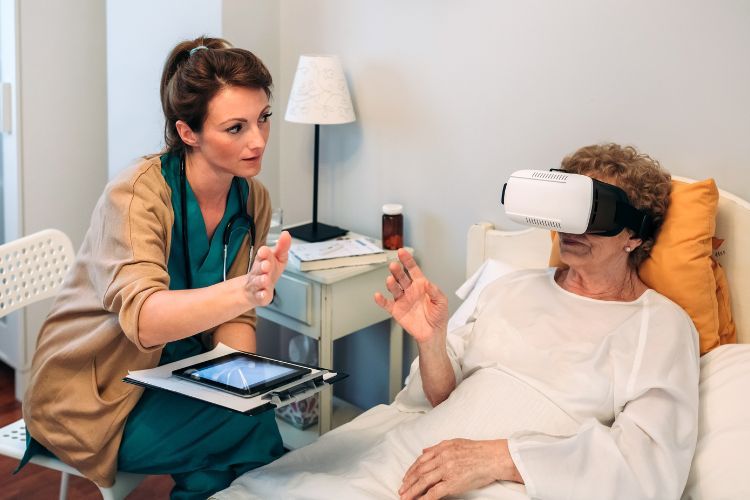
Social isolation is a common consequence of dementia. AI facilitates social interaction. Video calling maintains connections. Virtual reality (VR) experiences can recreate familiar environments, providing comfort and nostalgia.
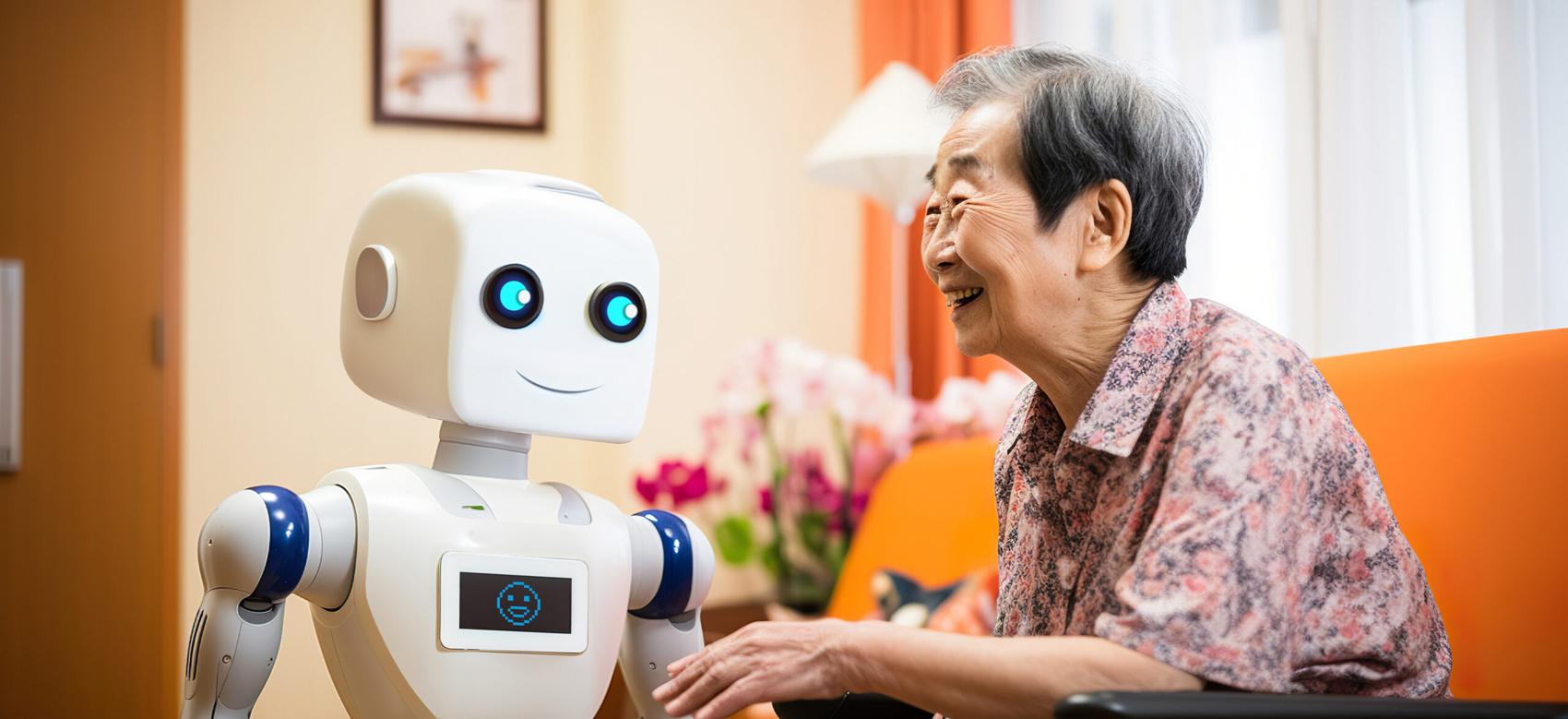
AI-powered companions, like robotic pets or virtual assistants, can provide conversation and emotional support. These companions offer stimulation and companionship for those who are lonely or isolated, though they cannot replace human interaction. Relying too heavily on virtual connections has potential downsides.
VR technology is evolving. Current VR headsets can be cumbersome and disorienting, but
Caregiver Relief: AI's Supporting Role
The role of a caregiver is incredibly demanding, both emotionally and physically. AI can provide much-needed relief by automating some of the more time-consuming and stressful tasks. Remote monitoring systems allow caregivers to check in on their loved ones without being physically present. Automated reporting of changes in condition can provide early warnings of potential health problems.
AI-powered tools can also assist with administrative tasks, such as scheduling appointments, managing medications, and tracking expenses. This frees up caregivers to focus on providing direct care and emotional support. The GUIDE model, as implemented by CMS, also emphasizes the importance of supporting caregivers, and AI can be a valuable tool in achieving this goal.
It’s essential that these AI tools are integrated into a broader care plan, developed in consultation with healthcare professionals. AI should be seen as a partner to caregivers, not a replacement for their expertise and compassion. The goal is to create a sustainable care system that supports both the person with dementia and their caregivers.
- Remote Monitoring: Allows caregivers to check in remotely.
- Automated Reporting: Provides alerts for changes in condition.
- Task Automation: Assists with scheduling and medication management.
Looking Ahead: Challenges & Integration
Despite the immense potential of AI-assisted dementia care, significant challenges remain. Cost is a major barrier to access, as many of these technologies are still expensive. Accessibility is also a concern, as not everyone has access to reliable internet connectivity or the technical skills needed to operate these systems. Data privacy is paramount, and robust security measures are essential to protect sensitive personal information.
Ongoing training and support are crucial, both for caregivers and for the individuals with dementia who are using these technologies. It’s not enough to simply install the devices; people need to understand how to use them effectively and how to troubleshoot any problems that may arise. I think interoperability between different devices and platforms will be a major hurdle – ensuring that systems from different manufacturers can communicate with each other seamlessly.
Ultimately, the success of AI-assisted dementia care will depend on a human-centered approach. We must prioritize the individual’s needs and preferences, ensuring that technology is used to enhance their quality of life, not to control or restrict them. It’s about finding the right balance between innovation and compassion, and creating a future where technology empowers people with dementia to live full and meaningful lives.

No comments yet. Be the first to share your thoughts!