A Glimpse into 2026: AI's Role
Imagine a Tuesday morning in 2026. Margaret, living with Alzheimer’s, wakes up and a gentle voice reminds her to take her medication, not through a jarring alarm, but a familiar tune. Her smart home, subtly monitoring her movements, has already alerted her daughter, Sarah, that she slept well and her gait seems steady. This isn’t a futuristic fantasy; it’s a growing reality, powered by advances in artificial intelligence. It’s a shift from reactive care to proactive support.
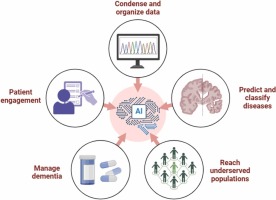
AI isn’t about replacing human connection, but about augmenting it. In 2026, we're seeing AI tools making a real difference in four core areas: continuous health monitoring, improved communication, enhanced safety within the home, and personalized cognitive support. These technologies are designed to help people with dementia maintain independence and quality of life for longer, while easing the burden on family caregivers.
Of course, anxieties around AI are valid. Concerns about data privacy, the "black box" nature of some algorithms, and the potential for over-reliance on technology are frequently raised. The successful integration of AI into dementia care relies on addressing these concerns head-on, prioritizing transparency, and ensuring that technology always serves the individual, not the other way around. We need to remember that these are tools, and human oversight is paramount.
The advancements aren’t about robots taking over, but about intelligent systems working in the background to provide subtle, personalized assistance. It's about using data to understand individual patterns and needs, allowing for more targeted and effective care. I believe this represents a significant step forward, but it requires careful planning and a commitment to ethical implementation.
Smart Homes for Safety and Independence
The smart home is quickly becoming a central hub for AI-assisted dementia care. It’s moved beyond simple voice assistants like Amazon’s Alexa or Google Home – though those remain useful – to encompass a network of sensors and devices working together to create a safer and more supportive environment. We're seeing increasingly sophisticated fall detection systems, for example, that don't just react to a fall, but analyze gait and balance to predict risk.
These systems often combine data from multiple sources: floor sensors, wearable devices, and even cameras (with privacy safeguards, of course). Fall detection isn’t limited to simply triggering an alert; some systems can automatically call for help or even gently guide the individual to a safe position. Automated medication reminders are also becoming more sophisticated, now incorporating image recognition to verify that medication has actually been taken.
Beyond falls and medication, smart kitchens are gaining traction. Stovetop sensors automatically shut off burners if left unattended, and smart refrigerators can alert caregivers if food is spoiling or if unusual eating patterns are detected. These features aren’t just about preventing accidents; they’re about preserving independence. A person can continue to cook, a cherished activity, with a reduced risk of harm.
Integrating these systems isn’t always seamless, and data privacy is a major concern. Many companies, like Lively (formerly GreatCall) and Alarm.com, are now emphasizing end-to-end encryption and user control over data sharing. The goal is to reduce caregiver burden by providing peace of mind and allowing them to focus on quality time with their loved ones, rather than constant worry.
AI-Driven Communication Aids
Communication breakdown is a heartbreaking aspect of dementia. AI is emerging as a powerful tool to bridge these gaps, helping individuals express themselves and stay connected with loved ones. Speech recognition software, specifically trained on the speech patterns of people with aphasia or dysarthria, is improving rapidly. These programs aren't perfect, but they’re becoming increasingly accurate at interpreting fragmented or slurred speech.
For multilingual families, AI-powered translation tools are invaluable. They can facilitate conversations between individuals with dementia who may be reverting to their native language and caregivers who don’t speak it fluently. Beyond direct translation, AI can also generate personalized prompts and conversation starters, tailored to the individual’s interests and memories. This can be incredibly helpful in stimulating engagement and reducing social isolation.
Perhaps even more exciting is the development of AI systems that can interpret non-verbal cues. These systems analyze facial expressions, tone of voice, and body language to better understand the person’s emotional state, even when they struggle to articulate their feelings. This allows caregivers to respond with greater empathy and understanding.
I've been particularly intrigued by research exploring the use of AI in reminiscence therapy. AI can curate personalized collections of photos, music, and videos, triggering memories and sparking meaningful conversations. While it doesn’t replace the human element of therapy, it can be a powerful complement.
Cognitive Support: Personalized AI Companions
The idea of an "AI companion" for someone with dementia might sound unsettling, but these aren't intended to replace human interaction. Instead, they’re designed to provide personalized cognitive stimulation and support. Companies like ElliQ, while not specifically aimed at dementia, demonstrate the potential of these technologies, offering companionship and prompting engagement.
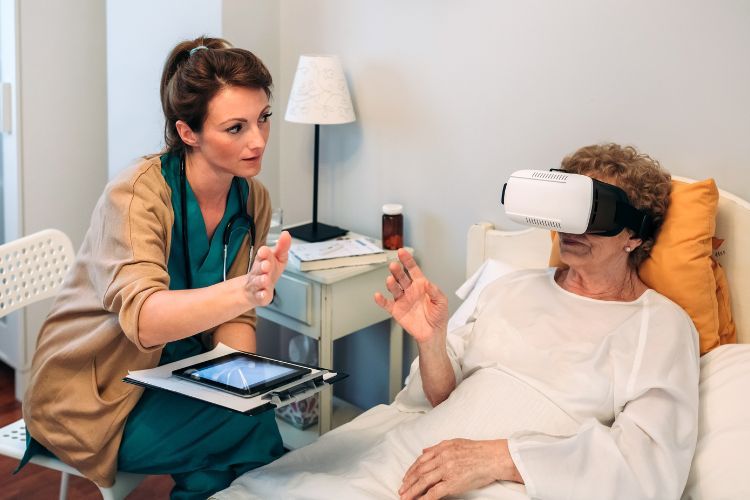
We’re seeing a rise in AI-powered games and puzzles tailored to individual cognitive abilities. These games adapt to the person’s performance, providing a level of challenge that is stimulating but not frustrating. Virtual reality (VR) experiences are also showing promise, allowing individuals to revisit familiar places and engage in activities they once enjoyed, even if they can no longer do so in the real world.
AI tutors can offer personalized learning programs, focusing on areas such as memory training, language skills, or problem-solving. These programs can be customized to the individual’s interests and preferences, making learning more engaging and effective. However, it’s crucial to remember that these are aids, not replacements for human connection and social interaction.
The ethical considerations are significant. We need to be careful about creating a false sense of connection or relying too heavily on AI to provide emotional support. The goal is to enhance quality of life, not to isolate individuals or diminish their sense of self. Maintaining human dignity is paramount.
AI-Powered Cognitive Tools
- CogniFit Brain Fitness - This platform offers a personalized cognitive training program, adapting exercises based on individual performance. It focuses on improving memory, attention, coordination, and reasoning skills through a variety of games and assessments.
- Happy Neuron - Developed with neuroscientists, Happy Neuron provides a range of exercises designed to stimulate cognitive functions like memory, language, attention, and executive functions. The program adapts to the user’s abilities, offering personalized training.
- Lumosity - Lumosity features a suite of games targeting cognitive skills such as memory, speed, flexibility, and problem-solving. It provides a performance tracking system to monitor progress over time and offers a personalized training program.
- Dakim BrainGames - Designed specifically for older adults, Dakim BrainGames utilizes a large-button remote control for ease of use and offers a variety of games focused on memory, recall, and visual-spatial skills. It’s often used in assisted living facilities.
- Elevate - Elevate focuses on improving communication and analytical skills through a series of short, daily games. It targets areas like writing, reading, speaking, and math, potentially helping maintain cognitive function in these domains.
- NeuroNation - NeuroNation provides personalized brain training exercises based on scientific principles. It offers exercises for memory, concentration, reasoning, and speed, and tracks progress to motivate continued engagement.
Remote Monitoring & Predictive Analytics
Remote monitoring is becoming increasingly sophisticated, thanks to advances in wearable sensors and AI algorithms. Wearable devices, like smartwatches and activity trackers, can continuously monitor vital signs (heart rate, sleep patterns) and activity levels. This data is then analyzed by AI algorithms to identify patterns and anomalies that may indicate a health problem.
For instance, a sudden decrease in activity level, coupled with changes in sleep patterns, could be an early sign of an infection or depression. AI systems can alert caregivers to these potential problems, allowing for early intervention. Similarly, sensors can detect wandering behavior and automatically notify caregivers if the individual leaves a designated safe zone.
Predictive analytics is the next frontier. AI algorithms are being developed to predict potential health crises, such as falls or hospitalizations, based on historical data and real-time monitoring. However, I’m cautious about overstating the accuracy of these predictions. The data is complex, and algorithms are not foolproof.
Responsible data collection and use are critical. Individuals and their caregivers must have control over their data and be fully informed about how it is being used. Transparency and data security are essential to building trust and ensuring ethical implementation.
Remote Monitoring Systems for Dementia Care: A Comparative Overview (2026)
| System Name | Key Features | Cost Consideration | Data Privacy Approach |
|---|---|---|---|
| Aura Home Monitoring | Fall detection utilizing ambient sensors, activity pattern learning, voice-activated emergency calls. | Potentially higher upfront investment due to sensor network. | Emphasizes on-device data processing; data encryption in transit and at rest. Requires explicit consent for data sharing. |
| CarePredict Tempo | Wearable sensor focusing on subtle behavioral changes, fall detection, and activity tracking. Integrates with caregiver app. | Subscription-based model; ongoing costs associated with service and sensor maintenance. | Data anonymization and aggregation for research purposes with option for individual data control. |
| LivAware In-Home System | Combines wearable technology with smart home sensors for comprehensive monitoring, including medication adherence and location tracking. | Moderate cost; potential for bundled service packages with professional monitoring. | Focuses on HIPAA compliance; data access limited to authorized caregivers and healthcare professionals. |
| Vayusek Fall Detection | Primarily focused on fall detection via wearable device; simple interface for caregivers. | Lower cost compared to comprehensive systems; limited feature set. | Data stored securely; privacy policy details data retention and usage practices. |
| AloeCare | Voice-activated help system with fall detection, medication reminders, and two-way communication. Integrates with emergency services. | Competitive pricing; potential for discounts with long-term contracts. | Data security protocols in place; transparent data usage policies. |
| GrandCare | Hub-based system with various sensors for monitoring activity, medication, and health metrics. Offers family communication features. | Moderate to higher cost depending on sensor package selected. | Prioritizes data security and privacy; detailed privacy policy available. |
Qualitative comparison based on the article research brief. Confirm current product details in the official docs before making implementation choices.
Navigating the Ethical Landscape
The integration of AI into dementia care isn’t without its ethical challenges. Data privacy is a major concern. These systems collect a wealth of personal information, and it’s essential to protect that information from unauthorized access and misuse. Strong data security measures and clear privacy policies are non-negotiable.
Algorithmic bias is another potential issue. AI algorithms are trained on data, and if that data is biased, the algorithm will perpetuate those biases. This could lead to unequal or unfair treatment for certain individuals. We need to ensure that AI systems are developed and tested on diverse populations to mitigate this risk.
The potential for social isolation is also a concern. Over-reliance on AI could lead to reduced human interaction and a sense of loneliness. It’s crucial to strike a balance between technology and human connection. AI should be used to supplement, not replace, human care.
Ultimately, the goal is to maintain human dignity. AI should be used to empower individuals with dementia, not to control them. We need clear regulations and guidelines to ensure that AI is developed and deployed responsibly, prioritizing the well-being and autonomy of those it serves.
What is your biggest concern about the use of AI in dementia care?
As AI tools become more common in dementia care settings, we want to hear from caregivers and families. What matters most to you when considering AI-assisted care for your loved one? Vote below and share your thoughts in the comments.
Looking Ahead: Promising Developments
The future of AI in dementia care is bright, with several promising developments on the horizon. Research into AI-powered drug discovery is accelerating, potentially leading to new treatments and therapies. AI is being used to analyze vast amounts of genomic and clinical data to identify potential drug targets and predict treatment response.
Personalized treatment plans, tailored to the individual’s genetic makeup and cognitive profile, are also becoming a reality. AI can analyze data to identify the most effective interventions for each person, maximizing their chances of success. Early detection of dementia biomarkers, using AI to analyze brain scans and other biological data, could allow for earlier diagnosis and intervention.
Researchers are exploring the use of AI to predict the progression of dementia, allowing caregivers to plan for the future and provide appropriate support. And advancements in natural language processing are leading to more natural and intuitive communication interfaces for individuals with cognitive impairment.
It’s important to temper expectations. These are still early days, and many of these technologies are still under development. But the potential is enormous. Ongoing research and collaboration between researchers, clinicians, and caregivers will be essential to realizing that potential and transforming the lives of people living with dementia.

No comments yet. Be the first to share your thoughts!