
7 Navigating the 7 Stages of Lewy Body Dementia: Managing Dementia with Care
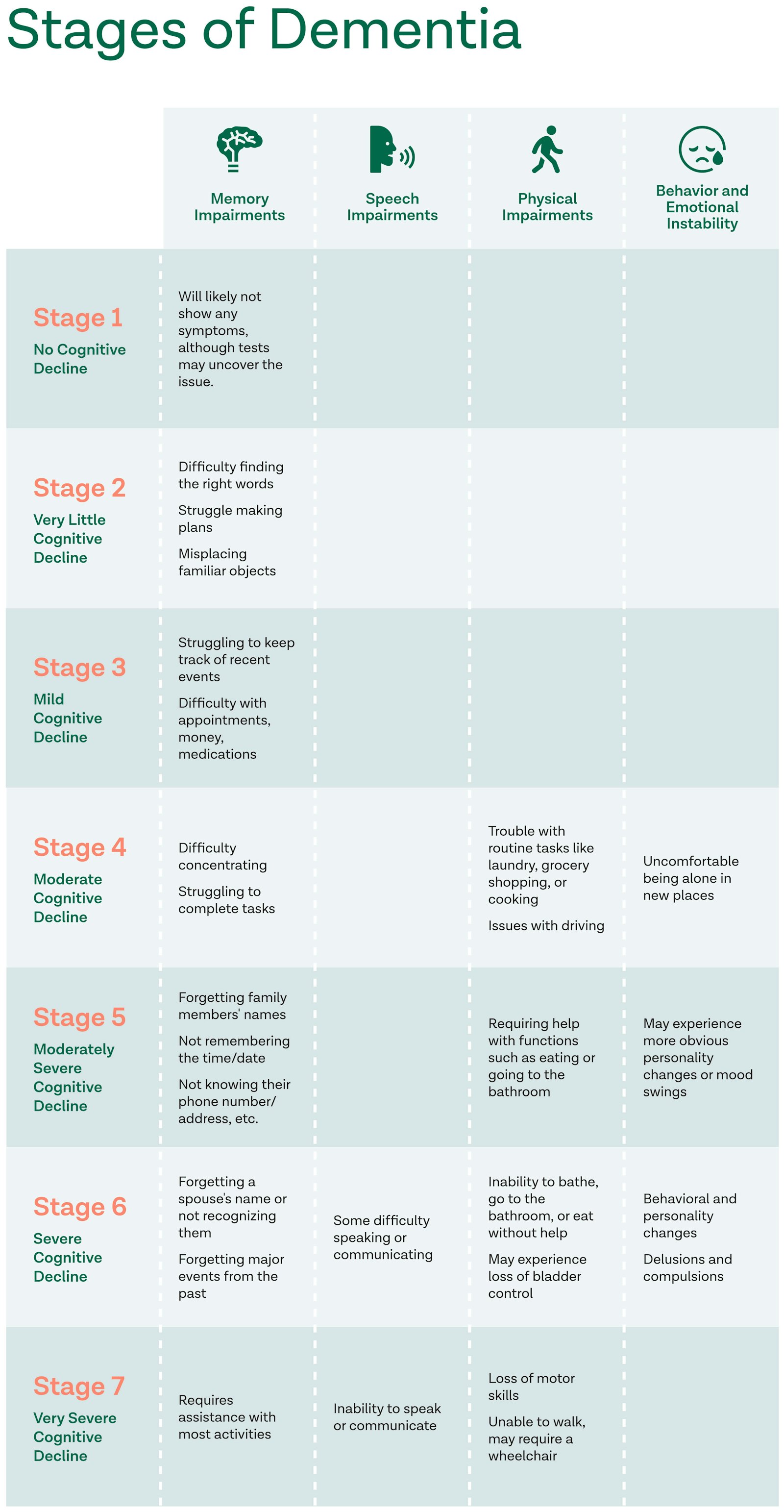
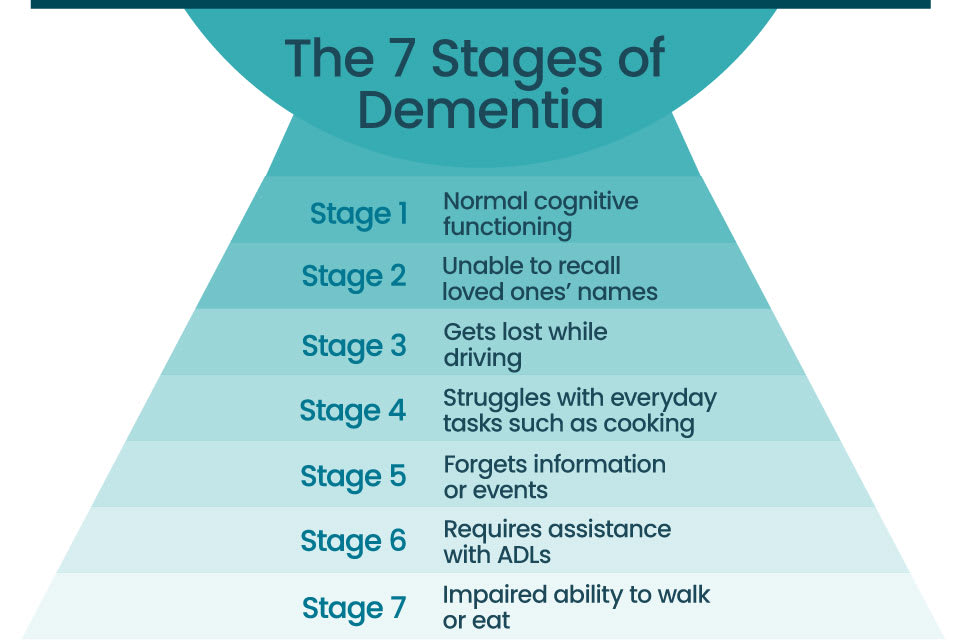
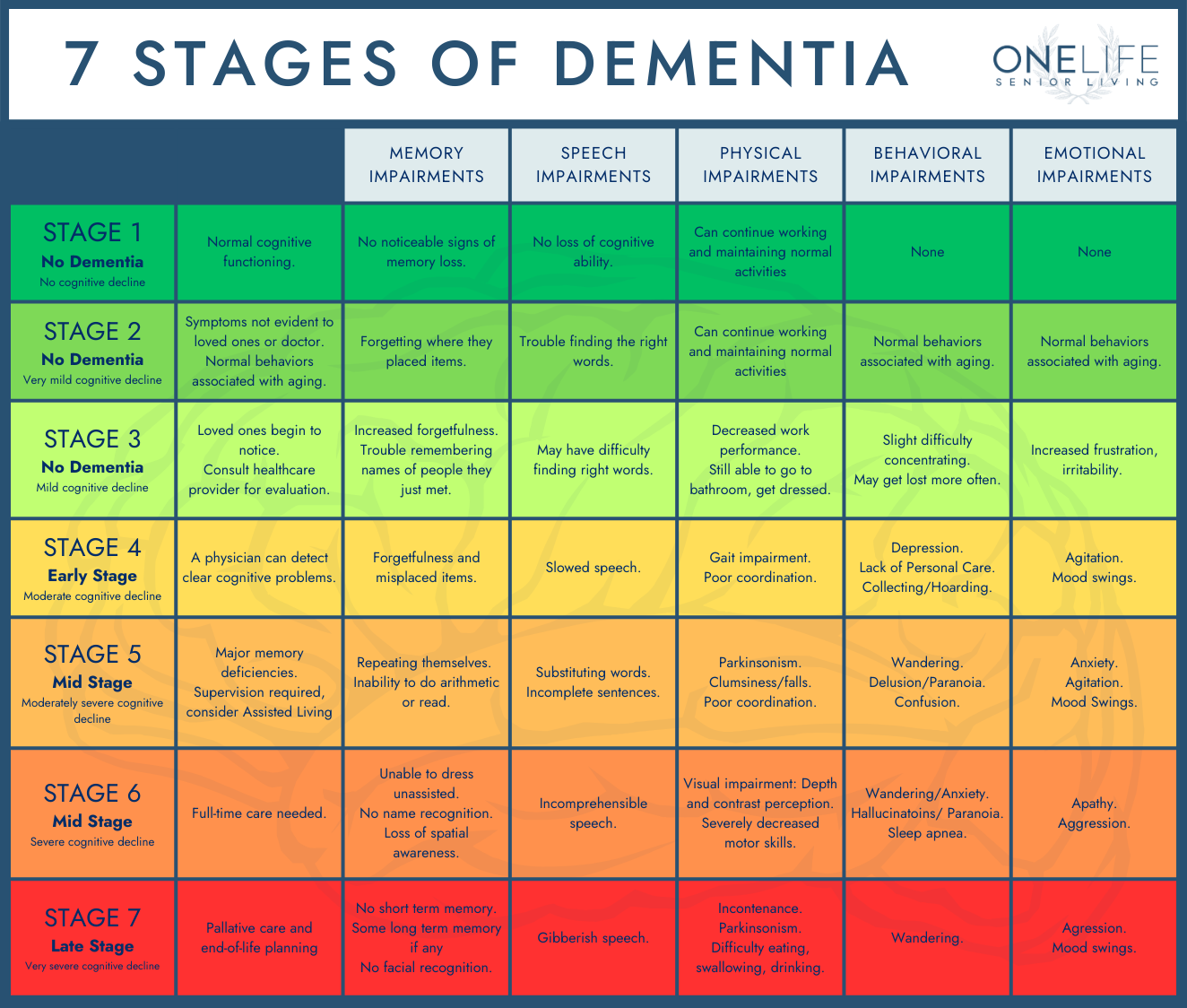
Lewy body dementia progresses through seven distinct stages, each requiring specific adjustments to your caregiving approach. This guide outlines the sequence of changes you can expect, helping you prepare for the unique challenges at every step.
-

Stage 1: Mild cognitive changes
Early signs often mimic normal aging, making detection tricky. Caregivers may notice slight memory lapses or trouble with complex tasks like managing finances. These subtle shifts require gentle observation rather than immediate alarm. Tracking these minor changes helps establish a baseline for future comparison. Early diagnosis allows families to plan ahead, ensuring support systems are in place before symptoms worsen significantly for both patient and caregiver. -

Stage 2: Visual hallucinations emerge
Distinctive visual hallucinations often appear early in Lewy Body Dementia, unlike other dementias. Patients might see people or animals that aren't there, which can be frightening. Caregivers should respond calmly, avoiding arguments about reality, which only increase distress. Validating the person's feelings without reinforcing the false perception helps maintain trust. This stage requires patience and a safe environment to prevent anxiety-driven behaviors. -
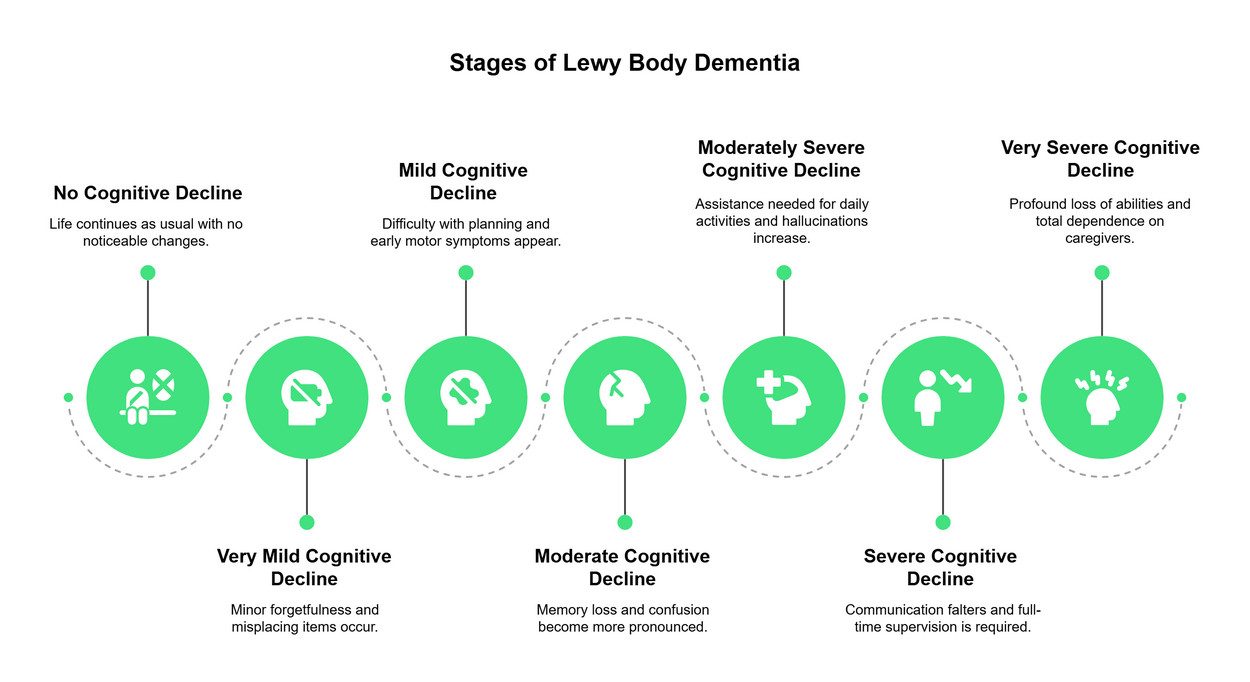
Stage 3: Movement and stiffness issues
Parkinsonian symptoms like tremors, rigidity, and slow movement become more apparent. These physical changes increase fall risk and make daily activities challenging. Physical therapy can help maintain mobility and strength for as long as possible. Caregivers should assist with dressing and walking, ensuring footwear is secure. Recognizing these motor symptoms early allows for home modifications that promote safety and independence during routine tasks. -
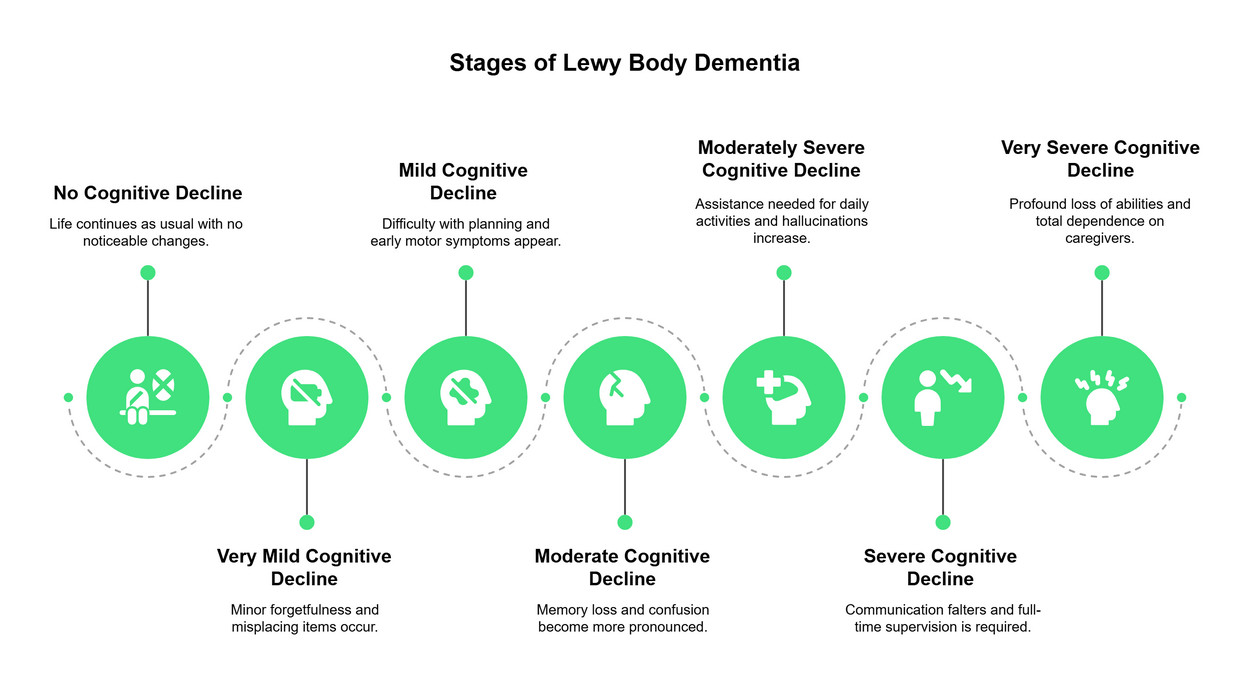
Stage 4: Increased confusion and sundowning
Confusion intensifies, often worsening in the late afternoon or evening, known as sundowning. This circadian disruption causes agitation, wandering, and increased anxiety. Establishing a consistent daily routine with calming evening activities can mitigate these effects. Reducing noise and clutter in the home environment helps lower stimulation. Caregivers should monitor sleep patterns closely, as disrupted rest exacerbates daytime confusion and behavioral challenges for everyone involved. -
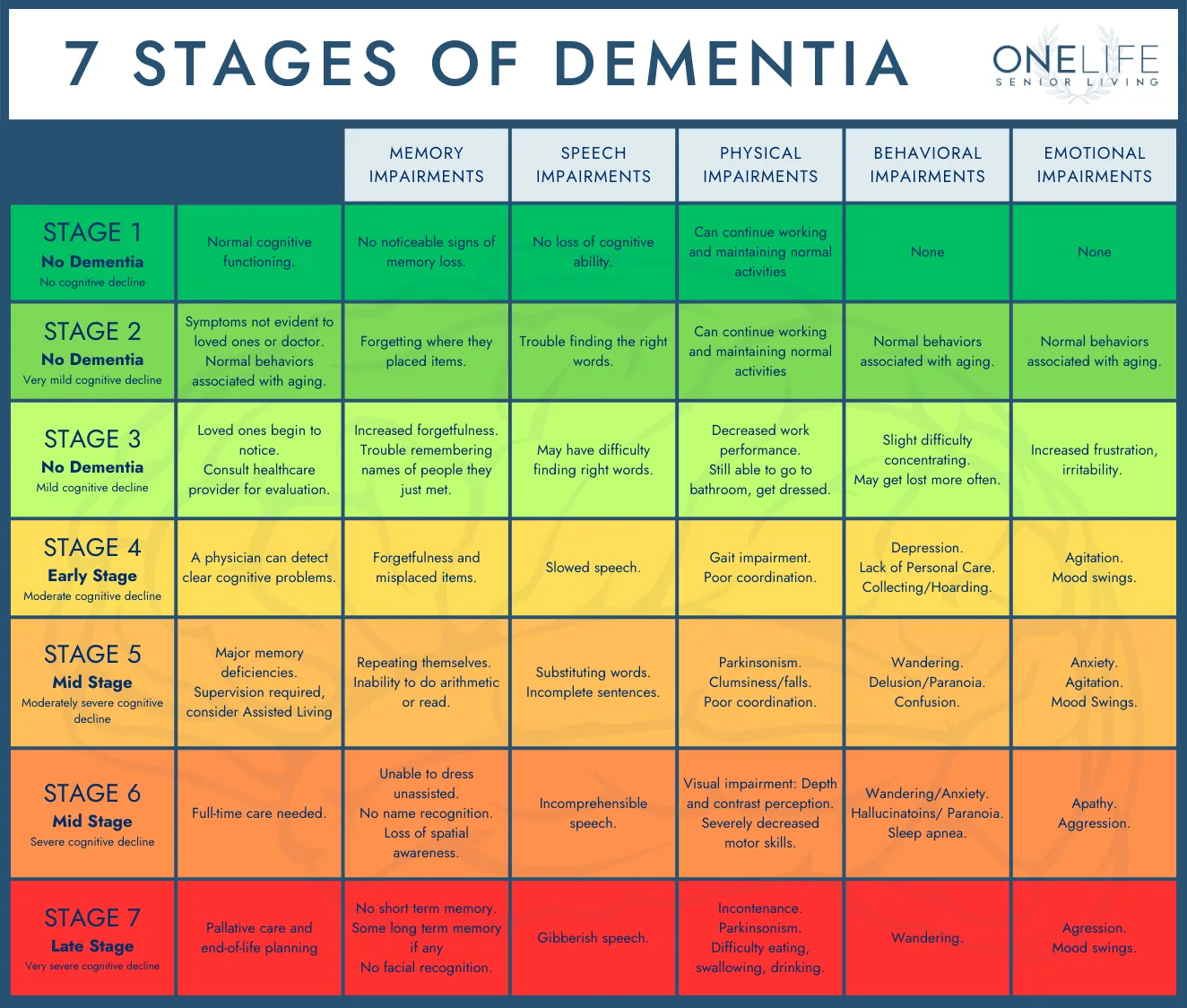
Stage 5: Severe cognitive decline
In this stage, individuals require extensive assistance with daily living tasks. Speech may become limited to simple phrases or words. Memory loss is profound, yet emotional connections often remain intact. Caregivers focus on comfort, hygiene, and nutritional support. Non-verbal communication becomes essential, using touch and tone to convey care. Professional support may be needed to manage complex medical needs and ensure the patient's dignity and comfort are prioritized throughout this difficult phase. -

Stage 6: Physical dependence increases
Patients now require total assistance with daily activities, including dressing, bathing, and eating. Muscle rigidity and tremors worsen, making mobility dangerous without support. Sleep disturbances often intensify, leading to severe fatigue. Caregivers must manage incontinence and prevent falls by removing household hazards. This stage demands round-the-clock supervision to ensure safety and maintain basic hygiene standards. -
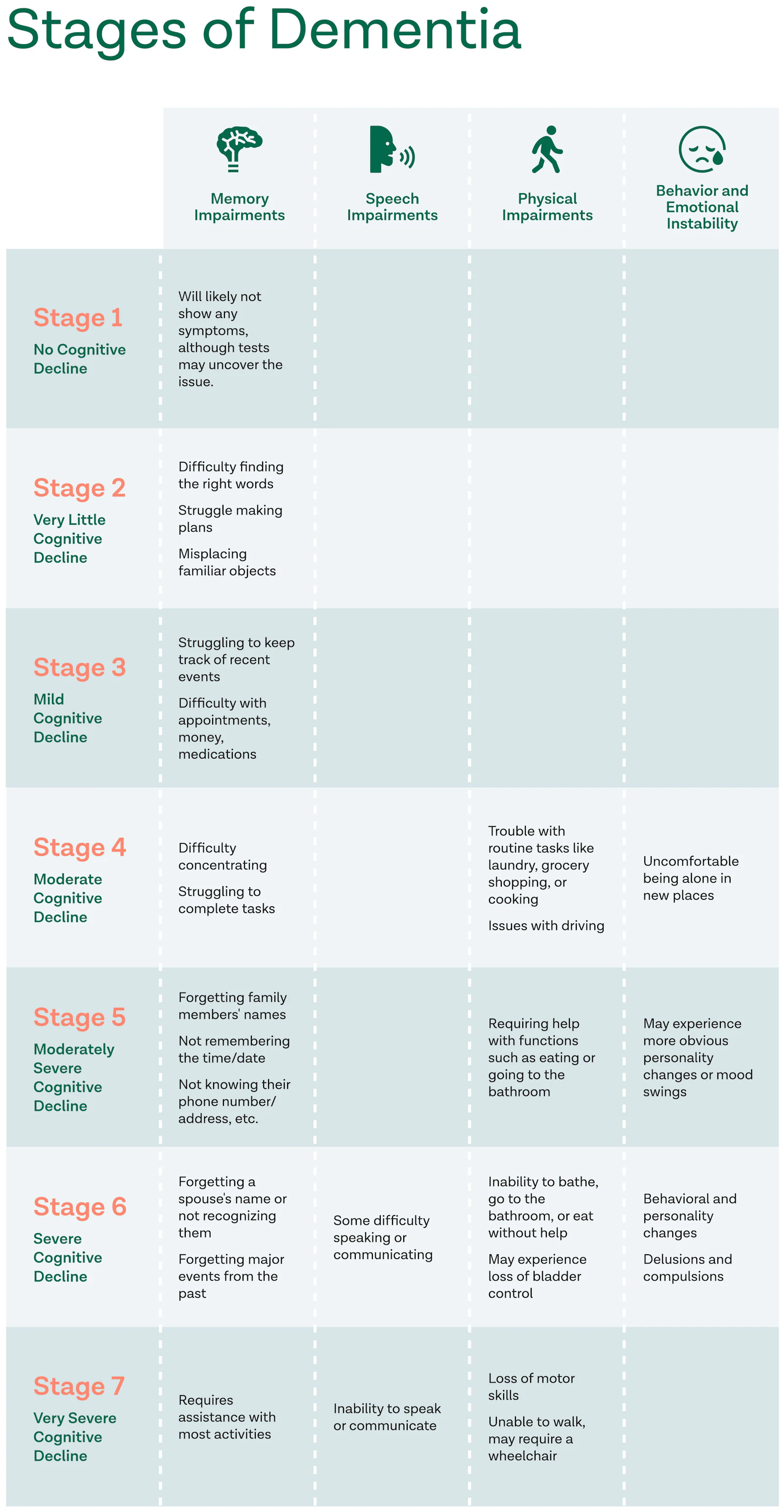
Stage 7: End-stage care needs
In the final stage, individuals lose verbal communication and the ability to walk independently. Swallowing difficulties (dysphagia) become common, requiring modified diets or feeding tubes to prevent aspiration pneumonia. Immune systems weaken, making infections like pneumonia or sepsis life-threatening. Care focuses entirely on comfort, pain management, and dignity. Hospice support often becomes necessary to provide compassionate end-of-life care for both the patient and family.
Recognizing early Lewy Body signs
Lewy body dementia (LBD) often begins with subtle changes that caregivers mistake for normal aging or stress. Unlike Alzheimer’s disease, which primarily targets memory, LBD affects thinking, movement, and perception. These early signs can be confusing because they overlap with other conditions, making accurate identification essential for proper care.
One of the most distinct early symptoms is visual hallucinations. People with LBD may see people, animals, or objects that aren’t there. These visions are usually detailed and recurring. While memory loss occurs in Alzheimer’s, hallucinations are a hallmark of LBD and often appear early in the disease process. A Mayo Clinic overview explains how these perceptual changes differ from typical age-related cognitive decline.
Fluctuating cognition is another key indicator. A person might be alert and conversational one hour, then confused and lethargic the next. This variability can make daily planning difficult for families. Sleep disturbances, particularly acting out dreams (REM sleep behavior disorder), often precede cognitive symptoms by years. Recognizing these patterns helps caregivers distinguish LBD from other forms of dementia.
Parkinsonian motor symptoms, such as stiffness, slowness, or shuffling walks, may also appear early. If memory issues are accompanied by movement problems, LBD is a strong possibility. Early recognition allows for better management of symptoms and supports a higher quality of life for both the patient and their family.
Stage 7: End-of-life care priorities
Stage 7 marks the final phase of Lewy body dementia, where the person becomes fully dependent on others for all care. The focus shifts from disease management to comfort, dignity, and peace. This stage requires a gentle, attentive approach to ensure the individual remains free from pain and distress.
Managing physical comfort
Pain and agitation are common in this stage, often because the person can no longer verbalize their needs. Work closely with healthcare providers to adjust medications for pain, breathing difficulties, or restlessness. Regularly check for sources of discomfort, such as pressure sores, constipation, or urinary retention, and address them promptly. Non-pharmacological comforts like soft music, gentle touch, and a calm environment can also soothe anxiety.
Supporting the family
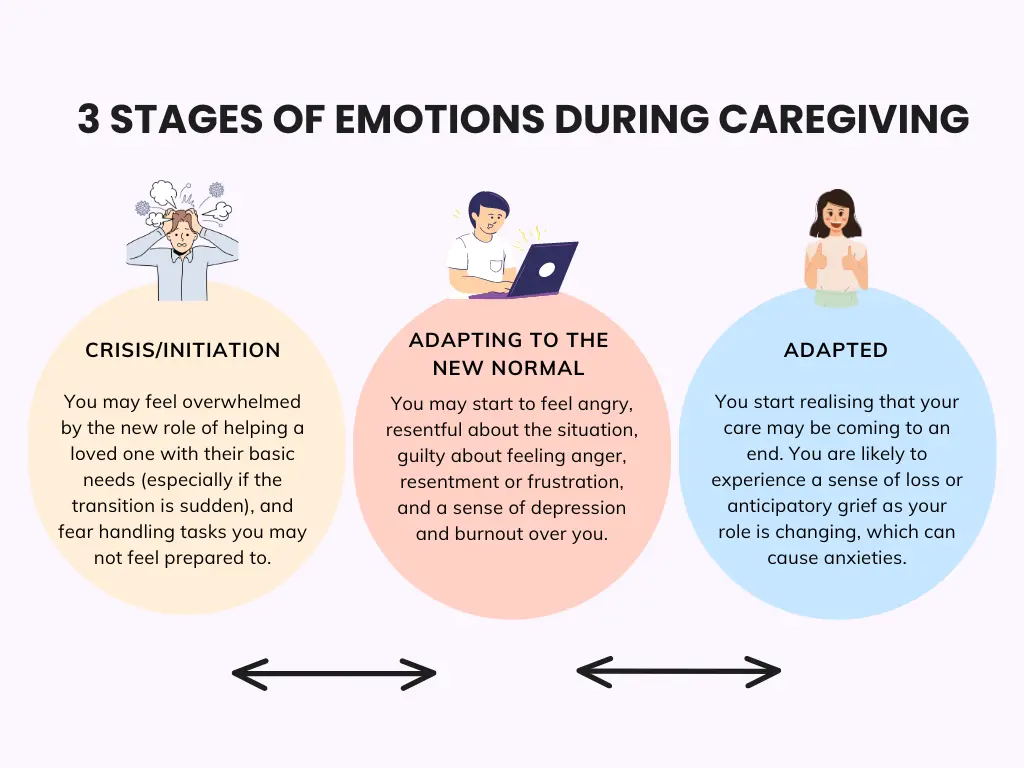
Caring for a loved one in this final stage is emotionally taxing. It is normal to feel grief, exhaustion, and uncertainty. Seek support from hospice teams, who provide nursing care, counseling, and respite services to help the family cope. Connecting with other caregivers through support groups can also reduce isolation. Remember that your presence and love are the most powerful tools you have.
Preparing for a peaceful transition
Advance care planning becomes essential now. Ensure that the person’s wishes regarding life-sustaining treatments, such as feeding tubes or hospital transfers, are clearly documented and respected. Hospice care can help create a plan that honors these preferences, allowing the person to pass away in a familiar, comfortable setting surrounded by loved ones.
For more detailed guidance on end-of-life planning and caregiver resources, consider reaching out to the Alzheimer's Association or the Mayo Clinic.
Daily management checklist for caregivers
Caring for someone with Lewy body dementia requires a structured approach to reduce stress and ensure safety. A consistent daily routine provides stability, which is especially important as symptoms fluctuate. Focus on the core tasks that keep the person healthy and secure throughout the day.
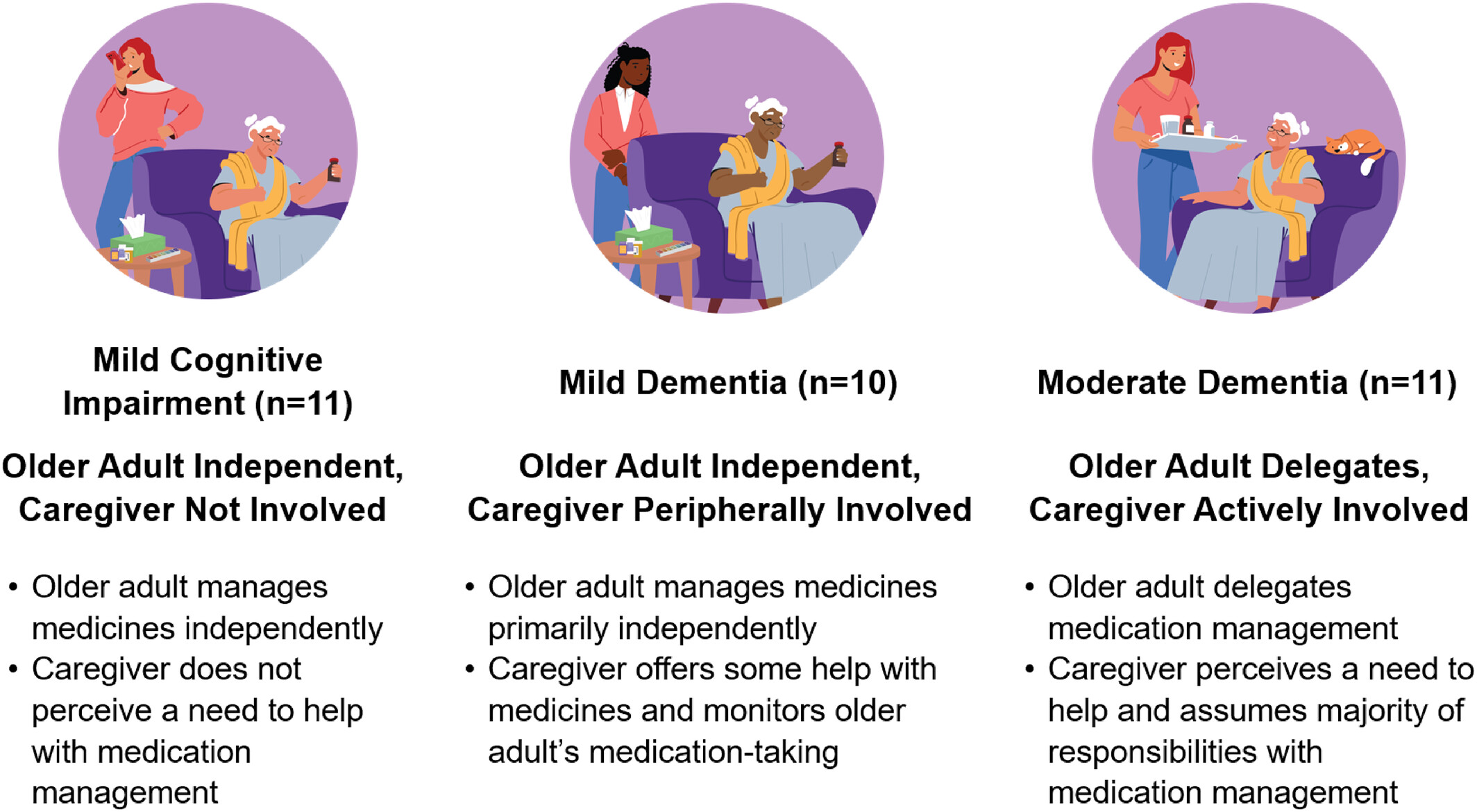
Start with morning medication management. Verify dosages and times against the doctor’s schedule, as missed or extra doses can worsen hallucinations or confusion. Follow this with hydration and nutrition checks, ensuring the person drinks enough water and eats balanced meals to maintain energy levels.
Midday should include light physical activity and social interaction. Short walks or simple games can help manage agitation and improve mood. As evening approaches, begin preparing the environment for sleep. Dim lights, reduce noise, and remove tripping hazards to prevent falls, which are a common risk in Lewy body dementia.
End the day with a calming bedtime routine. This might include reading, listening to music, or gentle stretching. Consistency helps signal to the brain that it is time to rest. For more detailed caregiver tips, the Alzheimer's Association offers valuable resources on support and safety.
Verify all medications are taken at the correct time. Use a pill organizer to prevent errors and note any side effects immediately.
Offer water and nutritious meals regularly. Dehydration can quickly worsen confusion, so keep fluids accessible and encourage sips throughout the day.
Engage in light exercise or familiar hobbies. Walking, folding laundry, or listening to favorite music can reduce agitation and improve mood.
Remove clutter and secure rugs to prevent falls. Dim bright lights and create a quiet environment to help signal that it is time to wind down.
Establish a consistent sleep schedule. Gentle activities like reading or soft music help the person relax and prepare for rest.
Common questions about LBD care
Caregiving for Lewy body dementia (LBD) presents unique challenges because symptoms fluctuate and overlap with other conditions. Understanding how to manage these specific issues can reduce stress for both the patient and the caregiver.
How do I handle hallucinations in LBD?
Hallucinations are common in LBD and often involve seeing people or animals that aren't there. Rather than arguing with the person, validate their feelings without reinforcing the false belief. Keep the environment calm and well-lit, as shadows can trigger these episodes. If hallucinations cause distress, consult a doctor, as certain medications can worsen them. The Mayo Clinic offers detailed guidance on managing these symptoms safely.
What causes fluctuations in alertness?
People with LBD experience significant swings in attention and alertness, ranging from clear-headed moments to periods of staring or confusion. These fluctuations are a core feature of the disease, not just random mood changes. Keep a daily log to identify patterns, such as time of day or specific triggers. Consistent routines help stabilize these shifts, making it easier for the person to navigate their day.
How can I prevent falls at home?
Fall risk increases due to balance issues, medication side effects, and visual-spatial difficulties. Remove loose rugs, install grab bars in bathrooms, and ensure clear pathways. Avoid clutter that might obscure steps or thresholds. Regular physical therapy can also improve strength and stability, reducing the likelihood of injury during daily activities.

No comments yet. Be the first to share your thoughts!