
How VR affects the brain
The effectiveness of VR therapy isn’t simply about providing a pleasant distraction; it’s rooted in how the technology interacts with the brain. Alzheimer’s disease causes atrophy in various brain regions, including those responsible for memory and spatial orientation. VR experiences, by their very nature, stimulate these areas, potentially promoting neuroplasticity – the brain’s ability to form new connections.
Immersive environments trigger emotional responses and can unlock dormant memories. A VR simulation of a childhood home, for instance, might evoke strong feelings and recollections, even in individuals with significant memory loss. This isn’t just anecdotal; studies are beginning to demonstrate physiological changes associated with VR exposure, such as increased activity in the hippocampus, a brain region crucial for memory formation.
A scoping review published by PMC (pmc.ncbi.nlm.nih.gov) examined the use of virtual reality to promote wellbeing in people with dementia. The review found evidence that VR interventions can lead to improvements in mood, reduced agitation, and enhanced social interaction. However, it also highlighted the need for more rigorous research to fully understand the long-term effects.
It's important to acknowledge that we don't have a complete understanding of exactly how VR works in these cases. The brain is incredibly complex. But the observed positive effects – and the growing body of research – suggest that VR has a tangible impact on cognitive and emotional wellbeing for individuals with Alzheimer’s.
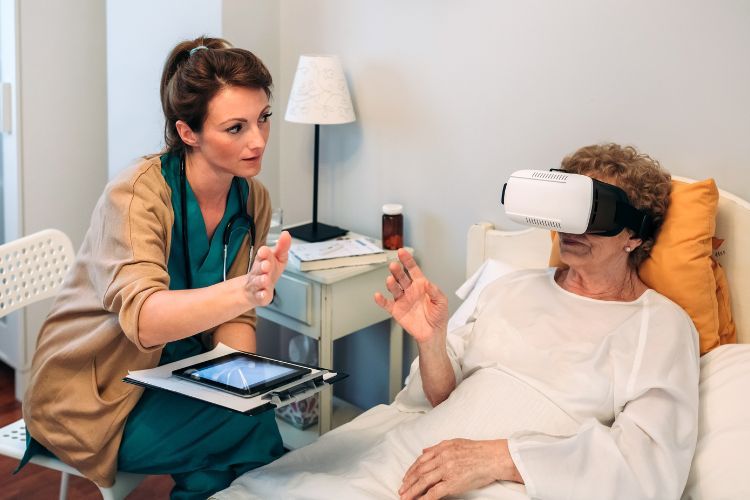
Types of VR Experiences Used in Dementia Care
VR experiences for dementia care aren’t one-size-fits-all. They are tailored to address specific needs and preferences. Currently, several distinct categories are emerging, each with its own unique benefits. These range from experiences designed to trigger positive memories to those focused on cognitive rehabilitation.
Reminiscence Therapy is arguably the most widely used application. These experiences recreate past environments – a 1950s town square, a favorite vacation spot, a childhood bedroom – to evoke positive emotions and memories. The goal is to stimulate conversation and connection with the past.
Virtual Travel allows individuals to explore new places from the comfort of their homes. This is particularly valuable for those with limited mobility or who are unable to travel physically. Imagine "visiting" the beaches of Hawaii or the canals of Venice. These experiences can provide a sense of adventure and expand horizons.
Cognitive Training Games are designed to challenge the brain and improve cognitive function. These games might involve memory exercises, problem-solving tasks, or spatial reasoning challenges. They offer a fun and engaging way to stimulate mental activity. Companies like Osso VR are developing more immersive training modules that could potentially be adapted for this purpose.
Finally, Relaxation/Mindfulness Experiences create calming and peaceful environments designed to reduce anxiety and promote relaxation. These might include virtual nature scenes, guided meditation, or soothing soundscapes. These experiences are particularly helpful for managing agitation and promoting a sense of calm.
- Reminiscence therapy uses digital versions of 1950s town squares or old vacation spots to spark conversations.
- Virtual Travel: Exploring new places without physical limitations.
- Cognitive Training Games: Engaging the brain with memory and problem-solving exercises.
- Relaxation/Mindfulness Experiences: Calming environments to reduce anxiety.
Current Research & Clinical Trials
Research into VR therapy for Alzheimer’s is still in its early stages, but the initial findings are encouraging. Studies have shown that VR interventions can lead to measurable improvements in several key areas, including reduced agitation, improved cognitive function, and enhanced quality of life. However, it’s important to note that many studies have been relatively small in scale.
For example, research presented at the Alzheimer’s Association International Conference in 2023 demonstrated that VR reminiscence therapy significantly reduced agitation in individuals with mild to moderate Alzheimer’s disease. Participants who engaged in VR sessions exhibited fewer instances of aggressive behavior and increased engagement in social activities.
The NCT04988360 trial – VRx@Home – registered on ClinicalTrials.gov, is a particularly noteworthy study. This trial is evaluating the effectiveness of VR therapy delivered in the home setting for people with dementia. The goal is to determine whether VR can improve cognitive function, reduce behavioral symptoms, and enhance quality of life for individuals living with dementia and reduce caregiver burden.
Despite the promising results, there are limitations to the current research. Many studies have small sample sizes, and long-term studies are lacking. More research is needed to determine the optimal dosage, duration, and type of VR experience for different individuals. We also need to understand the long-term effects of VR therapy.
VR Experience Providers
- Rendever - Rendever provides a platform specifically designed for senior living communities, offering shared VR experiences aimed at reducing social isolation and providing cognitive stimulation. They focus on reminiscence therapy and offer a library of content including travel destinations, historical events, and musical performances.
- MyndVR - MyndVR focuses on creating immersive VR experiences tailored for seniors, including those with dementia. Their content library includes a variety of environments and activities, with a strong emphasis on reminiscence therapy and promoting emotional wellbeing. They offer both individual and group experiences.
- Virtualis Health - Virtualis Health offers a range of VR applications for healthcare, including programs designed for cognitive rehabilitation and pain management. While not exclusively focused on dementia, their platforms can be adapted to provide stimulating and engaging experiences for individuals with cognitive impairment.
- NeuroVR - NeuroVR develops VR applications for neurological rehabilitation, with a growing focus on dementia care. Their experiences aim to improve cognitive function, spatial awareness, and emotional wellbeing through interactive and personalized programs.
- Embodied Labs - Embodied Labs creates VR experiences designed to build empathy and understanding of what it's like to live with age-related conditions, including dementia. Their 'We Are Alfred' experience allows users to experience life from the perspective of someone with dementia, fostering greater compassion and insight.
- SavvyXR - SavvyXR provides a platform for creating and delivering immersive VR experiences for seniors. They offer customizable content and tools designed to support cognitive engagement, social interaction, and emotional wellbeing, with applications for dementia care.
- XRHealth - XRHealth offers a range of virtual treatment programs for various medical conditions, including cognitive decline. They utilize VR technology to deliver therapeutic interventions and monitor patient progress, with customizable programs for individuals with dementia.
Practical Considerations for Implementation
Implementing VR therapy in dementia care requires careful planning and consideration. It’s not simply a matter of putting a headset on someone’s head. Proper setup, supervision, and safety precautions are essential. The goal is to create a positive and comfortable experience for the individual.
The equipment requirements are relatively straightforward: a VR headset (Meta Quest 3, for example, is a popular choice), a compatible computer or mobile device, and appropriate software. The cost of this equipment can vary significantly, depending on the quality and features. Software options range from free apps to subscription-based services.
Safety is paramount. It’s important to ensure that the environment is clear of obstacles and that the individual is supervised throughout the VR session. Potential side effects, such as motion sickness and disorientation, should be monitored. Start with short sessions and gradually increase the duration as tolerated. Adjusting the headset properly is also important for comfort and clarity.
Caregivers play a crucial role in facilitating VR experiences. They can help select appropriate content, provide encouragement, and monitor the individual’s response. It’s about creating a supportive and engaging environment. It’s not just about the technology – it’s about human connection and providing a sense of comfort and security. And remember, some individuals may not be comfortable with VR, and that's perfectly acceptable.
- Ensure a safe and clear environment.
- Supervise the individual throughout the session.
- Monitor for potential side effects (motion sickness, disorientation).
- Start with short sessions and gradually increase duration.
- Provide caregiver support and encouragement.
Cost and Accessibility in 2026
Currently, the cost of VR therapy can be a barrier to access. A decent VR headset can cost between $300 and $1000, and software subscriptions can add another $50 to $200 per month. Training for caregivers on how to use the technology effectively also adds to the overall cost. However, these costs are likely to decrease by 2026.
We can anticipate advancements in technology leading to more affordable headsets and software options. Increased competition in the VR market will likely drive down prices. The development of more user-friendly interfaces will also make VR therapy more accessible to a wider range of caregivers.
Telehealth and home-based VR programs have the potential to significantly expand accessibility. Individuals can receive VR therapy in the comfort of their own homes, reducing the need for travel and in-person appointments. This is particularly important for those living in rural areas or with limited mobility.
Despite these advances, potential barriers to access will remain. Cost, digital literacy, and lack of infrastructure (reliable internet access) could all limit adoption. Addressing these challenges will require a concerted effort from healthcare providers, technology companies, and policymakers.
What's next for the tech
Headsets are getting lighter and the screens are becoming sharp enough to look like real life rather than a video game. Soon, haptic gloves might let a patient 'feel' the texture of a virtual cat or a garden tool, adding a layer of touch that grounds them in the moment.
Integration of VR with other therapies is also a promising area of research. Combining VR reminiscence therapy with music therapy, for example, could amplify the emotional benefits. Similarly, integrating VR with art therapy could provide new avenues for creative expression.
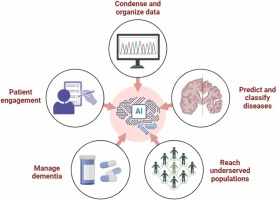
Artificial intelligence (AI) has the potential to personalize VR experiences to an unprecedented degree. AI algorithms could analyze an individual’s preferences, memories, and cognitive abilities to create customized VR simulations tailored to their specific needs. This could involve generating virtual environments based on personal photos or recreating cherished memories.
I'm not sure if fully immersive, AI-driven VR worlds are just around the corner, but the possibilities are certainly intriguing. The convergence of VR, AI, and neuroscience holds immense potential for transforming dementia care. Continued research and innovation will be crucial to realizing this potential and improving the lives of those affected by Alzheimer’s disease.

No comments yet. Be the first to share your thoughts!