A New Understanding of Childhood Dementia
Childhood dementia affects a small but significant number of families. It's a group of neurodegenerative diseases causing progressive loss of cognitive and motor skills in children. The emotional toll on families is immense, and options have long felt limited. Recent research offers hope where despair once dominated.
Childhood dementia is not simply Alzheimer's in young people. While some genetic links exist, these conditions often have different causes and progression. Diagnosing it is challenging because early symptoms can be subtle and mimic other childhood illnesses. Its rarity also means many doctors lack experience with it.
Research into age-related dementia provides a fundamental understanding of neurodegenerative processes that informs childhood dementia research. While a cure isn't imminent, the pace of discovery has accelerated, offering families more hope.
Families often face a long, difficult diagnostic journey through complex medical systems, grappling with uncertainty. Early identification, even without a cure, allows access to support services and preparation for challenges. Increased awareness and research are making a difference.
The Genetic Landscape: New Discoveries
For years, the causes of many childhood dementias were unknown. Genetic research breakthroughs are now unraveling the mysteries behind these conditions. We're moving beyond identifying a genetic component to understanding how specific genes contribute to disease development.
Mutations in genes related to lysosomal storage disorders are increasingly linked to certain childhood dementias. These disorders disrupt cellular waste processing, leading to toxic buildup in the brain. Neuronal ceroid lipofuscinoses (NCLs), a group of inherited neurodegenerative diseases, are now understood at a genetic level, with over a dozen genes known to cause various NCL forms. Knowing the mutated gene helps doctors predict the disease's likely course.
Whole-genome sequencing accelerates diagnosis. Previously, identifying the genetic cause could take years, involving multiple tests and consultations. Now, a single genome sequencing test can often pinpoint the gene, shortening the diagnostic journey for families. Identifying a genetic predisposition doesn't guarantee a child will develop dementia; it indicates an increased risk.
Knowing a genetic predisposition allows for informed family planning, including pre-implantation genetic diagnosis (PGD) or prenatal testing. It also provides a better understanding of the disease's likely progression, helping families prepare. Importantly, it opens doors to potential clinical trials targeting the specific genetic defect.
Emerging Therapies: Beyond Symptom Management
Historically, treatment for childhood dementia focused on palliative care, managing symptoms and providing comfort. While symptom management remains important, the focus is now shifting towards therapies addressing the disease's underlying causes. This is a slow process, and many potential treatments are in early development, but progress is encouraging.
Gene therapy offers a potential avenue for correcting the underlying genetic defect. For example, in certain NCL forms, researchers are exploring delivering a functional copy of the mutated gene to brain cells. Gene therapy is complex, carries risks, and is years away from widespread use. Early trials show promise in slowing disease progression.
Enzyme replacement therapy is another emerging approach for lysosomal storage disorders. It involves administering a synthetic version of the missing enzyme to help break down toxic waste buildup. Small molecule drugs are also being investigated to target specific disease pathways and prevent neuronal damage. Research on Alzheimer's causes and care provides a parallel for developing drugs for related neurodegenerative conditions.
It's important to be realistic about the timeline. Most therapies are in preclinical or early clinical trials. Researchers actively exploring these avenues represent a significant shift in the field. The goal is to improve quality of life for children with dementia and their families.
Early Diagnosis: The Critical Window
Early, accurate diagnosis is paramount in childhood dementia, though it presents unique challenges. Subtle early symptoms like developmental delays, mild cognitive impairment, or behavior changes can be dismissed or attributed to other causes. The rarity of these conditions means many healthcare professionals aren't familiar with them, leading to misdiagnosis or delays.
The diagnostic process typically involves a comprehensive neurological exam, genetic testing for mutations, and brain imaging like MRI and PET scans. MRI can reveal structural changes, while PET scans detect abnormal protein deposits. Cerebrospinal fluid analysis can also provide clues.
Earlier diagnosis can impact treatment options, even without a cure. It allows families to access supportive care, participate in clinical trials, and make informed decisions about their child's future. It also provides an opportunity to document disease progression, which can aid research. Knowing what's happening allows for better preparation.
Receiving a childhood dementia diagnosis brings understandable anxiety, uncertainty, and grief. However, a diagnosis also unlocks access to support networks, including medical specialists, support groups, and financial assistance programs. It's a step towards empowerment.
Family Support: A Holistic Approach
Childhood dementia's impact extends beyond the diagnosed child. Families bear emotional, financial, and logistical burdens. Caring for a child with dementia is a 24/7 job, often requiring a parent to leave their career. The financial strain can be significant, with medical expenses, therapies, and respite care adding up quickly.
A holistic approach to family support is essential. This includes providing respite care to give caregivers a break, counseling to help families cope with the emotional challenges, and support groups where families can connect with others facing similar experiences. Financial assistance programs can help alleviate some of the financial burden.
Sibling support is often overlooked, but it’s crucial. Siblings may experience a range of emotions – grief, anger, confusion, and guilt. They may also feel neglected or resentful as their sibling requires more and more attention. Providing siblings with opportunities to express their feelings and connect with others who understand their experience is vital.
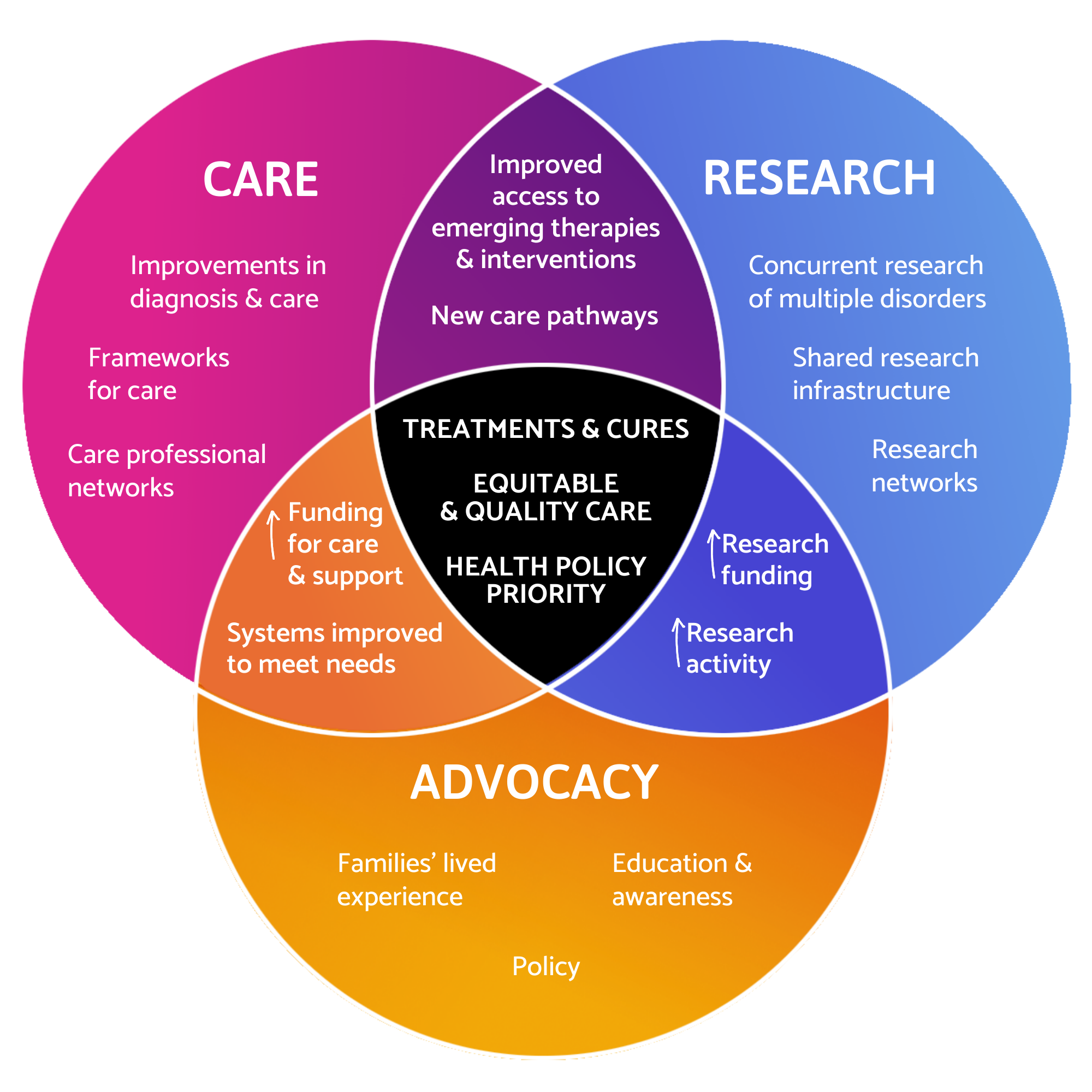
We need to advocate for better resources and policies to support families affected by childhood dementia. This includes increasing funding for research, expanding access to affordable healthcare, and providing more respite care options. It's about recognizing that families need more than just medical care; they need a comprehensive support system.
Navigating Clinical Trials: Hope and Access
Participating in a clinical trial can offer hope for families affected by childhood dementia, providing access to potentially groundbreaking treatments. However, navigating the world of clinical trials can be daunting. It’s important to understand the different phases of a trial – Phase 1 focuses on safety, Phase 2 on efficacy, and Phase 3 on larger-scale testing.
What can you expect when participating in a clinical trial? It typically involves regular medical evaluations, including blood tests, brain scans, and cognitive assessments. There are also potential risks and side effects to consider, which should be discussed thoroughly with the child’s medical team. Ethical considerations are paramount, and informed consent is essential.
Resources for finding clinical trials include ClinicalTrials.gov, a database maintained by the National Institutes of Health, and the National Organization for Rare Disorders (NORD). These websites provide information about ongoing trials, eligibility criteria, and contact information. It’s important to discuss participation with the child’s medical team to determine if a trial is appropriate.
It's vital to remember that clinical trials aren’t a guaranteed cure. But they represent a crucial step forward in the fight against childhood dementia. They offer the potential to improve treatment options and ultimately, find a cure.
The Role of Technology in Care
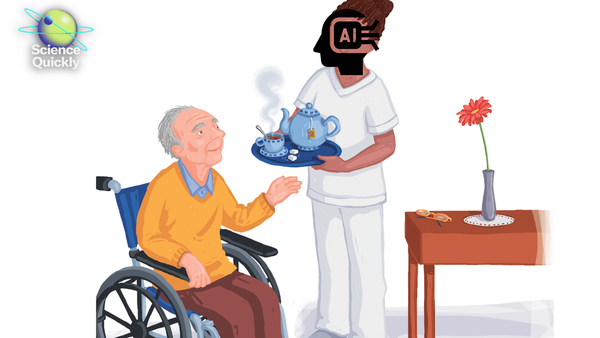
Technology is increasingly being used to improve the lives of children with dementia and their families. Assistive technologies, such as communication devices, can help children express their needs and maintain their independence. Remote monitoring systems can track vital signs and detect changes in behavior, alerting caregivers to potential problems.
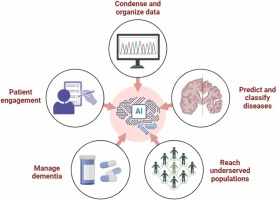
Telehealth is also playing a growing role, allowing families to connect with specialists remotely and receive ongoing support. Artificial intelligence (AI) is being explored as a tool to aid in diagnosis, by analyzing brain scans and identifying subtle patterns that might be missed by the human eye. AI could also help personalize treatment plans.
While the potential of technology is exciting, it’s important to be realistic. Not all technologies are accessible or affordable, and it’s crucial to choose tools that are appropriate for the child’s individual needs. The goal isn’t to replace human interaction, but to enhance it.
Practical technologies, like simplified tablets with pre-loaded communication apps or wearable sensors to track wandering, can make a real difference in daily life. The key is to find solutions that empower children and families, rather than adding to their burden.
Support Tools for Childhood Dementia
- Proloquo2Go - A symbol-supported augmentative and alternative communication (AAC) app, assisting children with limited verbal skills to express themselves. It offers customizable vocabulary and voice options.
- LAMP Words for Life - Another AAC app utilizing a core word approach, focusing on teaching a vocabulary of frequently used words to build expressive communication skills.
- AngelSense - A GPS tracking device and app designed for children with special needs, offering real-time location monitoring, geofencing, and two-way voice communication for increased safety.
- Smartwatches with GPS tracking - Various smartwatches (like those from Garmin or Apple with family setup) can provide location tracking and emergency SOS features, offering an alternative to dedicated devices.
- CogniFit Brain Training - A platform offering cognitive assessments and personalized brain training programs. While not specifically for dementia, some exercises may help maintain cognitive function in children with certain types of dementia.
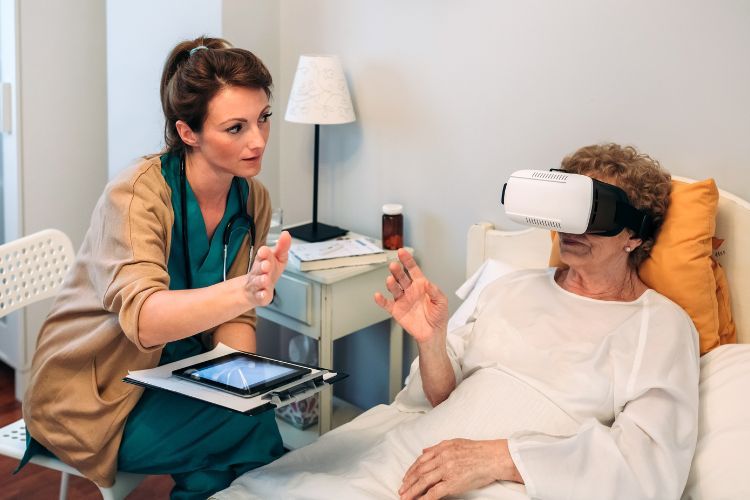
- Avonlea Virtual Reality (VR) Therapy - Offers immersive VR experiences designed to stimulate cognitive and emotional responses, potentially benefiting children with dementia by providing engaging and safe environments.
- Google Family Link - A parental control app that allows caregivers to monitor screen time, manage app downloads, and track location, contributing to a safer digital environment.
Looking Ahead: The Next Five Years
The next five years promise to be a period of significant progress in the fight against childhood dementia. We can expect to see continued breakthroughs in genetic research, leading to a better understanding of the underlying causes of these conditions. Emerging therapies, such as gene therapy and enzyme replacement therapy, will likely move closer to clinical application.
Increased awareness and improved diagnostic tools will lead to earlier and more accurate diagnoses. This will allow families to access support services and participate in clinical trials sooner. The development of new technologies will also play a role, providing innovative solutions to improve the quality of life for children with dementia and their families.
Despite these advances, challenges remain. Funding for research is still limited, and access to specialized care is uneven. But the dedication of researchers, clinicians, and advocates is unwavering. The current research landscape is more promising than ever before.
While there are no easy answers, hope remains. By continuing to invest in research, support families, and advocate for better policies, we can make a real difference in the lives of children with dementia and their families. The journey is long, but progress is being made.

No comments yet. Be the first to share your thoughts!