
7 Stages of Lewy Body Dementia and 10 Signs Death Is Near
Navigating Lewy Body Dementia requires understanding its distinct progression to provide appropriate care at every step. This guide outlines the seven stages of the disease and identifies ten subtle signs that indicate the approach of end-of-life, offering practical support for families during this difficult journey.
-
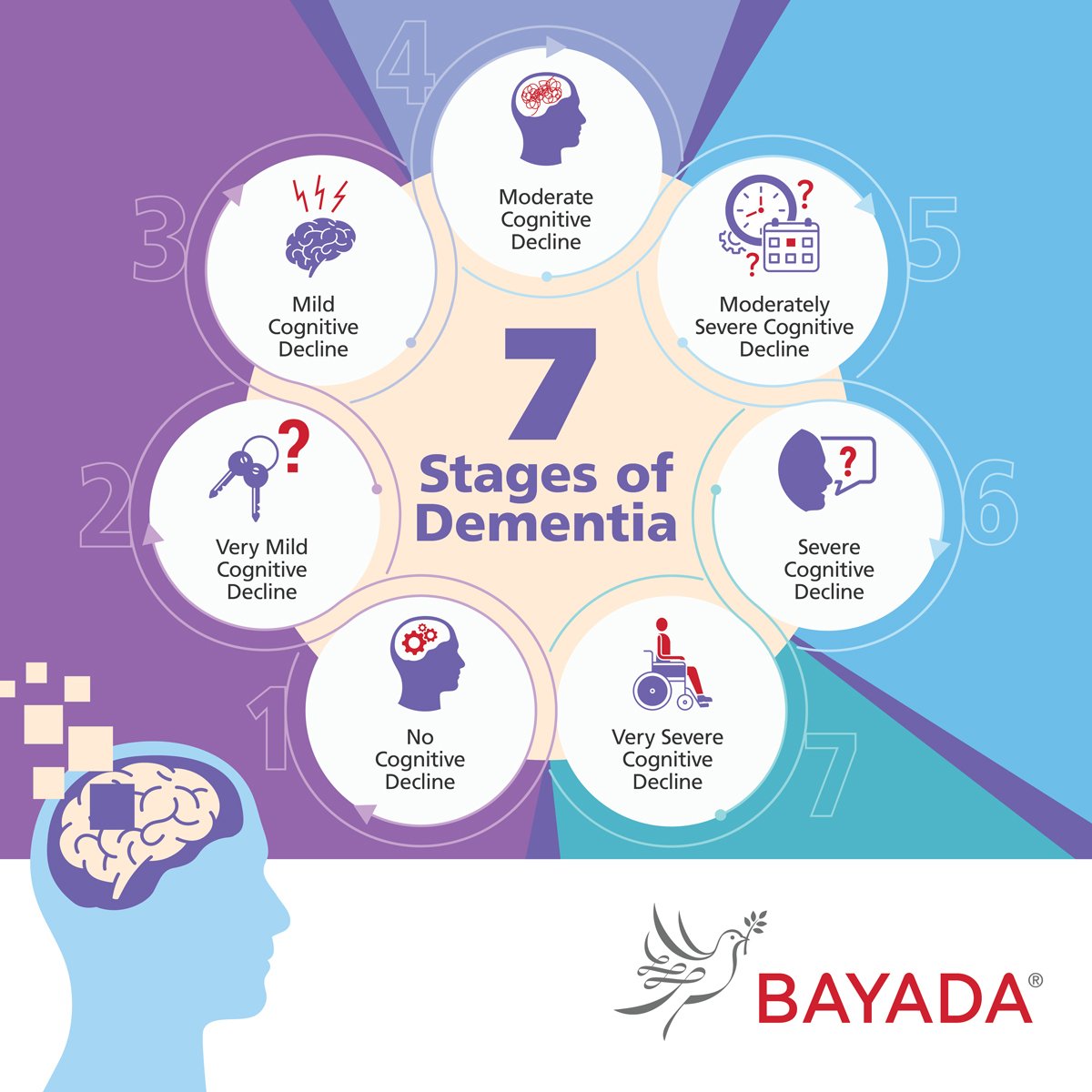
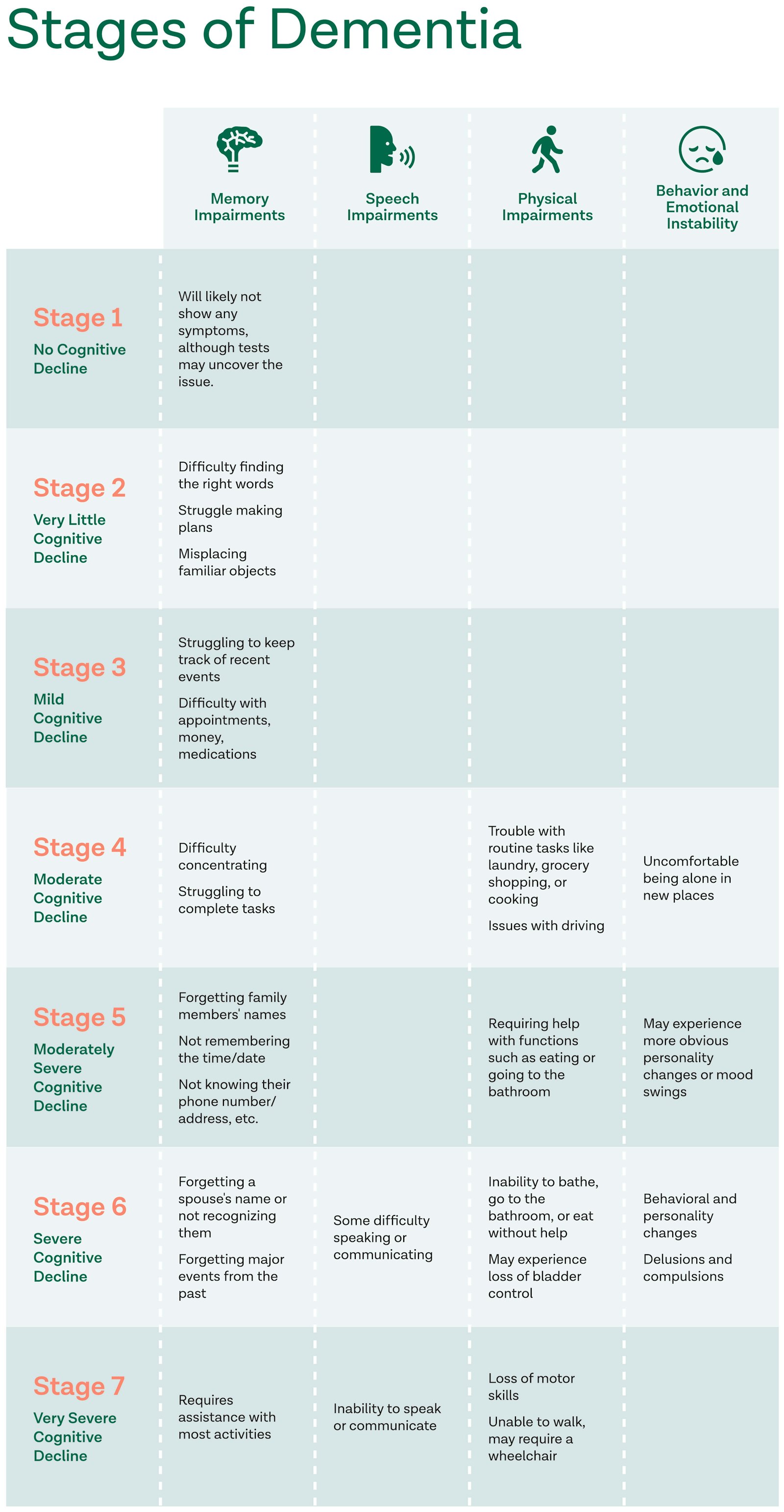
Stage 1: No cognitive decline
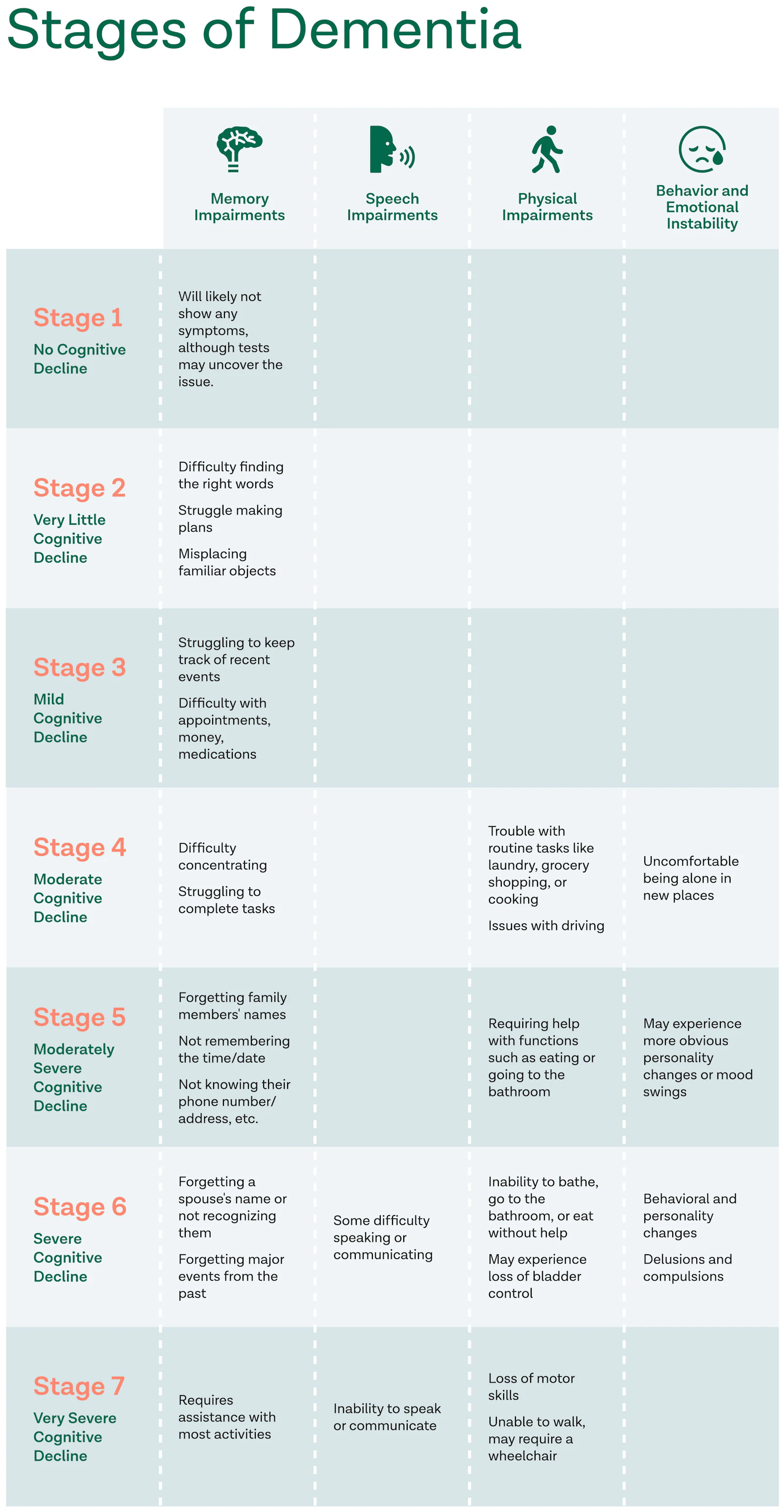
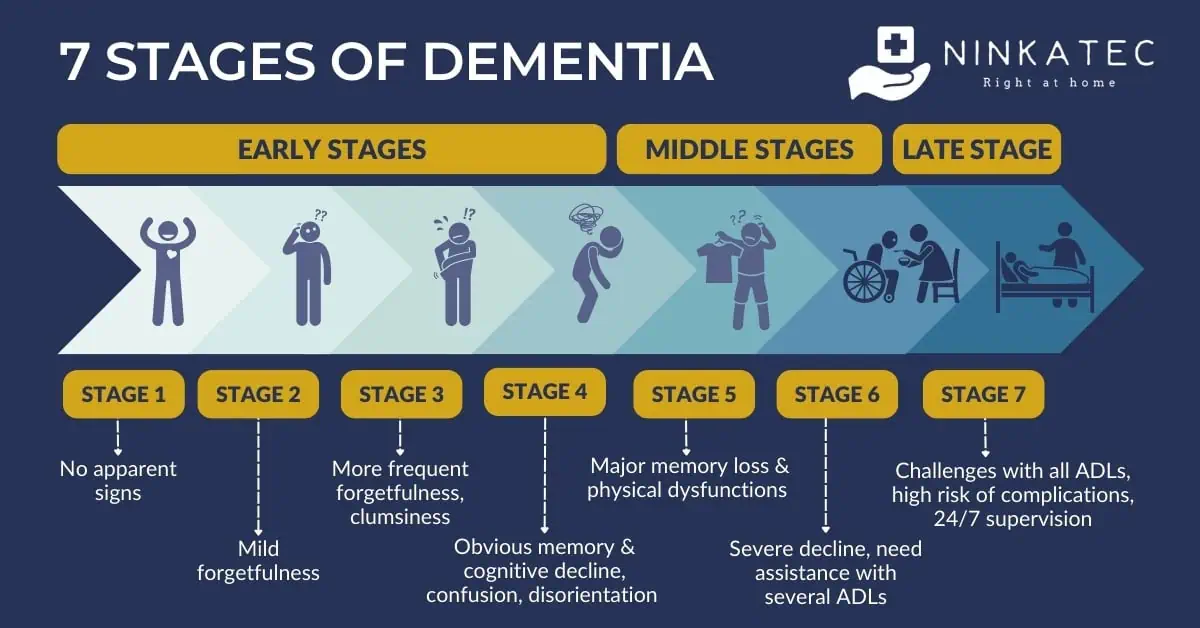
At this initial phase, individuals exhibit no noticeable memory loss or cognitive impairment. Routine daily activities remain effortless, and social interactions flow naturally without hesitation. While family members might not detect any changes, this period serves as a crucial baseline for future comparison. Regular health checkups help establish standard metrics, ensuring that any subtle shifts in mental clarity or behavior can be identified early against this established norm. -
Stage 2: Very mild cognitive decline
Subtle forgetfulness begins to emerge, such as misplacing items or occasionally forgetting familiar words. These lapses are often dismissed as normal aging, yet they mark the first tangible signs of Lewy Body Dementia progression. Individuals may struggle slightly with complex tasks but generally maintain independence. Caregivers should note these minor discrepancies, as they provide early indicators for monitoring changes without causing unnecessary alarm or disrupting the person’s daily routine. -
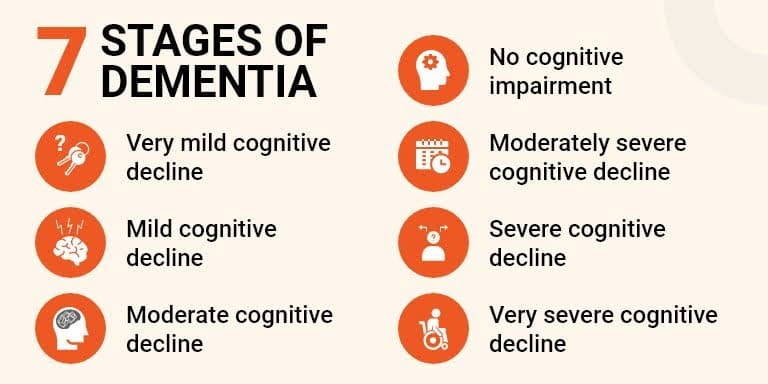
Stage 3: Mild cognitive decline
Noticeable memory deficits become apparent, affecting concentration and the ability to manage complex tasks like finances or planning. Visuospatial issues may arise, making it difficult to judge distances or navigate familiar routes. While independence remains largely intact, errors in judgment increase. Supporting individuals with structured routines and gentle reminders helps mitigate frustration, allowing them to maintain confidence while adapting to these emerging challenges in their daily lives. -

Stage 4: Moderate cognitive decline
Significant memory loss and confusion set in, impacting the ability to perform daily activities independently. Individuals may struggle with basic tasks like dressing or bathing, requiring assistance. Personality changes and mood swings become more frequent, often linked to hallucinations or delusions common in Lewy Body Dementia. Creating a safe, predictable environment reduces anxiety, while consistent caregiving support ensures physical needs are met with compassion and patience. -

Stage 5: Moderately severe cognitive decline
Severe memory gaps emerge, including forgetting personal details like addresses or phone numbers. Assistance is needed for most daily activities, such as choosing appropriate clothing. Individuals may become withdrawn or exhibit significant behavioral changes. Care focuses on maintaining comfort and dignity through simplified communication and gentle physical guidance. Establishing a calm, familiar surroundings helps reduce agitation, ensuring the person feels secure despite their growing dependence on caregivers for basic needs. -
Stage 6: Severe cognitive decline
Patients in this stage require round-the-clock assistance with daily activities like bathing and dressing. Memory loss becomes profound, often preventing recognition of close family members. Severe personality changes and delusions may emerge, requiring calm redirection rather than confrontation. Caregivers must prioritize safety, managing incontinence and sleep disturbances while maintaining a quiet, predictable environment to reduce agitation and confusion. -

Stage 7: Very severe cognitive decline
In the final stage, individuals lose the ability to communicate verbally and rely entirely on non-verbal cues for comfort. Physical abilities deteriorate significantly, leading to loss of walking, sitting, and eventually swallowing functions. Care focuses on gentle touch, soothing voice tones, and managing pain or discomfort. Nutritional support often shifts to assisted feeding or tube feeding, depending on family wishes and clinical guidance, ensuring dignity and ease until the end.
Managing dementia through the 7 stages
Lewy body dementia (LBD) is not a single event but a gradual journey that changes how a person thinks, moves, and interacts. Unlike other forms of dementia, LBD often involves visual hallucinations, sleep disturbances, and movement issues similar to Parkinson’s disease. Understanding the 7 stages helps caregivers anticipate needs rather than just react to crises.
The progression is rarely linear. Some days may be clearer than others, and symptoms can fluctuate. This variability is characteristic of LBD. The goal of management is to maintain quality of life for as long as possible, adapting the home environment and care routines to match the person’s current abilities.
Caregivers play a pivotal role in this journey. Simple adjustments, like improving lighting to reduce visual misinterpretations or establishing a consistent sleep routine, can significantly reduce distress. As the disease advances, the focus shifts from independence to safety and comfort. Recognizing the specific needs of each stage allows for more compassionate and effective support.
Steps for comfort care at end of life
As Lewy body dementia progresses into its final stages, the focus shifts entirely to comfort, dignity, and presence. The body begins to slow down, and standard medical interventions often offer more burden than benefit. Your role changes from managing symptoms to providing gentle, hands-on support.

Reduce sensory overload by keeping the room quiet and dimly lit. Sudden noises or bright lights can cause distress or confusion in the final stages. Play soft, familiar music or simply sit in silence to provide a sense of safety and peace.
Watch for signs of discomfort, such as grimacing or restlessness, even if your loved one cannot speak. Keep them positioned comfortably to ease breathing. If they are unable to swallow, do not force food or water; instead, use moist swabs to keep their mouth hydrated and comfortable.
Touch remains a powerful way to communicate love when words fail. Hold their hand, stroke their arm, or gently massage their fingers. Speak to them calmly and reassuringly, as hearing is often the last sense to fade. Your presence is the most important part of their care.

No comments yet. Be the first to share your thoughts!