
Beyond Reminders: AI’s Emerging Role
Caring for someone with dementia is a demanding role, often falling to family members. Our current systems struggle with an aging population, and with over 6.7 million Americans over 65 living with Alzheimer's (Alzheimer’s Association), we need new solutions. Artificial intelligence offers some of these.
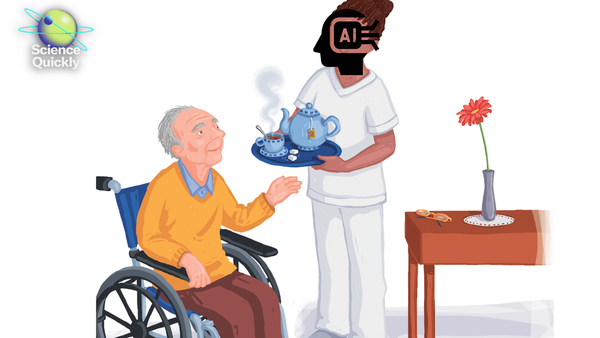
Many worry AI will replace human connection in dementia care. This isn't the goal. AI is meant to support caregivers, not replace their compassion and empathy. It aims to ease burdens and improve life for those with dementia and their families.
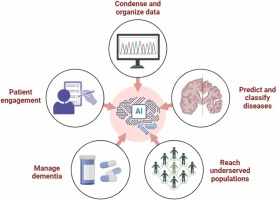
AI in dementia care aims to augment human abilities, not replace people. It acts as a toolset for repetitive tasks, monitoring, and personalized support, allowing caregivers to focus on meaningful connections and emotional comfort. Strained healthcare systems and rising diagnoses drive the adoption of these technologies.
The aim is to empower individuals with dementia to live independently and fulfilling lives. AI can help achieve this, but requires careful, ethical implementation that prioritizes human connection. This technology should enhance care, not diminish it.
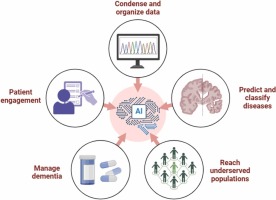
Smart Homes, Smarter Support
AI-powered smart home technology is becoming central to proactive dementia care, offering continuous, personalized monitoring and support beyond simple reminders. It uses sensors and connected devices to learn daily routines and detect deviations that signal distress or a need for help.
A system with motion, door/window, and appliance sensors learns a person's normal patterns—wake times, meal times, room usage. If it detects unusual patterns, like prolonged inactivity or nighttime wandering, it alerts a caregiver. This provides a safety net, not constant surveillance.
Voice assistants like Alexa and Google Assistant are increasingly important. They can provide personalized reminders for medications, appointments, and tasks, make emergency calls, or connect with family. Systems can be customized to individual cognitive abilities. Data security and privacy are critical concerns.
Choose systems with encryption and data anonymization. Be transparent with the individual about technology use and get consent. Fall detection systems, often with smartwatches or wearables, are valuable. AI algorithms analyze sensor data to differentiate stumbles from serious falls, ensuring quick dispatch of help and reducing false alarms.
Some smart home systems integrate environmental controls, automatically adjusting lights to prevent disorientation, setting comfortable temperatures, and locking doors to prevent wandering. These features create a safer, more comfortable living environment.
AI-Driven Communication Aids
Communication challenges are common in dementia. As cognitive abilities decline, individuals may struggle with words, complex sentences, or following conversations. AI offers tools to bridge these gaps and preserve dignity.
Beyond speech-to-text and text-to-speech, AI algorithms are interpreting emotional tone and providing visual cues. An app might analyze facial expressions and body language to gauge emotional state, offering a simplified explanation to a caregiver. A system could recognize frustration or sadness and prompt a caregiver for reassurance.
Tools also aid in recalling names and faces, a common dementia difficulty. Facial recognition systems can identify individuals and subtly remind the person with dementia of their name and relationship, promoting social interaction and reducing isolation.
Technology should support communication, not replace it. The focus must remain on meaningful connection and respecting autonomy. AI can enhance communication when used thoughtfully and with sensitivity.
Predictive Analytics & Behavioral Patterns
Predictive
This analysis can incorporate data from a variety of sources, including sleep patterns (tracked by wearable sensors), activity levels (monitored by motion sensors), mood indicators (assessed through voice analysis or facial expression recognition), and even environmental factors like weather and time of day. The goal is to identify triggers and precursors to challenging behaviors, allowing caregivers to intervene proactively.
For example, if the AI detects a consistent pattern of increased restlessness leading up to sundowning, a caregiver might proactively engage the individual in a calming activity, like listening to music or looking at photo albums. This can help prevent a crisis and improve the person’s overall well-being. However, it’s crucial to understand that prediction is not perfect. Algorithms are based on probabilities, not certainties, and false positives are inevitable.
Furthermore, there are significant ethical considerations surrounding predictive analytics. We must be careful to avoid creating self-fulfilling prophecies or unfairly stigmatizing individuals based on predicted behaviors. Algorithmic bias is also a concern; if the data used to train the algorithm is biased, the predictions will be biased as well. We need to ensure that these systems are developed and deployed responsibly, with a focus on fairness, transparency, and accountability.
The use of predictive analytics in dementia care requires a careful balance between leveraging the potential benefits and mitigating the risks. It’s a tool that should be used to empower caregivers, not to control or restrict the individual with dementia. Constant monitoring of the system and its predictions is essential to ensure it’s providing accurate and helpful insights.
Robotic Companions: More Than Just Toys
Social robots are gaining attention as potential companions for individuals with dementia. These aren't the complex, humanoid robots of science fiction; they’re typically simpler, more approachable designs intended to provide companionship, reduce loneliness, and stimulate cognitive function. While the image of a robotic friend might seem futuristic, the underlying goal is surprisingly grounded: to address the social isolation that often accompanies dementia.
Some robots are designed for specific tasks, like medication reminders or guided exercises. Others offer more general companionship, engaging in simple conversations, playing music, or providing a calming presence. The Paro therapeutic robot, resembling a baby seal, is a well-known example. It has been shown to reduce stress and anxiety in dementia patients through its interactive and responsive behavior.
However, it's important to avoid viewing these robots as a replacement for human interaction. They are intended to supplement care, not provide it entirely. Concerns about emotional attachment and the potential for robots to diminish the value of human relationships are valid and need to be addressed. It's crucial to ensure that individuals with dementia continue to have regular opportunities for meaningful social interaction with family, friends, and caregivers.
The effectiveness of robotic companions also depends on the individual’s personality and cognitive abilities. Some people may find them comforting and engaging, while others may be confused or indifferent. Careful assessment and personalized selection are essential. The focus should always be on enhancing the individual’s quality of life, not simply introducing technology for the sake of it.
AI for Caregiver Support: Reducing Burnout
The emotional and physical toll of dementia caregiving is immense. Caregivers often experience high levels of stress, anxiety, and depression, and many struggle to balance their responsibilities with their own personal needs. AI can play a crucial role in supporting caregivers and reducing burnout.
AI-powered scheduling tools can help caregivers manage appointments, medication schedules, and other tasks. Automated task lists can streamline daily routines and ensure that nothing falls through the cracks. Platforms for connecting with support groups and online communities can provide a sense of connection and shared understanding. These tools aren’t just about efficiency; they’re about reducing cognitive load and freeing up time for caregivers to focus on their own well-being.
AI-driven resources for education and training on dementia care are also becoming increasingly available. These resources can provide caregivers with the knowledge and skills they need to provide effective care and navigate the challenges of the disease. Some platforms even offer personalized coaching and support, tailored to the caregiver’s specific needs.
Financial and legal paperwork related to dementia care can be overwhelming. AI-powered tools can help caregivers manage these tasks, providing guidance on estate planning, insurance claims, and government benefits. The Alzheimer’s Association offers a wealth of resources for caregivers, and AI can help them navigate this information more effectively.
Ultimately, supporting caregivers is essential for providing high-quality dementia care. AI can be a valuable tool for reducing stress, improving efficiency, and empowering caregivers to prioritize their own well-being. A well-supported caregiver is better equipped to provide compassionate and effective care for their loved one.
What is your biggest challenge as a dementia caregiver that you believe AI technology could help address?
As AI-assisted tools continue to emerge in dementia care, we want to hear from you. Understanding your daily caregiving challenges helps us focus on the technology solutions that matter most. Vote below and share your experience in the comments!
Navigating the 2026 Landscape: Costs and Access
While the potential of AI-assisted dementia care is undeniable, practical considerations like cost and access remain significant barriers. Currently, the cost of these technologies can be substantial, ranging from a few hundred dollars for a smart speaker with enhanced features to several thousand dollars for a comprehensive smart home system.
As the technology matures and becomes more widely adopted, we can expect prices to come down. However, even with lower costs, affordability will remain a challenge for many families. Insurance coverage for AI-assisted dementia care is still limited, but there is growing advocacy for expanding coverage to include these technologies.
Financial assistance programs, such as those offered by the Alzheimer’s Association and other non-profit organizations, can help offset some of the costs. However, demand for these programs often exceeds available funding. Digital literacy and access to reliable internet connectivity are also crucial for accessing AI-assisted dementia care. This creates a potential disparity, as individuals in rural areas or with limited financial resources may be left behind.
Ongoing research and development are essential for making these technologies more affordable and accessible. Investment in open-source platforms and collaborative projects can help drive down costs and promote innovation. It’s also important to address the digital divide by expanding access to broadband internet and providing training on how to use these technologies.
Ethical Considerations and Future Directions
The integration of AI into dementia care raises important ethical considerations. Data privacy, algorithmic transparency, and preventing bias are paramount. We must ensure that the data collected by these systems is protected and used responsibly, and that the algorithms are fair and unbiased.
Looking ahead, the potential for AI to personalize care plans and improve quality of life is immense. Imagine AI systems that can tailor interventions to the individual’s specific needs and preferences, based on their cognitive abilities, emotional state, and personal history. Future advancements might include brain-computer interfaces that can help restore lost cognitive function or AI-powered drug discovery that can lead to new treatments for dementia.
However, we must proceed with caution, always prioritizing the well-being and autonomy of individuals with dementia. AI should be used as a tool to empower them, not to control them. By addressing the ethical challenges and embracing responsible innovation, we can unlock the full potential of AI to transform dementia care and create a more supportive and compassionate future for those affected by this devastating disease.

No comments yet. Be the first to share your thoughts!