
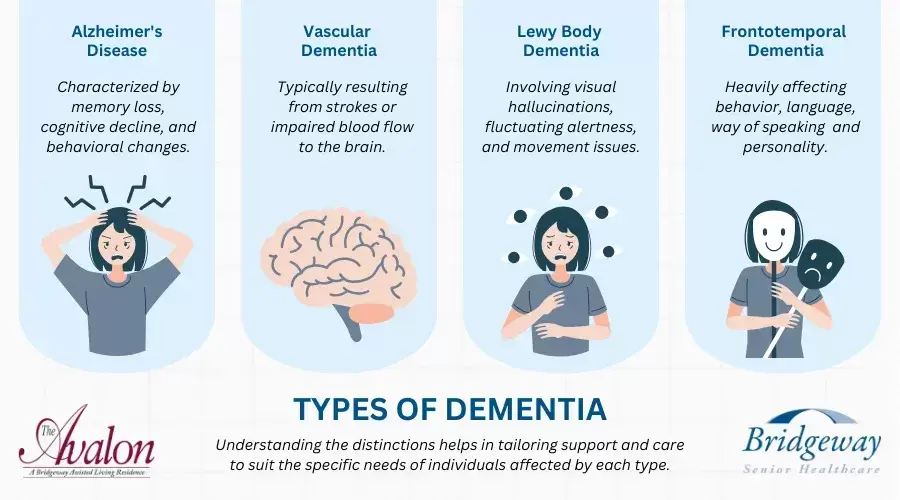
Choosing safe home care aids
Selecting the right dementia care products is less about buying gadgets and more about designing a daily routine that protects dignity. The goal is to reduce caregiver stress and prevent accidents by using tools that are intuitive, not just high-tech. A cluttered smart-home setup can often confuse someone with cognitive decline, whereas a simple, well-placed aid can restore independence.
Start with sensory support. If hearing or vision is impaired, the world becomes unpredictable and frightening. Regular checks for hearing aids or updated glasses can reduce agitation and confusion, making other safety aids more effective. Think of these as the foundation; without clear senses, even the best grab bars or labels won't help the person navigate their space safely.
Focus on products that maintain independence while minimizing risk. Simple, intuitive designs are often safer than complex smart-home setups.
When looking for specific aids, prioritize items that prevent falls and wandering. A sturdy shower chair or a non-slip bath mat addresses the highest risk area in the home. Similarly, door alarms or hidden locks on exits can provide peace of mind for caregivers without making the person feel imprisoned. The best products blend into the background, offering support without drawing attention to the disability.
Memory and communication aids
Supporting daily routines and social connection often starts with the right tools. Memory aids and communication devices help reduce frustration for both the person with dementia and their caregivers, turning complex tasks into manageable moments. These products bridge gaps in cognition and expression, allowing for greater independence and meaningful interaction.
Digital photo frames
Digital photo frames serve as gentle reminders of loved ones and past experiences. Unlike static frames, these devices can be updated remotely by family members, ensuring a constant stream of familiar faces. This visual anchor can reduce anxiety and spark conversations about shared memories, providing a sense of continuity and comfort in the home environment.
Medication dispensers
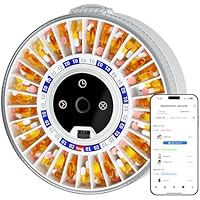
Automated medication dispensers are essential for maintaining health and safety. These devices lock away pills until the scheduled time, often accompanied by audible or visual alarms to remind the user. Some models notify caregivers if a dose is missed, providing peace of mind that medications are taken correctly without the need for constant supervision.
Simplified communication boards
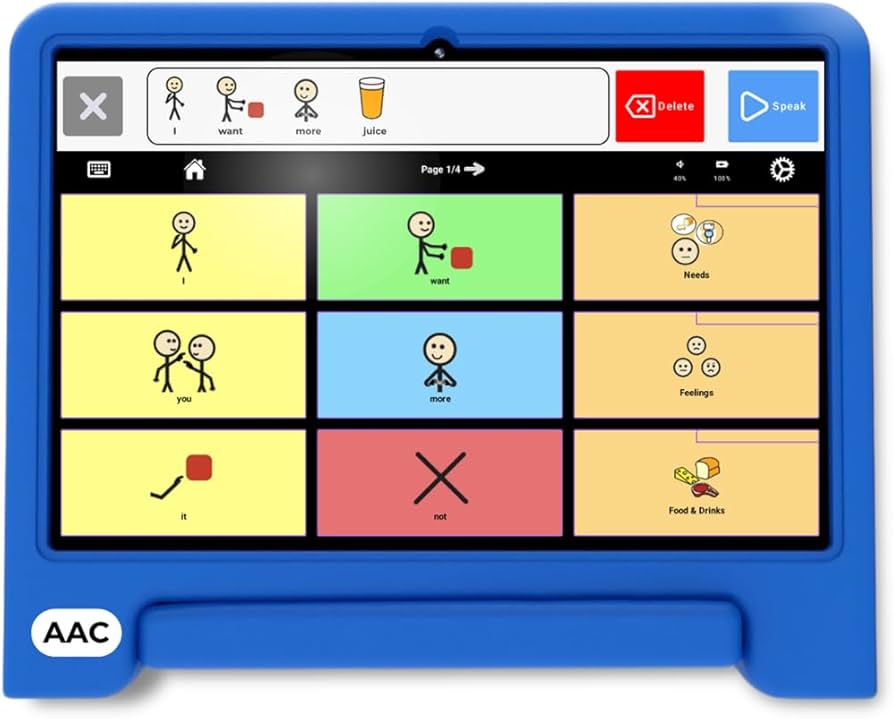
For those experiencing aphasia or language difficulties, simplified communication boards offer a non-verbal way to express needs. These boards feature large, clear icons for common requests like "thirsty," "pain," or "bathroom." By reducing the cognitive load required to form sentences, these tools help prevent behavioral issues stemming from frustration and allow the individual to participate more fully in daily interactions.

As an Amazon Associate, we may earn from qualifying purchases.
Essential fall prevention tools
Falls are a leading cause of injury for people with dementia, often triggered by confusion, gait instability, or poor lighting. Installing specific safety hardware and lighting solutions creates a protective layer around the home, reducing anxiety for both the caregiver and the person living with dementia.
Secure grab bars and bed rails
Grab bars provide critical stability in high-risk areas like the bathroom and bedroom. Unlike towel racks, these are anchored directly into wall studs to support significant weight. For beds, side rails can prevent accidental rolling out during sleep, but they must be selected carefully to avoid entrapment risks. Look for models with smooth edges and secure locking mechanisms that are easy for caregivers to operate but difficult for the patient to accidentally disengage.
Motion-sensor lighting
Disorientation at night is a common cause of falls in dementia care. Motion-sensor night lights placed along hallways, near the bedroom door, and in the bathroom illuminate paths automatically without requiring the person to fumble for switches. This gentle lighting helps maintain circadian rhythms while ensuring visibility during nighttime bathroom trips, reducing the risk of tripping in the dark.
Comparing fall prevention hardware
When selecting safety equipment, installation type and weight capacity are the most important factors. The table below compares common options to help you choose the right hardware for your home.
| Product Type | Installation | Weight Capacity | Ease of Use |
|---|---|---|---|
| Standard Grab Bar | Wall stud mounting | Up to 500 lbs | High (fixed position) |
| Over-the-toilet grab bar | No-drill tension mount | Up to 300 lbs | Medium (requires adjustment) |
| Bed rail with lock | Clamps to bed frame | Varies by model | High (one-hand lock) |
| Motion night light | Plug-in or battery | N/A | High (automatic) |
Smart home safety monitors
Technology can act as a quiet guardian, offering caregivers peace of mind without adding complexity to daily routines. Smart safety monitors focus on the most common risks in a dementia care environment: wandering, kitchen accidents, and falls. These devices work in the background, alerting you only when necessary, which allows the person with dementia to maintain independence while you stay connected.
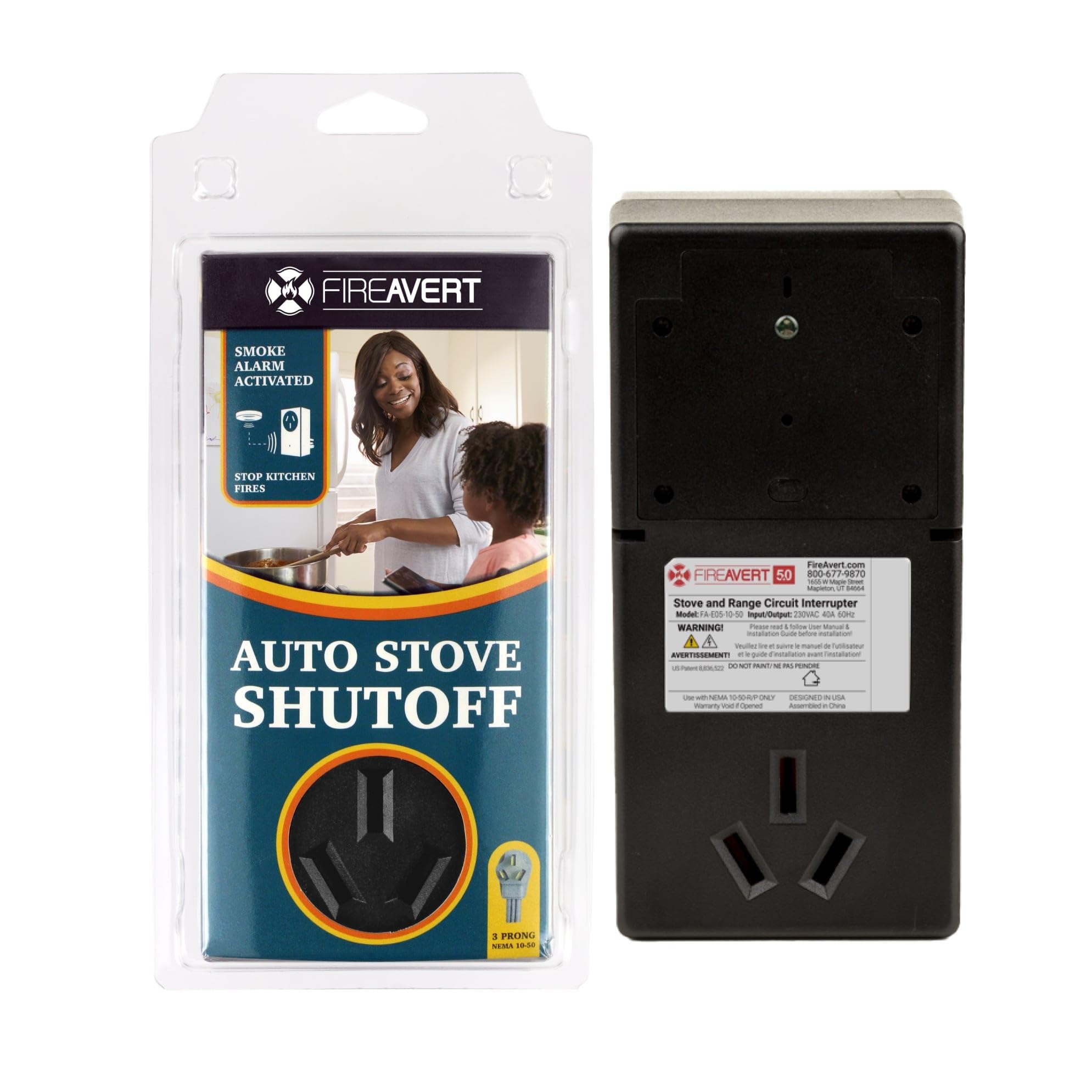
Stove shut-off devices are essential for preventing fires, a leading cause of home injury. Products like the Stove Guard use motion and heat sensors to detect if the stove is left on. If no activity is detected within a set time, the device automatically cuts power to the burners. This simple intervention removes the anxiety of leaving the kitchen, knowing the risk of fire is neutralized even if memory lapses occur.
For wandering prevention, door alarms and sensor pads provide immediate notification if a door or window is opened. Smart door sensors send alerts to your smartphone the moment an exit is breached, allowing you to intervene before the person leaves the home. Unlike traditional bells that can be ignored or forgotten, these digital alerts ensure you are notified instantly, day or night.
Motion-activated night lights and fall detection sensors further enhance safety in hallways and bathrooms. These devices illuminate paths automatically, reducing tripping hazards in low light. Some advanced systems can detect sudden falls and send emergency alerts, bridging the gap between independent living and immediate assistance.


As an Amazon Associate, we may earn from qualifying purchases.
Frequently asked questions about dementia care products
Do these products have safety certifications?
Look for products that meet specific regulatory standards, such as UL listing for electrical items like bed alarms or non-slip mats. For mobility aids, check for ASTM or ISO certifications to ensure structural integrity. Reputable manufacturers often display these marks clearly. If a product lacks clear certification data, it is safer to choose an alternative from a well-known medical supply brand.
Will my family member find these devices easy to use?
Complex interfaces can increase frustration and confusion. Choose simple, intuitive tools like a digital pill organizer with large buttons or a grab bar with a textured, non-slip surface. Avoid devices with small screens or complicated menus. The goal is to support independence without requiring technical knowledge. Simple, tactile products often work best for those with cognitive decline.
How do these products reduce caregiver burden?
Products like fall detection sensors or wandering GPS trackers provide peace of mind, allowing caregivers to rest without constant supervision. Automated medication dispensers reduce the mental load of tracking doses. By handling routine tasks, these tools help prevent caregiver burnout. This support is essential for maintaining a sustainable care environment at home.

No comments yet. Be the first to share your thoughts!