
Dementia Care's AI Shift
For decades, the idea of artificial intelligence assisting with dementia care felt like something out of science fiction. That’s no longer the case. AI is rapidly moving from research labs into practical applications, offering a potential lifeline for both individuals living with dementia and the families who support them.
The pressures on dementia care are immense and growing. An aging population means more people are developing the condition, while the number of professional caregivers isn’t keeping pace. Family caregivers, often already stretched thin, face increasing emotional, physical, and financial strain. AI isn’t intended to replace human connection, but to augment it – to provide tools that make care more effective, more efficient, and more sustainable.
We’re seeing AI applied to everything from early detection to daily living support. While the promise is significant, it’s also essential to acknowledge the ethical considerations that come with using these powerful technologies. Questions around data privacy, algorithmic bias, and the potential for reduced human interaction need careful attention. These aren’t roadblocks, but rather critical aspects we must address as AI becomes more integrated into dementia care.
Early Detection: AI as a Diagnostic Aid
One of the most exciting areas of AI in dementia care is its potential to improve early detection. Currently, diagnosis often relies on subjective evaluations and can be delayed, missing the window for interventions that could slow disease progression. AI offers the possibility of objective, data-driven assessments.
Researchers are training algorithms to identify subtle patterns indicative of cognitive decline. This includes analyzing speech patterns – changes in vocabulary, grammar, or fluency can be early indicators. Facial expression analysis is another promising avenue, as AI can detect micro-expressions that might be missed by the human eye. Changes in behavior, such as decreased social interaction or difficulty with familiar tasks, are also being studied.
Machine learning is proving particularly valuable in analyzing medical images. AI can be trained to identify biomarkers of dementia – specific changes in brain structure or function visible on MRI or PET scans – often earlier and more accurately than traditional methods. For example, a study published in Radiology in 2024 demonstrated an AI algorithm that could predict the onset of Alzheimer’s disease up to six years before clinical symptoms appeared.
AI-powered cognitive assessments are also emerging. These assessments can be administered remotely, using smartphones or tablets, making them more accessible than traditional in-person evaluations. However, it’s vital to remember that AI is an aid to diagnosis, not a replacement for the expertise of a qualified medical professional. A positive AI assessment requires confirmation through comprehensive clinical evaluation.
- Subtle Speech Changes: AI analyzes vocabulary, grammar, and fluency.
- Facial Expression Analysis: Detects micro-expressions indicative of cognitive decline.
- Behavioral Pattern Recognition: Identifies changes in social interaction or task completion.
- Biomarker Detection: Analyzes MRI and PET scans for early indicators.
Smart Homes and Ambient Monitoring
Smart home technology is transforming the way we approach dementia care, creating environments that are both safer and more supportive. This isn’t about turning a house into a high-tech fortress, but about using sensors and connected devices to unobtrusively monitor well-being and provide assistance when needed.
A range of devices are available, from simple motion sensors that detect falls to more sophisticated systems that track activity levels and sleep patterns. Wearable devices, like smartwatches, can monitor heart rate, sleep quality, and even detect changes in gait that might indicate a problem. Voice assistants, such as Amazon’s Alexa or Google Assistant, can provide medication reminders, answer questions, and even facilitate video calls with family members.
The key is finding the right balance between passive monitoring and intrusive monitoring. Passive monitoring – using sensors to collect data without requiring the individual to actively participate – is generally preferred, as it preserves privacy and dignity. However, there are situations where more active monitoring, such as GPS tracking, may be necessary to prevent wandering. Companies like Lively offer GPS trackers specifically designed for seniors with dementia.
The benefits of ambient monitoring extend beyond safety. By tracking daily routines, these systems can help caregivers identify changes that might signal a decline in cognitive function. For example, a sudden decrease in activity levels or a change in sleep patterns could be an early warning sign of an infection or other medical issue. However, it’s crucial to ensure data privacy and security, and to obtain informed consent from the individual and their family.
- Motion Sensors: Detect falls and inactivity.
- Wearable Devices: Monitor heart rate, sleep, and gait.
- Voice Assistants: Provide reminders and facilitate communication.
- GPS Trackers: Help prevent wandering (e.g., Lively devices).
Personalized Care Plans with AI
Traditionally, dementia care plans have been largely standardized. AI offers the potential to create truly personalized plans, tailored to the unique needs and preferences of each individual. By analyzing a person’s medical history, cognitive abilities, daily routines, and even their personality, AI can identify the most effective interventions.
AI can be particularly helpful in medication management. It can generate reminders to ensure medications are taken on time, and even flag potential drug interactions. Some systems can also suggest dosage adjustments based on individual responses to medication. This is especially important for people with dementia, who may have complex medication regimens.
The real power of AI lies in its ability to adapt care plans over time. As a person’s condition changes, AI can adjust interventions to maintain optimal well-being. For example, if a person begins to experience increased agitation, the AI system might suggest increasing social interaction or adjusting the environment to reduce stimulation.
It’s important to emphasize that this isn’t about replacing human interaction. AI is a tool to augment the care provided by family members, caregivers, and healthcare professionals. The human element – empathy, compassion, and personal connection – remains absolutely essential. The goal is to free up caregivers to focus on these critical aspects of care.
AI-Driven Communication Tools
Communication challenges are a hallmark of dementia. As the condition progresses, individuals may struggle to find the right words, understand conversations, or express their needs. AI is offering new tools to bridge these communication gaps.
AI-powered translation tools can help caregivers understand individuals who are non-verbal or have limited language skills. These tools analyze facial expressions, body language, and vocal cues to interpret meaning. While still in its early stages, this technology has the potential to significantly improve communication between caregivers and those they support.
Virtual companions and chatbots are also emerging as a way to provide social interaction and reduce loneliness. These AI-powered entities can engage in simple conversations, play games, and offer emotional support. I'm not sure about the long-term efficacy of virtual companions, but initial results suggest they can provide a valuable source of stimulation for some individuals.
AI can also be used to generate personalized stories or reminiscence therapy prompts. By analyzing a person’s life history and interests, AI can create narratives that evoke positive memories and stimulate cognitive function. This approach can be particularly beneficial for individuals with Alzheimer’s disease, who often retain long-term memories even as short-term memory declines.
The Role of Robotics in Dementia Care
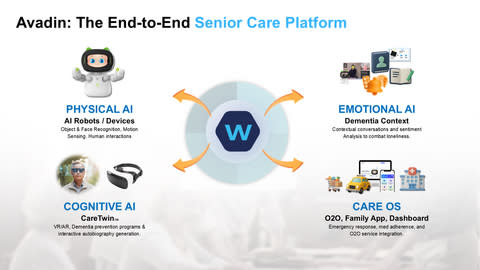
The field of social robotics is gaining traction in dementia care. Robots aren’t intended to replace human caregivers, but to assist with tasks and provide companionship. These robots are designed to be engaging and interactive, and can offer a range of benefits.
Robots can assist with medication reminders, meal preparation, and light housekeeping tasks. They can also provide companionship, playing games, reading stories, and engaging in simple conversations. Some robots are even equipped with sensors that can detect falls or other emergencies.
However, it’s crucial to approach robotics with a healthy dose of realism. Current robots are not capable of providing the same level of emotional support and nuanced care as a human caregiver. They are also limited in their ability to respond to unexpected situations. Ethical considerations surrounding the use of robots in caring for vulnerable individuals – issues of privacy, autonomy, and the potential for dehumanization – must be carefully addressed.
Companies like Ageless Innovation are developing social robots specifically designed for seniors. Their ElliQ robot, for example, offers companionship, cognitive stimulation, and connectivity to family and friends. While these robots are promising, they are still relatively expensive and require ongoing maintenance.
Ethical Considerations and Data Privacy
The integration of AI into dementia care raises a number of ethical concerns. These concerns must be addressed proactively to ensure that these technologies are used responsibly and ethically. Data privacy is paramount. AI systems rely on vast amounts of personal data, and it’s essential to protect this data from unauthorized access or misuse. Strict data security protocols and robust privacy policies are non-negotiable.
Algorithmic bias is another critical issue. AI algorithms are trained on data, and if that data reflects existing biases, the algorithm will perpetuate those biases. This could lead to disparities in care, with certain groups receiving less effective or appropriate interventions. It’s crucial to ensure that AI algorithms are trained on diverse and representative datasets.
The potential for dehumanization is also a concern. Over-reliance on AI could lead to a reduction in human interaction and a loss of empathy and compassion. It’s essential to remember that AI is a tool to support human care, not to replace it. Transparency and accountability are also vital. The decision-making processes of AI algorithms should be transparent and explainable, and there should be clear lines of accountability for any errors or harms that occur.
Resources from organizations like alzheimers.gov offer valuable information about planning for dementia and accessing caregiver support. Planning ahead can help individuals and families navigate the challenges of the disease and ensure that their rights and wishes are respected. Understanding your options and seeking support from trusted sources is essential.
Looking Ahead: 2026 and Beyond
The pace of innovation in AI is accelerating, and the next few years promise even more significant advancements in dementia care. Predictive analytics will become increasingly sophisticated, allowing us to identify individuals at risk of developing dementia even before symptoms appear. Personalized medicine will become more prevalent, with treatments tailored to an individual’s genetic makeup and lifestyle.
We may also see the emergence of brain-computer interfaces that can help restore cognitive function or improve communication. While this technology is still in its early stages, it holds tremendous potential for individuals with severe dementia. The development of more sophisticated social robots is also likely, with robots that are capable of more complex interactions and providing more personalized care.
However, continued research and development are essential. We need to better understand the underlying mechanisms of dementia and develop more effective treatments. Collaboration between researchers, clinicians, and caregivers is also crucial. By working together, we can harness the power of AI to improve the lives of people living with dementia and their families.
I believe that the biggest breakthroughs will come from combining AI with a deeper understanding of the human brain. As we unlock the secrets of the brain, we will be able to develop more targeted and effective interventions for dementia. The future of dementia care is undoubtedly intertwined with the future of artificial intelligence.
- Predictive Analytics: Identifying individuals at risk before symptoms appear.
- Personalized Medicine: Tailoring treatments to individual genetic makeup.
- Brain-Computer Interfaces: Restoring cognitive function and improving communication.
- Advanced Social Robotics: More complex interactions and personalized care.

No comments yet. Be the first to share your thoughts!