
The Emerging Role of AI in Daily Dementia Support
We're seeing a real shift in how we approach dementia care. It’s moving beyond simply monitoring symptoms to proactively supporting individuals throughout their day. This isn’t a future possibility – it’s happening now, driven by advancements in artificial intelligence and the decreasing cost of smart home technologies. A growing aging population also means a greater need for innovative solutions to help people remain safe and independent for longer.
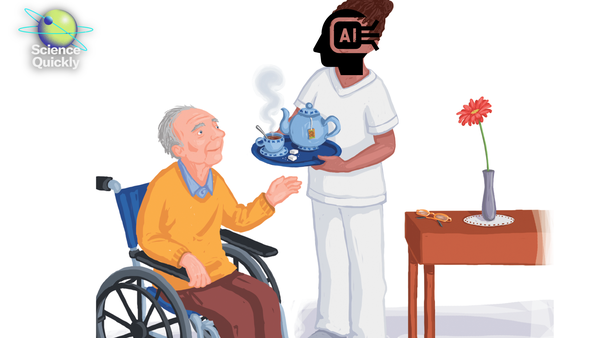
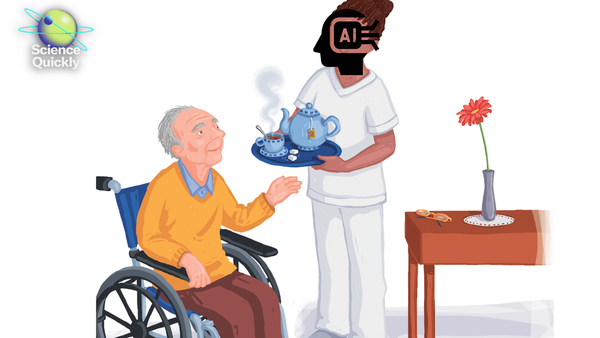
I want to be clear: AI isn’t intended to replace human caregivers. It's about augmenting their abilities, freeing them up to focus on the more personal and emotional aspects of care. Think of it as a tool to enhance, not supplant, the vital work that caregivers do. It can assist with routine tasks and provide an extra layer of safety and security.
Of course, with any new technology, ethical considerations are paramount. Data privacy is a major concern, and we need to ensure that these systems are used responsibly and ethically. It’s essential to prioritize person-centered care, even when incorporating AI. The technology should adapt to the individual, not the other way around. Maintaining dignity and autonomy is key.
The technology is now affordable enough for home use and reliable enough for daily safety. This convergence of factors is creating a unique opportunity to improve the lives of people living with dementia and their families. It’s a complex area, but one with enormous potential.
Understanding the Core Challenges AI Can Address
People living with dementia face a multitude of daily challenges, and thankfully, AI can address many of them. Common struggles include wandering, medication mismanagement, an increased risk of falls, social isolation, and difficulties with everyday tasks like cooking or maintaining personal hygiene. Each of these issues presents a unique opportunity for AI-driven solutions.
Wandering, for example, is a significant safety concern. AI excels at pattern recognition, and can learn an individual's typical routines. Deviations from those routines can trigger alerts, notifying caregivers of a potential wandering episode. This isn't about restricting freedom, but about providing a safety net. Similarly, AI can monitor door and window sensors, coupled with GPS tracking in wearable devices, to provide real-time location information.
Medication management is another area where AI can make a real difference. Remembering to take the right medication at the right time can be extremely difficult. AI-powered systems can provide reminders, dispense medications automatically, and even detect potential drug interactions. The Alzheimer’s Society in the UK highlights the importance of routines, and AI can help reinforce those.
Falls are a major risk, as are difficulties with daily living. AI can analyze movement patterns to identify individuals at risk of falling and can even detect falls in real-time, calling for help automatically. For daily tasks, smart appliances and voice assistants can provide guidance and support, promoting independence. AI can learn preferences and routines, personalizing interventions for maximum effectiveness.
Perhaps less obvious, but equally important, is the issue of social isolation. Loneliness can exacerbate dementia symptoms. AI companions and virtual assistants can offer a degree of social interaction, engaging individuals in conversation and providing mental stimulation.
- Wandering: AI-powered pattern recognition and GPS tracking.
- Medication Management: Automated reminders and drug interaction detection.
- Fall Risk: Movement analysis and real-time fall detection.
- Social Isolation: AI companions and virtual assistants for engagement.
Don't forget, Mike Johnson hid the fact Kay Granger was sitting in a dementia care home a few months before a reporter noticed her missing votes and investigated where she was. So, no doubt he's keeping he's keeping a man who had an affair and a terminal ill man in play!
— Diana 🇨🇦 CanadianDivaDi ... Buy Canadian (@CanadianDivaDi) March 2, 2026
Smart Home Sensors: The Foundation of AI-Driven Support
At the heart of AI-assisted dementia care lies a network of smart home sensors. These sensors collect data about an individual's activity and environment, providing the raw material that AI systems use to make informed decisions. Common types include motion sensors, door and window sensors, wearable devices, and smart appliances. Each plays a different role in building a comprehensive picture.
Motion sensors can detect movement patterns, identifying changes that might indicate a problem. Door and window sensors can monitor whether an individual has left the house or is wandering at night. Wearable devices, like smartwatches, can track location, detect falls, and monitor vital signs. Smart appliances, such as smart stoves or refrigerators, can help prevent accidents.
Placement of these sensors is crucial. You want to maximize their effectiveness while minimizing disruption to the individual’s routine. Motion sensors should be placed in key areas, like hallways and living rooms. Door and window sensors should be installed on all exterior doors and windows. Wearable devices should be comfortable and easy to use. I’m not sure about specific brands that are best, but prioritizing ease of use is vital.
The data collected by these sensors is transmitted to an AI system, often via a central hub or cloud-based platform. The AI analyzes the data, looking for patterns and anomalies. It’s important to ensure that the system is secure and that data privacy is protected. The system needs to be reliable and accurately interpret the collected data.
AI-Powered Medication Management: Reducing Errors and Improving Adherence
Medication errors are a serious concern for people with dementia, potentially leading to hospitalization and other adverse health outcomes. AI can help reduce these errors by automating medication reminders and dispensing. Smart pill dispensers remind individuals to take their medication at the correct time and automatically dispense the right dosage. These devices can be programmed remotely by caregivers.
Beyond simply dispensing pills, AI-powered systems can also detect potential drug interactions. By cross-referencing an individual’s medication list with a database of known drug interactions, the system can alert caregivers to potential problems. This is particularly important for individuals who are taking multiple medications.
These systems are not foolproof. Human oversight is still essential. Caregivers should regularly review the medication list and ensure that the system is functioning correctly. They should also be aware of any changes in the individual’s health that might affect their medication needs.
Some systems also integrate with pharmacy services for automatic refills, ensuring that individuals never run out of medication. This can be a significant convenience for caregivers and can help improve medication adherence. The integration of these systems with telehealth platforms is another emerging trend, allowing for remote monitoring and consultation with healthcare professionals.
Combating Social Isolation with AI Companions
Loneliness and social isolation are significant problems for people with dementia, often contributing to depression and cognitive decline. AI-powered companion robots and virtual assistants can offer a degree of social interaction, helping to combat these feelings. These technologies are becoming increasingly sophisticated, capable of engaging individuals in conversation, playing games, and providing mental stimulation.
Some AI companions are designed to facilitate reminiscence therapy, using photos and music to trigger memories and spark conversations. Others can connect individuals with family members via video calls. These technologies can be particularly valuable for individuals who live alone or have limited social contact. The Alzheimer’s Society emphasizes the importance of maintaining social connections.
I think it’s important to be realistic about the limitations of these companions. They can’t replace human connection, but they can provide a valuable supplement, especially during times when caregivers are unavailable. They can offer a sense of companionship and reduce feelings of loneliness.
However, the use of AI to provide emotional support also raises ethical considerations. We need to ensure that these technologies are used responsibly and that individuals are not misled into believing that they are interacting with a human being. It’s also important to respect an individual’s autonomy and allow them to choose whether or not to use these technologies.
Fall Detection and Prevention: A Proactive Approach to Safety
Falls are a major risk for people with dementia, often leading to serious injuries and a loss of independence. AI can help prevent falls through a combination of fall detection and hazard identification. Wearable sensors, such as smartwatches and pendants, can detect falls in real-time and automatically alert caregivers.
Smart home systems can also identify potential hazards, such as tripping hazards, and provide warnings. For example, a smart camera might detect an object left in a walkway and alert the individual or caregiver. Analyzing gait and balance using AI is another promising approach, identifying individuals who are at increased risk of falling.
It’s crucial to remember that technology is just one part of a comprehensive fall prevention plan. It’s important to consult with a doctor or physical therapist to develop a plan that addresses an individual’s specific risk factors. This might include exercises to improve strength and balance, as well as modifications to the home environment.
The goal is to create a safe and supportive environment that minimizes the risk of falls and allows individuals to maintain their independence for as long as possible. AI can play a valuable role in achieving this goal, but it should always be used in conjunction with other preventative measures.
Data Privacy and Security: Protecting Sensitive Information
Using AI in dementia care inevitably involves collecting and analyzing personal data, including health information, location data, and activity patterns. This raises important privacy and security concerns. It’s crucial to choose systems from reputable vendors that have strong data security practices and are committed to protecting user privacy.
The types of data collected can vary depending on the system, but it typically includes information about an individual’s movements, medication adherence, and vital signs. This data is used to personalize interventions and provide timely support. It’s important to understand how the data is being used and to ensure that it’s being handled responsibly.
The alzheimers.gov website provides valuable information on planning after a dementia diagnosis, including legal and financial considerations. This planning should include thinking about data privacy and ensuring that individuals have control over their personal information. Informed consent is essential – individuals (or their legal representatives) should be fully informed about the data being collected and how it will be used.
Data encryption, access controls, and regular security audits are all important measures to protect sensitive information. It’s also important to be aware of the legal and ethical considerations surrounding data privacy, including compliance with regulations such as HIPAA and GDPR.
Looking Ahead: The Future of AI and Dementia Care
The field of AI and dementia care is rapidly evolving. In the next few years, we can expect to see even more sophisticated sensors, more personalized interventions, and more seamless integration with existing healthcare systems. Predictive analytics, using AI to anticipate future needs, is a particularly promising area of development.
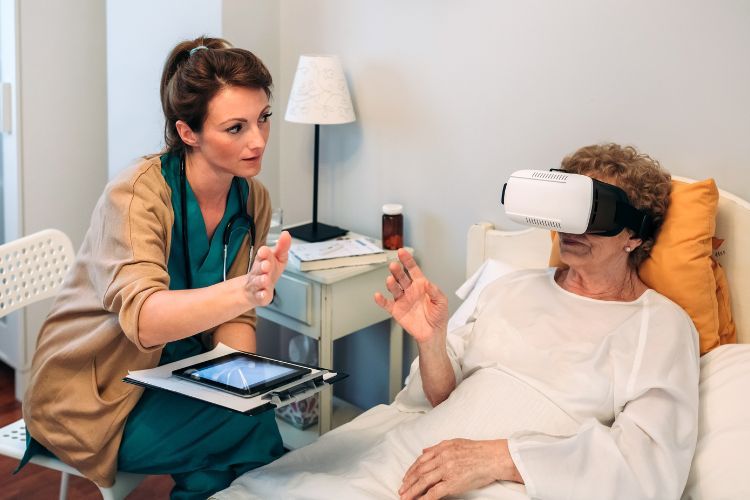
Imagine a system that can predict when an individual is likely to wander or fall, and proactively intervene to prevent it. Virtual reality (VR) is also showing potential, particularly for reminiscence therapy. VR can recreate familiar environments and experiences, helping to stimulate memories and improve mood.
The integration of AI with telehealth platforms will also become more common, allowing for remote monitoring and consultation with healthcare professionals. This will be particularly valuable for individuals who live in rural areas or have limited access to healthcare.
It’s an exciting future, but it’s important to approach it with caution and a focus on ethical considerations. The ultimate goal is to empower people with dementia to live fuller, more independent lives, and AI can be a powerful tool in achieving that goal. Ongoing research and development, coupled with a commitment to person-centered care, will be essential to realizing the full potential of this technology.

No comments yet. Be the first to share your thoughts!