
10 Signs Death Is Near and the 7 Stages of Lewy Body Dementia
Recognizing the final stages of Lewy Body Dementia requires distinguishing between progressive cognitive decline and the specific physiological signs that indicate death is near. This guide outlines the seven distinct stages of LBD and ten critical indicators of end-of-life, ensuring caregivers can navigate these complex changes with clinical accuracy and compassion.
-

Extreme fatigue and increased sleep
People nearing the end of life often experience profound exhaustion, sleeping up to 20 hours daily. This isn’t laziness but a physiological shutdown. The body conserves energy for vital organs. Families may notice the person is difficult to rouse or disengaged from surroundings. This increased sleep signals the transition into the final stages of Lewy Body Dementia, requiring gentle, restful care rather than stimulation. -

Significant decline in mobility
Movement becomes severely restricted as Lewy Body Dementia progresses. Rigidity and bradykinesia make standing or walking nearly impossible without assistance. The person may remain bedridden or chair-bound, increasing fall risks. This immobility stems from neurological degradation affecting motor control. Caregivers must assist with repositioning to prevent pressure sores, marking a critical shift toward end-of-life physical dependency. -

Difficulty swallowing food
Swallowing muscles weaken, causing dysphagia. Choking on liquids or solids becomes frequent, leading to aspiration pneumonia risks. The person may drop food or hold it in their mouth. Nutritional intake drops sharply as eating becomes laborious and unsafe. This sign indicates the body is losing basic self-care functions, requiring pureed diets or feeding tubes, signaling the final phase of Lewy Body Dementia progression. -

Increased vulnerability to infections
The immune system weakens, making infections like pneumonia or UTIs common and often fatal. Bedridden status and swallowing difficulties exacerbate these risks. Fever may be the only sign, as inflammatory responses are blunted. These infections are frequently the immediate cause of death in late-stage Lewy Body Dementia. Care focuses on comfort, hygiene, and minimizing invasive interventions, prioritizing dignity over aggressive treatment. -

Loss of bladder control
Neurological decline disrupts bladder signals, causing incontinence. The person no longer recognizes the urge to void or can’t reach the bathroom. This loss of bodily control is distressing but natural in late-stage dementia. Care involves frequent changing and protective garments to prevent skin breakdown. It signals the body’s systems are shutting down, requiring gentle, respectful hygiene practices to maintain comfort and dignity. -

Decreased social interaction
Patients often withdraw from family gatherings and familiar routines as cognitive processing slows. This isolation is not mere preference but a symptom of diminished energy and confusion. Caregivers should observe if the person avoids eye contact or fails to respond to their name. Gentle, low-pressure presence is more effective than forcing conversation during these final stages of Lewy Body Dementia. -

Irregular breathing patterns
Breathing may become shallow, rapid, or exhibit Cheyne-Stokes cycles with long pauses. These changes signal the brainstem’s declining control over vital functions. Listen for rattling sounds caused by fluid accumulation, often called the death rattle. This symptom indicates the body is conserving energy. Medical guidance can help manage comfort without invasive interventions during this natural physiological shutdown. -

Changes in skin color
Blood flow redirects to vital organs, causing extremities to turn mottled, blue, or pale. This mottling often starts at the knees and feet, spreading upward as circulation weakens. The skin may feel cool to the touch. These physical shifts are visible markers of the body’s prioritization of essential functions. Maintaining warmth with light blankets provides comfort without attempting to reverse the natural process. -

Confusion and agitation
Visions or misinterpretations of reality can trigger fear or restlessness in Lewy Body Dementia. The person may see people who are not there or mistake caregivers for intruders. Avoid arguing with these perceptions, which feel entirely real to them. Speak in a calm, reassuring tone and validate their emotions. Reducing environmental noise and bright lights often helps de-escalate this distressing behavioral change. -
Withdrawal from surroundings
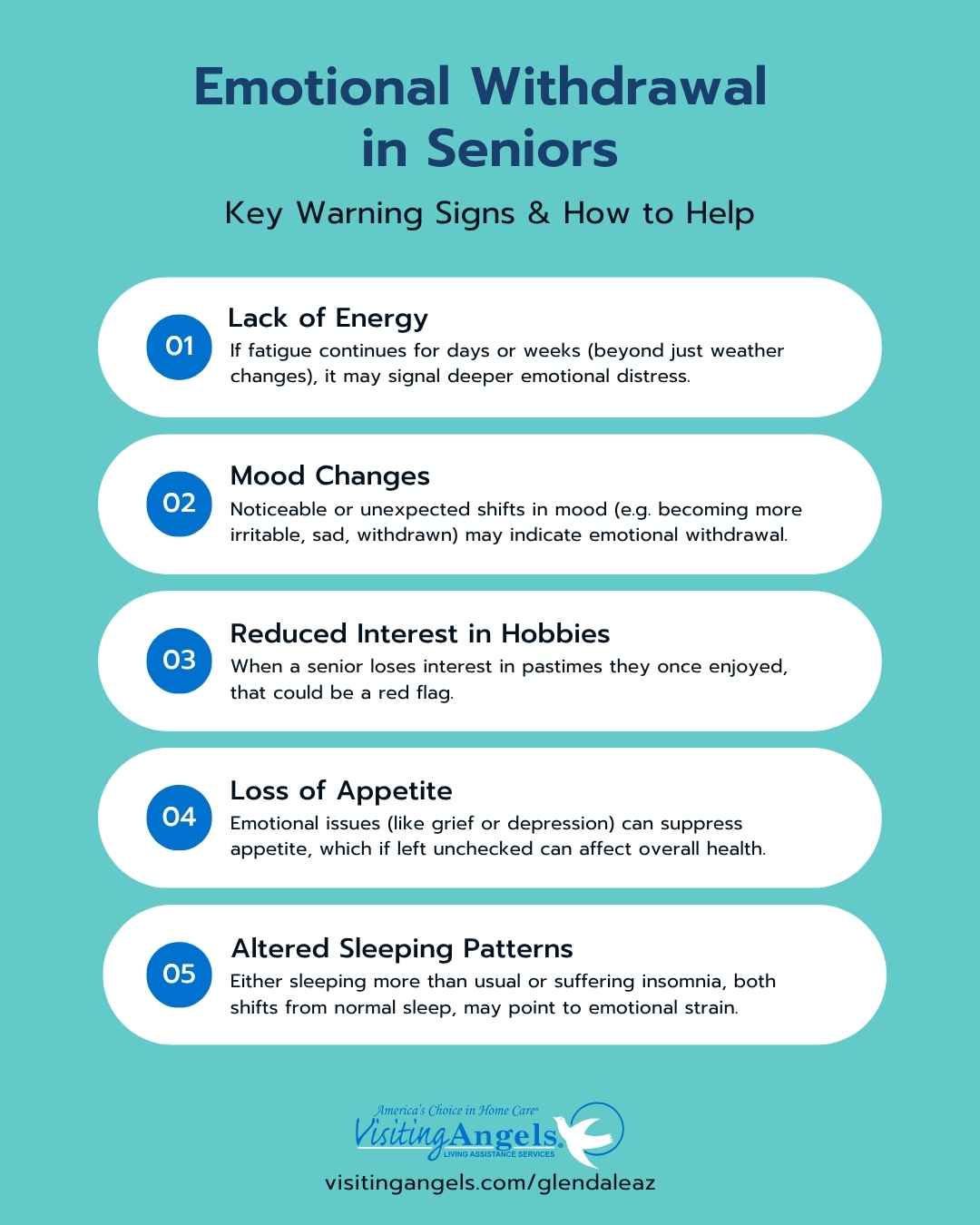
The individual may close their eyes for extended periods or appear unresponsive to touch and sound. This inward focus signals the mind disengaging from the external world as consciousness fades. It is a natural part of the dying process, not suffering. Sitting quietly nearby, holding a hand, or playing soft music offers companionship. Your steady presence provides comfort even when they cannot reciprocate verbally.
Understanding the Stages of Lewy Body Dementia
Lewy body dementia (LBD) progresses differently than Alzheimer’s disease. While Alzheimer’s typically begins with memory loss, LBD often starts with visual hallucinations, sleep disturbances, and movement issues that resemble Parkinson’s disease. Recognizing these early signs helps caregivers distinguish LBD from other forms of dementia and prepare for the specific challenges ahead.
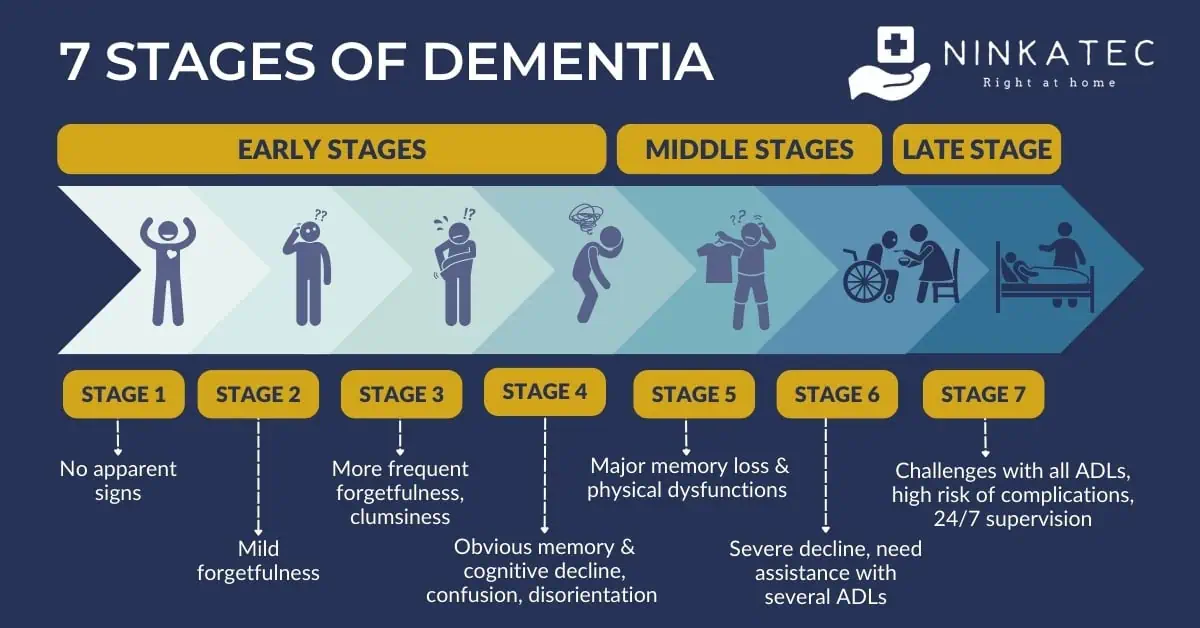
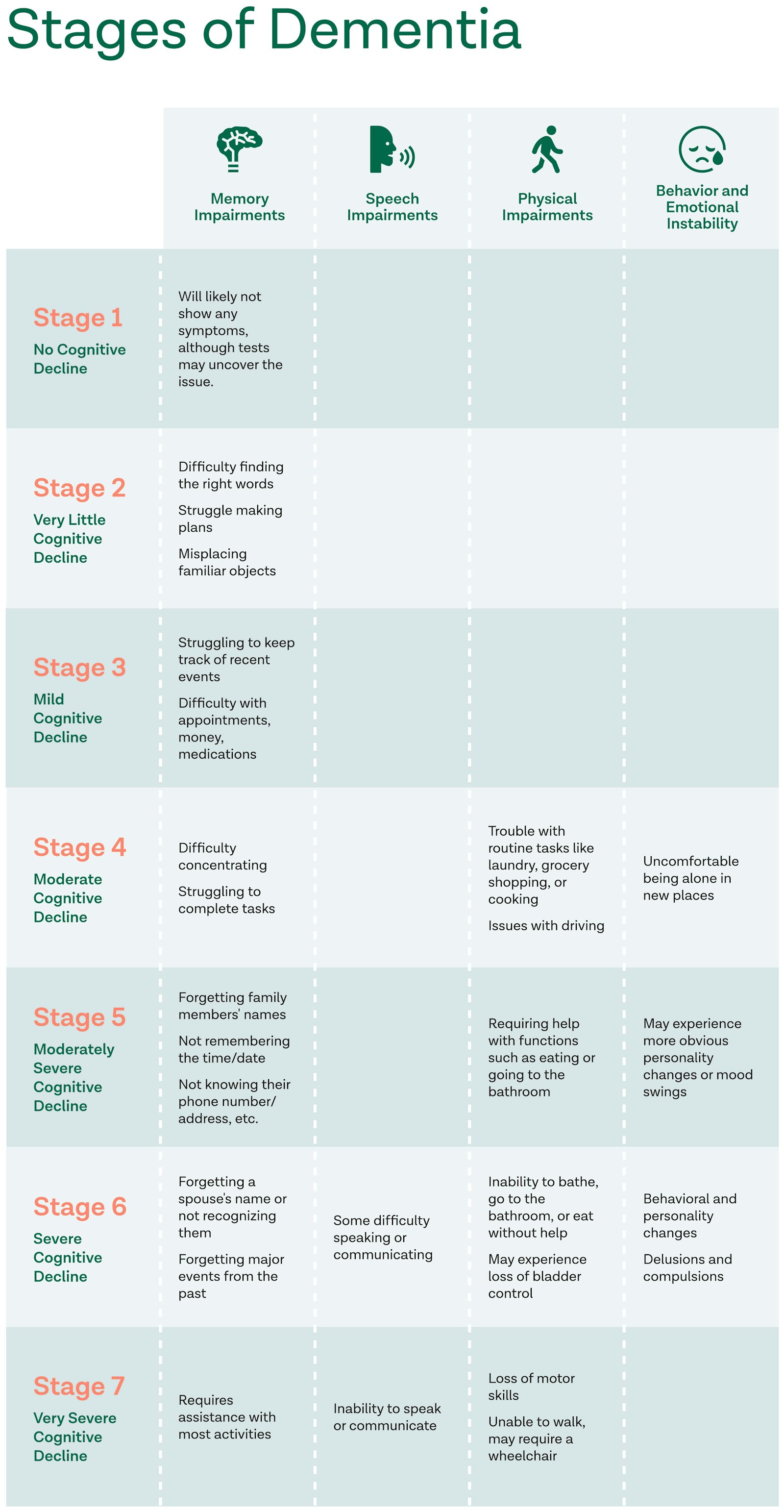
The disease generally unfolds across seven stages, moving from mild cognitive impairment to severe decline. In the early stages, individuals may experience subtle changes in attention and visual-spatial abilities. They might struggle with complex tasks or notice fluctuations in alertness. These symptoms are often mistaken for normal aging or stress, delaying diagnosis.
As the disease advances, cognitive and physical symptoms worsen. Mid-stage LBD brings more pronounced memory loss, increased confusion, and significant movement problems. Caregivers often need to assist with daily activities like dressing and bathing. In the late stages, individuals require full-time care, losing the ability to communicate verbally and control bodily functions.
Creating a safe home environment
Managing Dementia works best as a clear sequence: define the constraint, compare the realistic options, test the tradeoff, and choose the path with the fewest hidden costs. That order keeps the advice usable instead of decorative. After each step, pause long enough to check whether the recommendation still fits the reader's actual situation. If it depends on perfect timing, unusual access, or a best-case budget, include a simpler fallback.


Establish a consistent daily routine
For someone with Lewy body dementia (LBD), predictability is a powerful tool against anxiety. The brain’s ability to process new information fades, but it retains the comfort of habit. When meals, medications, and activities happen at the same time each day, the person is less likely to experience the confusion that triggers agitation or hallucinations.
Start by anchoring the day with fixed times for waking, eating, and resting. Consistency helps regulate the body’s internal clock, which often becomes disrupted in LBD, potentially worsening sleep disturbances and daytime confusion. Simple tasks like dressing or bathing become less daunting when they are familiar rituals rather than daily surprises.
Use visual cues to support this structure. A large, easy-to-read calendar or a simple checklist can help guide the person through their day without constant verbal reminders. This reduces the cognitive load for both the caregiver and the person with dementia, creating a calmer environment. Keep activities gentle and familiar, avoiding overstimulation that can lead to distress.
Keep bathing, dressing, and eating at the same time each day. This predictability reduces anxiety and confusion, especially for those with movement issues or hallucinations common in LBD. Consistency helps the body know what to expect, lowering stress levels.
Provide a simple daily schedule or checklist. Visual cues help the person navigate their day without constant verbal prompting, which can be overwhelming. This supports autonomy and reduces the frustration that comes from forgetting tasks.
Engage in activities the person enjoys, such as listening to music or looking at photos, at the same time each day. Avoid overstimulating environments. Gentle routines help maintain engagement without triggering agitation or confusion.
For more detailed strategies, the Alzheimer’s Association offers comprehensive resources on creating supportive environments. Their guidelines emphasize that small, consistent adjustments can significantly improve quality of life for both the person with dementia and their caregivers. Remember, flexibility is still important; if a routine causes distress, adjust it gently rather than forcing compliance.
Communicate with clarity to reduce agitation
Lewy body dementia often brings visual hallucinations and physical stiffness that make conversation difficult. When a person sees something you cannot see, arguing with reality only increases fear. Instead, validate their feelings and gently redirect the conversation to a calm, familiar topic. This approach lowers stress for both of you.
Move slowly and speak in short, simple sentences. Use a calm tone and relaxed facial expressions, as people with dementia are highly sensitive to non-verbal cues. If the person has Parkinsonism-related stiffness, give them extra time to process your words and respond. Avoid asking questions that require complex memory recall, which can cause frustration.
Focus on connection rather than correction. If they misremember a fact, let it go. Engage in shared activities like listening to music or folding laundry, which require less verbal precision. Maintaining eye contact and using gentle touch can also help ground them when they feel confused or anxious.

No comments yet. Be the first to share your thoughts!