
10 Signs Death Is Near Dementia: A Compassionate Care Guide
As dementia progresses, the body begins to shut down, signaling that end-of-life care is approaching. Recognizing these concrete physical changes allows you to provide compassionate comfort and ensure your loved one’s final days are peaceful and dignified.
1. Decreased appetite and fluid intake
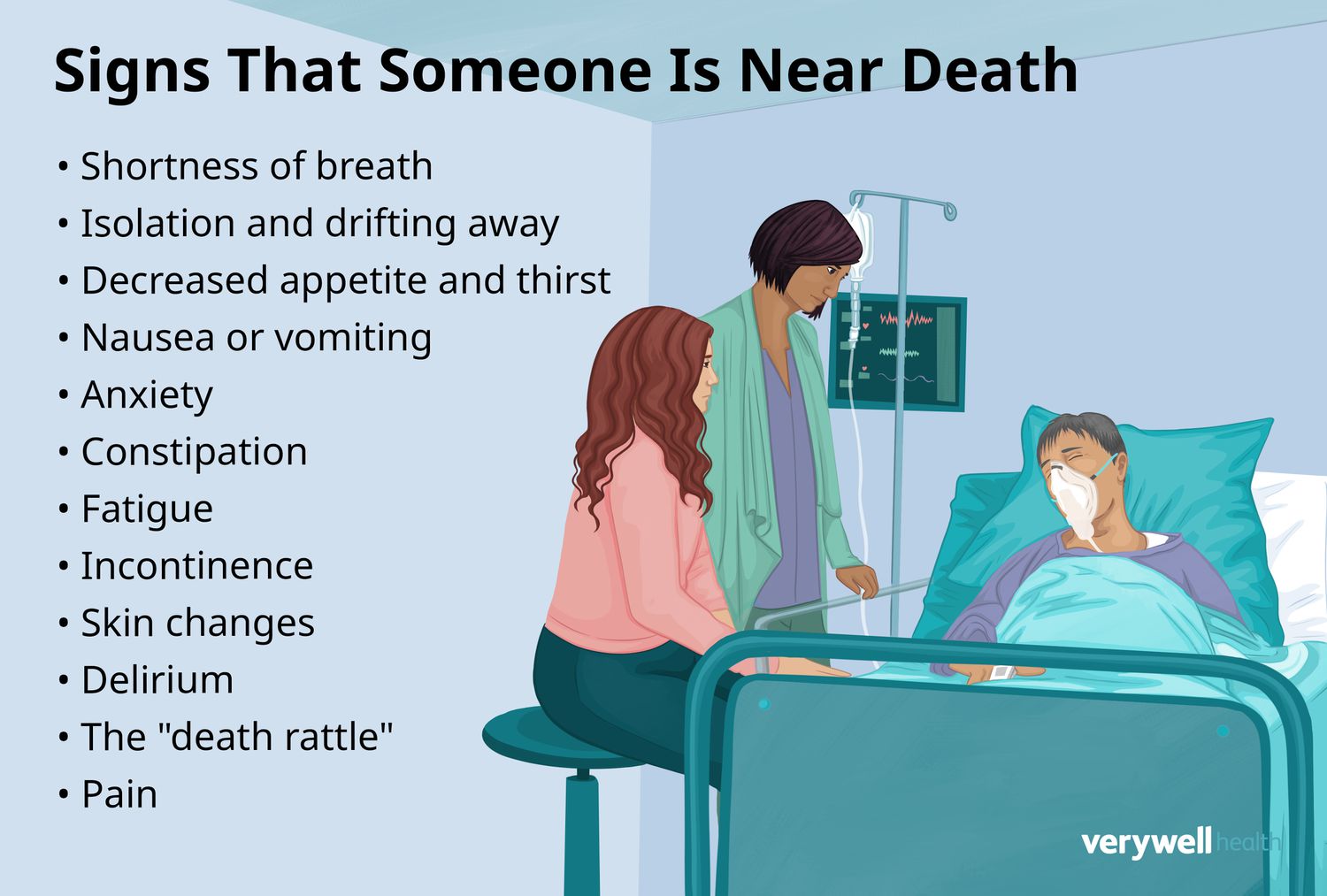
As the body prepares to shut down, the digestive system slows significantly, making hunger signals disappear. Forcing food can cause discomfort or choking, so focus on offering small sips of water or ice chips if the person is awake. This natural reduction in intake is not suffering but a gentle letting go. Keep the mouth moist with swabs to prevent dryness, ensuring comfort without the pressure of a full meal.
2. Increased sleep and reduced consciousness

Your loved one will likely spend more time sleeping and become harder to wake. This transition into a coma-like state is the body conserving energy for essential functions. Continue to speak calmly and hold their hand, as hearing often remains intact even when consciousness fades. This deep rest is a natural part of the dying process, allowing them to detach gently from the physical world while feeling your presence.
3. Changes in breathing patterns

Breathing may become irregular, with long pauses between breaths or a rattling sound caused by fluid buildup. This "death rattle" is not painful for the person but can be distressing for caregivers. Repositioning the head slightly can help clear secretions. Stay calm and reassure the family that these sounds are natural. Simple interventions like lowering the head of the bed often provide the most comfort during these changes.
4. Coolness in hands and feet

Blood flow redirects to vital organs, causing hands and feet to feel cool or look blotchy and purple. This mottling is a sign that circulation is slowing. Cover limbs with light blankets to maintain warmth and comfort. Avoid placing hot water bottles directly on the skin, as sensation may be diminished. This physical cooling is a gentle signal that the body is winding down its external functions.
5. Confusion and restlessness

Some individuals experience terminal agitation, appearing anxious or trying to pull at tubes. This may stem from hallucinations or physical discomfort. Speak in a soothing voice and ensure the environment is quiet and familiar. Gentle touch can be grounding. Consult hospice nurses for possible medication adjustments if restlessness causes distress. This behavior is often temporary and manageable with compassionate, calm support from loved ones.
6. Loss of bladder and bowel control

The body’s sphincter muscles relax as energy reserves deplete, leading to involuntary loss of bladder and bowel control. This is a natural physiological shutdown, not a failure of care. Focus on gentle hygiene and frequent changes to keep the skin dry and prevent irritation. Dignity remains intact through quiet, respectful handling. Comfort is prioritized over containment, allowing the person to rest without physical discomfort from soiling.
7. Difficulty swallowing liquids
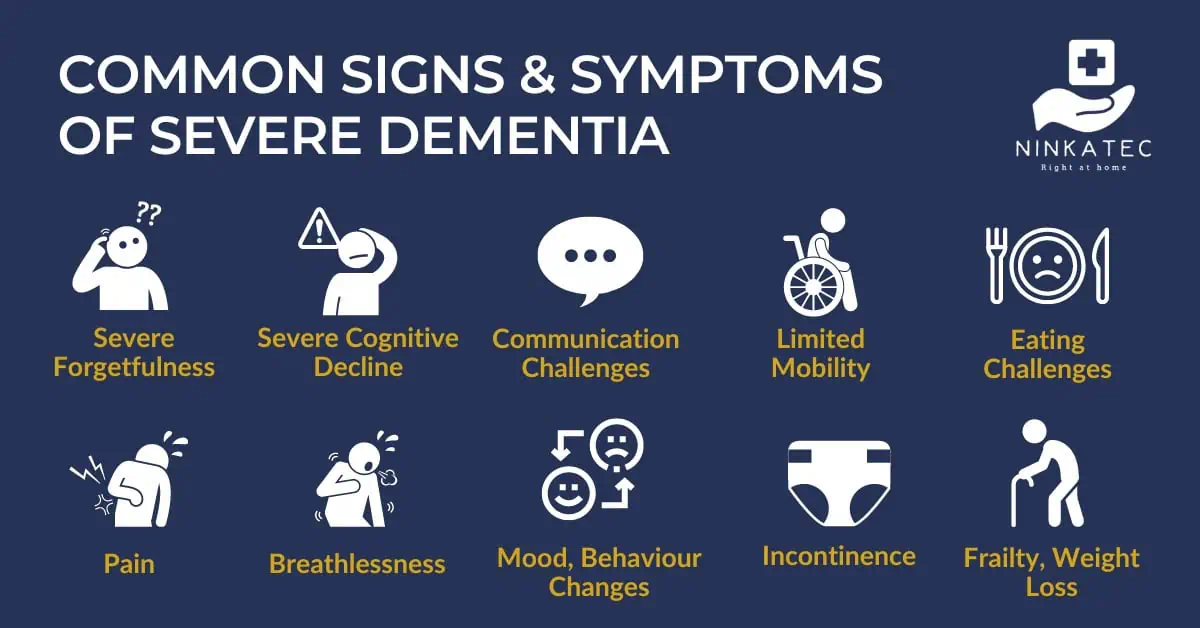
Swallowing reflexes weaken, making it unsafe to offer fluids or food by mouth due to aspiration risks. Forcing intake can cause choking or pneumonia. Instead, offer small, frequent moistening of the lips and mouth with damp sponges or ice chips to prevent dryness. This simple act provides comfort and hydration without the danger of aspiration. Observe for signs of thirst, but respect the body’s reduced need for intake.
8. Withdrawal from social interaction
The individual may turn inward, ignoring visitors or failing to respond to familiar voices. This withdrawal is not rejection but a necessary conservation of energy as the brain processes less external stimuli. Continue to sit quietly nearby, offering a gentle touch or soft music. Your presence is felt even if they do not react. This inward journey is a peaceful separation, allowing them to detach from the physical world at their own pace.
9. Weakness and inability to move
Muscle strength diminishes significantly, often rendering the person bedbound and unable to reposition themselves. This profound weakness is part of the body’s final shutdown. Perform gentle range-of-motion exercises to prevent stiffness and ensure frequent, careful repositioning to avoid pressure sores. Use soft pillows for support. This physical stillness is not distressing to the patient but requires attentive care from you to maintain comfort and skin integrity.
10. Agitation or vocalizations
Terminal agitation may manifest as moaning, calling out, or restlessness, often stemming from unexpressed discomfort or confusion. Check for simple causes like pain, full bladder, or temperature changes before assuming distress. Speak calmly, hold their hand, and reduce environmental noise. These vocalizations are often a final expression of need. Reassure them with a steady presence, knowing that hospice can manage severe agitation with appropriate medication if necessary.
Preparing for the Final Stage of Dementia
Recognizing that a loved one with dementia is nearing the end of life is one of the hardest transitions for a caregiver. This phase often arrives quietly, marked by a shift in physical presence rather than sudden dramatic events. Understanding these changes helps you move from worry to practical, compassionate care, ensuring comfort remains the priority.
The signs of approaching death in dementia are physical and behavioral. They mirror the body’s natural slowing down as it prepares to rest. While every person’s journey is unique, certain patterns emerge consistently. By knowing what to expect, you can anticipate needs before they become crises, reducing anxiety for both you and your loved one.
This guide outlines 10 common signs that indicate the final stage is near. These include significant weight loss, increased sleep, difficulty swallowing, and changes in breathing. We will also cover behavioral shifts like restlessness or withdrawal. Each sign is a cue to adjust care, not a failure of treatment. Our focus is on keeping your loved one comfortable, dignified, and surrounded by peace.
Providing comfort during the final days
As dementia progresses into its final stage, the focus shifts from treatment to pure comfort. Your role is to create a calm environment and address physical needs gently. Small, consistent actions can make a significant difference in how peaceful these last moments are for both the person and those caring for them.
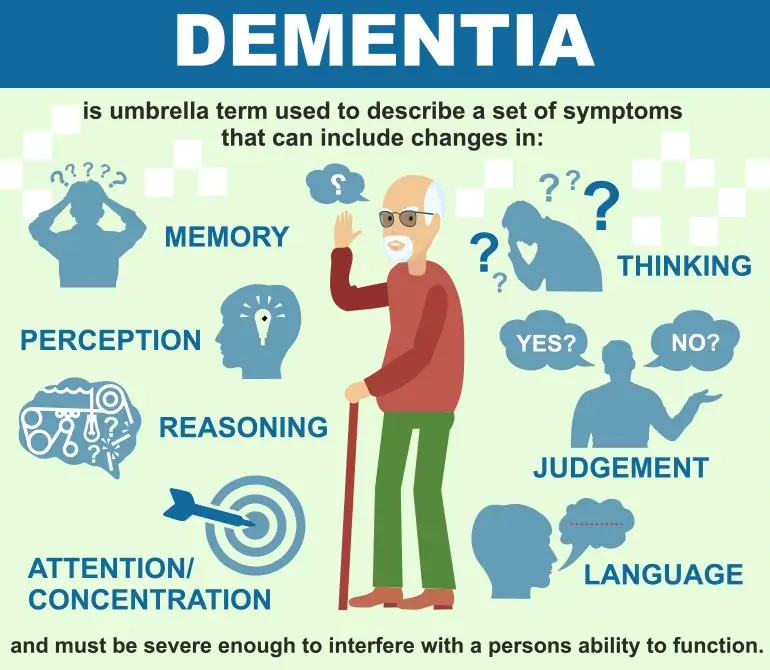
Swallowing reflexes weaken, leading to dry mouth. Use a moistened sponge or damp cloth to gently wet the lips and mouth every few hours. This prevents cracking and discomfort without risking aspiration, as you should never force fluids or food.
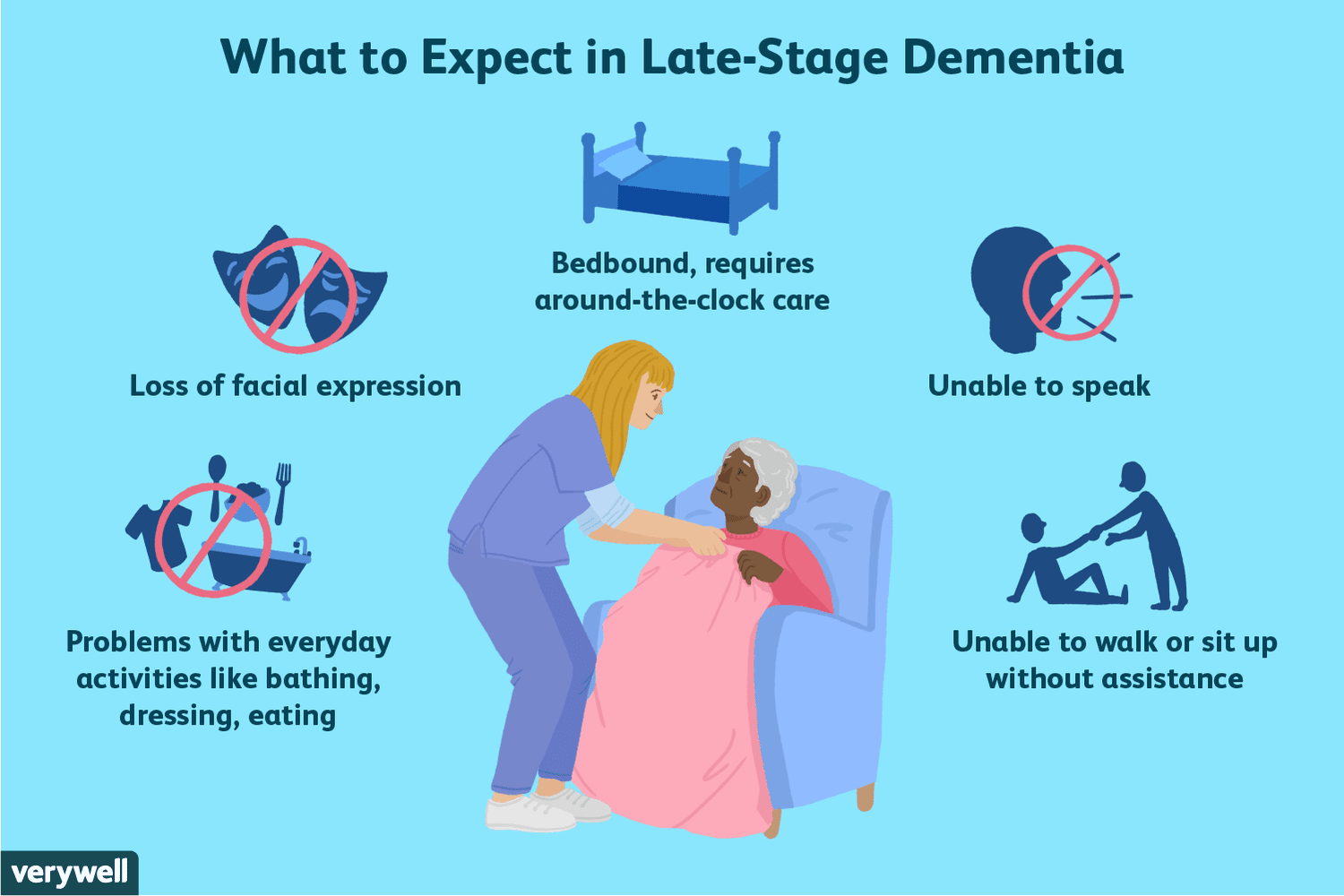
Reposition the person every two hours to prevent pressure sores and ease breathing. Use pillows to support the head, arms, and legs in a natural, relaxed posture. If breathing becomes noisy due to fluid accumulation, turning them onto their side can help clear the airway slightly.
Reduce noise and bright lights. Hearing is often the last sense to fade, so speak in a low, soothing voice even if the person appears unconscious. Play familiar, gentle music if it brings them peace, and limit the number of visitors to prevent overstimulation.
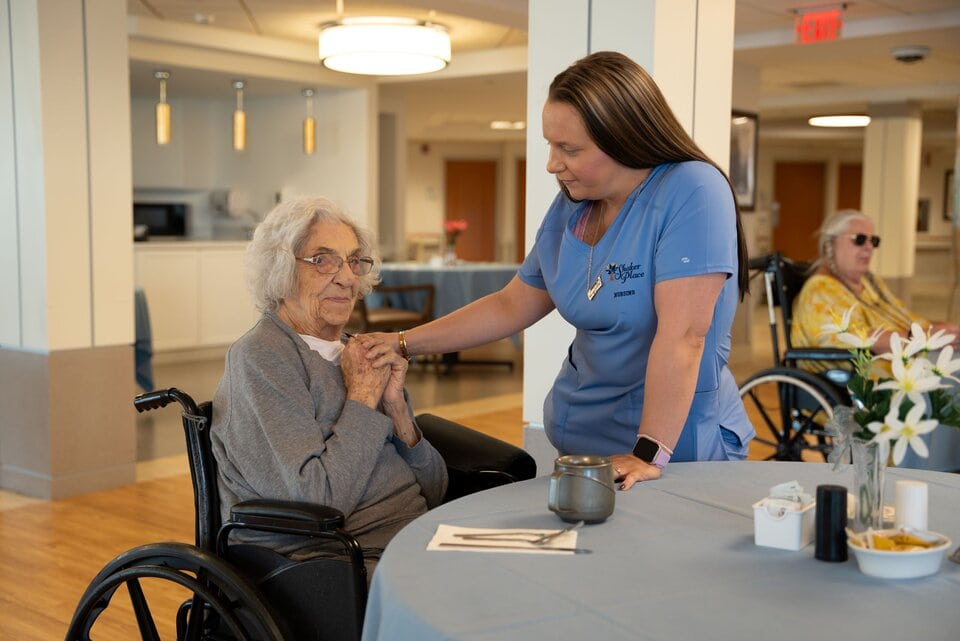
Watch for subtle signs of distress, such as grimacing, restlessness, or groaning, since the person may no longer be able to verbalize pain. Contact a hospice nurse or doctor immediately if you suspect discomfort so they can adjust medication to keep the person calm and pain-free.
Frequently asked questions about end-of-life dementia
Caregivers often face urgent, practical questions as a loved one enters the final stages of dementia. These answers focus on comfort, physical changes, and what to expect, helping you navigate this time with clarity and compassion.

No comments yet. Be the first to share your thoughts!