
7 Essential Strategies for Daily Care
Implementing these 7 essential strategies for daily care establishes a structured routine that supports cognitive function and safety. Grounded in clinical guidelines from the Alzheimer's Association and the CDC, this step-by-step approach prioritizes actionable tasks over abstract concepts.
-

Establish a predictable daily routine
Consistency reduces anxiety by creating a familiar rhythm. Align meals, medication, and rest with the person’s natural circadian patterns. Use visual cues like large clocks or labeled calendars to reinforce time awareness. A stable schedule minimizes confusion and agitation, allowing the individual to navigate their day with greater confidence and less stress. -

Create a safe home environment
Remove tripping hazards like loose rugs and clutter to prevent falls. Install grab bars in bathrooms and ensure adequate lighting in hallways and staircases. Secure cabinets containing cleaning supplies or sharp objects. These modifications create a secure space that promotes independence while minimizing the risk of injury, allowing the individual to move freely without constant supervision. -
Adapt communication techniques
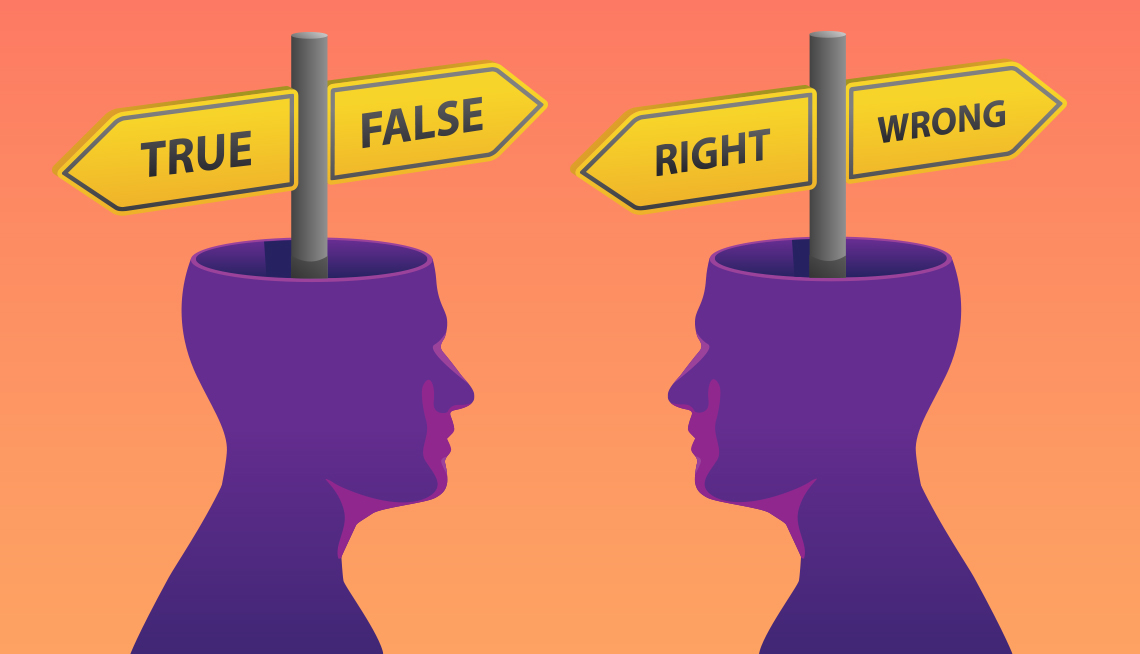
Use simple, short sentences and maintain eye contact to enhance understanding. Speak calmly and allow extra time for processing responses without interrupting. Non-verbal cues, such as gentle touch or facial expressions, often convey meaning more effectively than words alone. This approach reduces frustration for both the caregiver and the individual, fostering a more connected and respectful interaction during daily conversations. -

Manage behavioral changes calmly
Agitation or aggression often stems from unmet needs like pain, hunger, or fear. Identify triggers by observing patterns in behavior and adjust the environment accordingly. Respond with patience and reassurance rather than correction or argument. Validating their feelings helps de-escalate tension, creating a supportive atmosphere that respects their emotional state while maintaining safety and dignity for everyone involved. -
Encourage physical activity and exercise
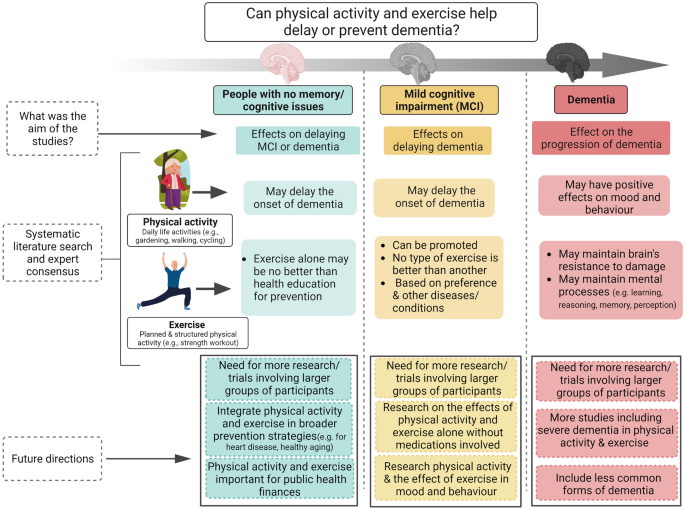
Regular movement improves mood, sleep quality, and physical health. Engage in gentle activities like walking, stretching, or seated exercises tailored to their ability level. Physical activity also helps reduce restlessness and agitation. Consistent exercise supports cognitive function and maintains mobility, empowering the individual to stay active and engaged in their daily life for as long as possible. -

Support nutrition and hydration
Monitor fluid intake closely, as dementia patients often forget to drink. Offer water frequently and include hydrating foods like fruits. Ensure meals are nutrient-dense and easy to chew to prevent weight loss. Use finger foods if utensils become difficult. Consistent hydration prevents urinary tract infections and confusion, directly supporting cognitive stability and overall physical health during daily care routines. -

Prioritize caregiver self-care
Caregiver burnout compromises patient safety. Schedule regular breaks and seek respite care services to maintain personal health. Join support groups to share strategies and reduce isolation. Recognize signs of stress early and adjust responsibilities accordingly. Sustainable care requires the caregiver to remain physically and emotionally resilient, ensuring consistent, high-quality support for the individual with dementia over the long term.
Common questions about managing dementia
Managing dementia involves adapting daily care to support independence and safety. The following answers address specific queries about routines, communication, and professional support, drawing on guidance from the Alzheimer’s Association and National Institute on Aging.
Work through to Managing Dementia
1
Gather what you need
Confirm the materials, tools, account access, or setup pieces for to Managing Dementia before changing anything.
2
Work in order
Complete one step at a time and verify the result before moving on. Most failed guides get confusing when two changes happen at once.
3
Check the finished result
Compare the outcome with the expected shape, connection, texture, or behavior, then adjust only the part that is actually off.

No comments yet. Be the first to share your thoughts!