
7 Stages of Lewy Body Dementia and Alzheimer's Care
This guide breaks down each phase with concrete, stage-specific examples to help you anticipate changes in memory, mobility, and behavior. By distinguishing between the two conditions, you can provide more targeted, compassionate support tailored to the unique challenges your loved one faces.
-
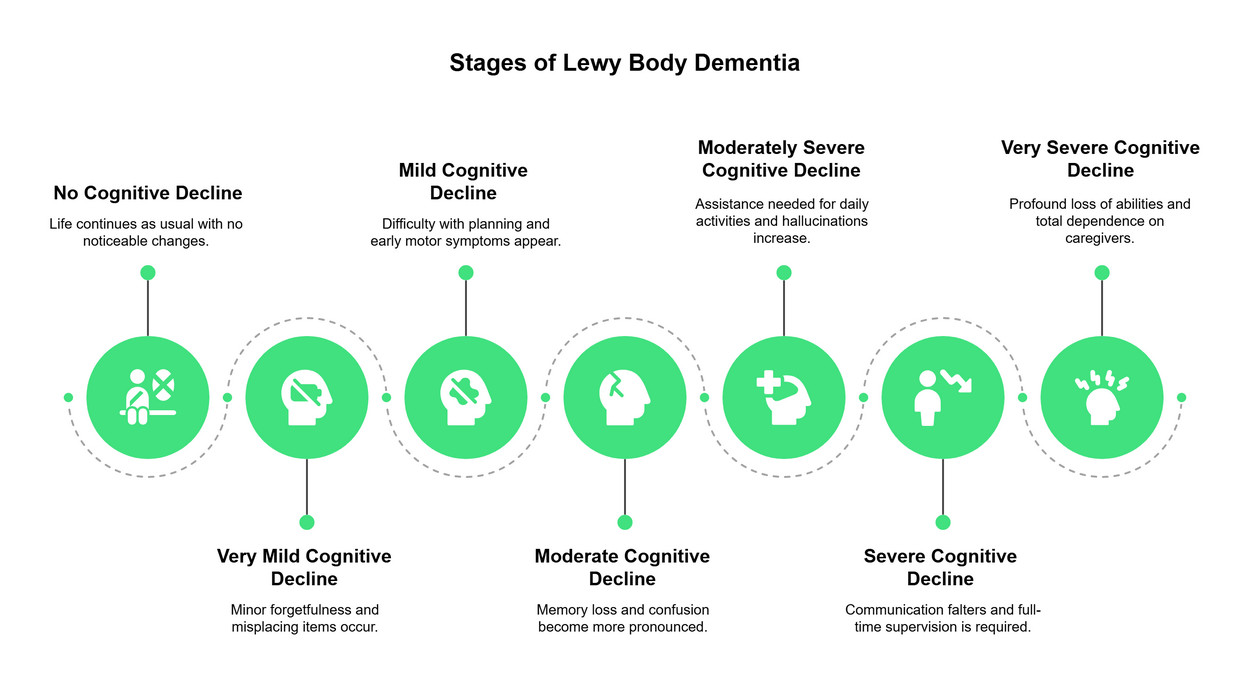
Early memory lapses and mild confusion
The journey often begins with subtle shifts, like forgetting recent conversations or misplacing items in unusual spots. Unlike typical aging, these lapses begin to interfere with familiar routines, such as struggling to follow a favorite recipe or manage finances. Caregivers may notice increased repetition in stories or mild disorientation in known environments. This stage requires gentle observation rather than immediate intervention, allowing the individual to maintain independence while safety nets are quietly established for future needs. -

Increasing need for daily assistance
As cognitive fog thickens, simple tasks become monumental hurdles. Dressing, bathing, and meal preparation require step-by-step guidance or direct help. Individuals may forget to eat or struggle with buttoning shirts. Unlike Alzheimer’s, where memory loss is primary, Lewy Body Dementia might introduce fluctuating alertness, making some days significantly harder than others. Caregivers must adapt by breaking tasks into smaller, manageable steps, offering patience and reassurance during moments of frustration and confusion. -
:max_bytes(150000):strip_icc()/difference-between-alzheimers-and-lewy-body-dementia-98749_final-8498478f530b4c499cd623b82ff806b7.jpg)
Emergence of visual hallucinations
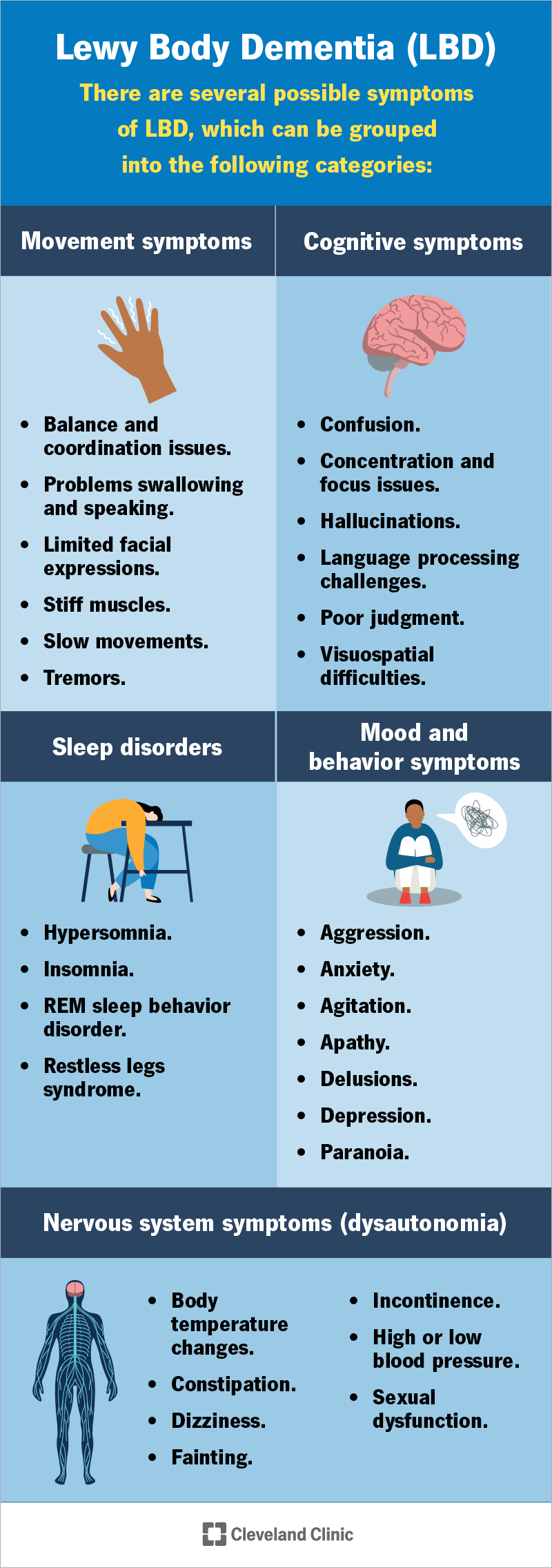
Distinct from Alzheimer’s, Lewy Body Dementia frequently brings vivid visual hallucinations, such as seeing people or animals that aren’t there. These experiences can be frightening for the individual but are not typically delusional in intent. Caregivers should avoid arguing about reality, instead offering calm reassurance and checking the environment for triggers like shadows or glare. Managing sleep disturbances alongside these visions is crucial, as poor sleep often exacerbates hallucinations and increases overall confusion and distress. -
Significant mobility and behavioral changes
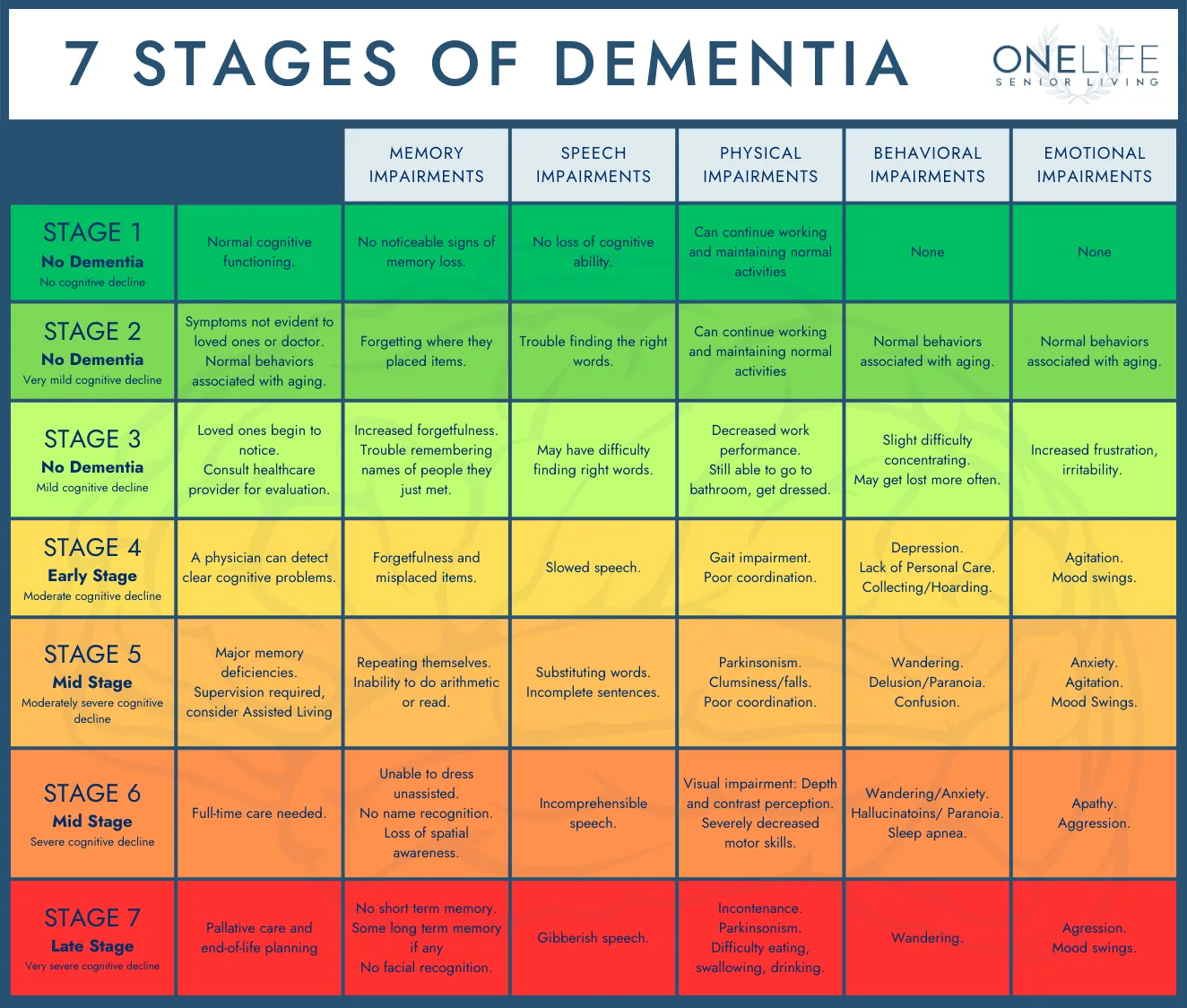
Parkinsonian symptoms like stiffness, shuffling gait, and balance issues become prominent, increasing fall risks. Behavioral changes, including agitation, anxiety, or aggression, often emerge alongside physical decline. These symptoms can be triggered by pain, infection, or environmental overstimulation. Caregivers must prioritize safety by modifying the home for fall prevention while addressing behavioral triggers with non-pharmacological strategies. Consistent routines and a calm environment help reduce agitation, supporting both physical safety and emotional well-being for the individual. -
Severe cognitive decline and isolation
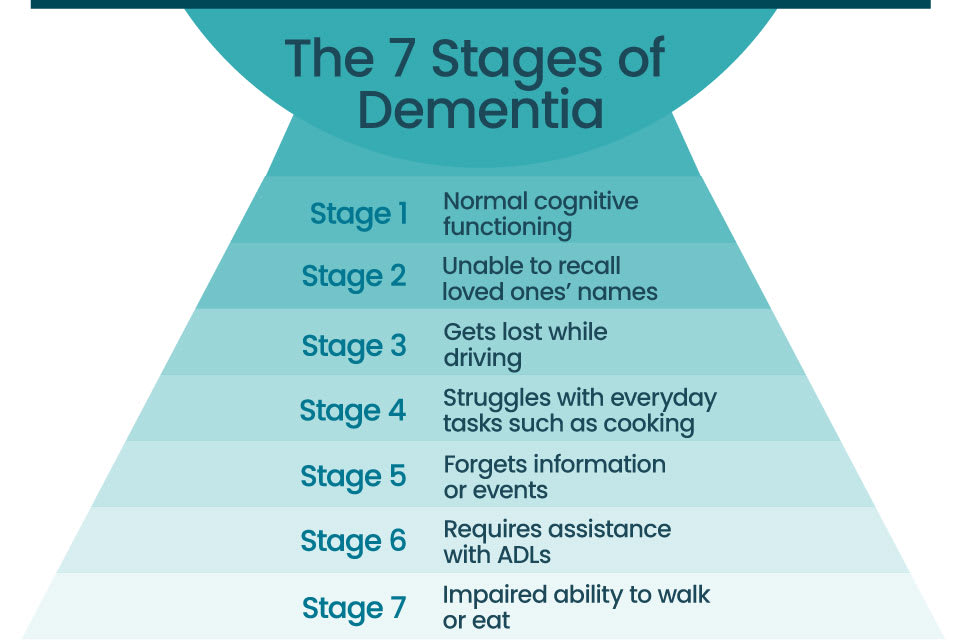
In this stage, verbal communication often diminishes to single words or silence, and physical care becomes intensive. Individuals may lose the ability to recognize close family members or perform basic self-care tasks. Social isolation increases as interaction becomes difficult. Caregivers focus on comfort, dignity, and sensory engagement through touch, music, or familiar scents. Regular health checks are vital to manage infections and pain, ensuring the individual remains as comfortable and connected as possible despite profound cognitive and physical limitations. -
Loss of verbal communication skills
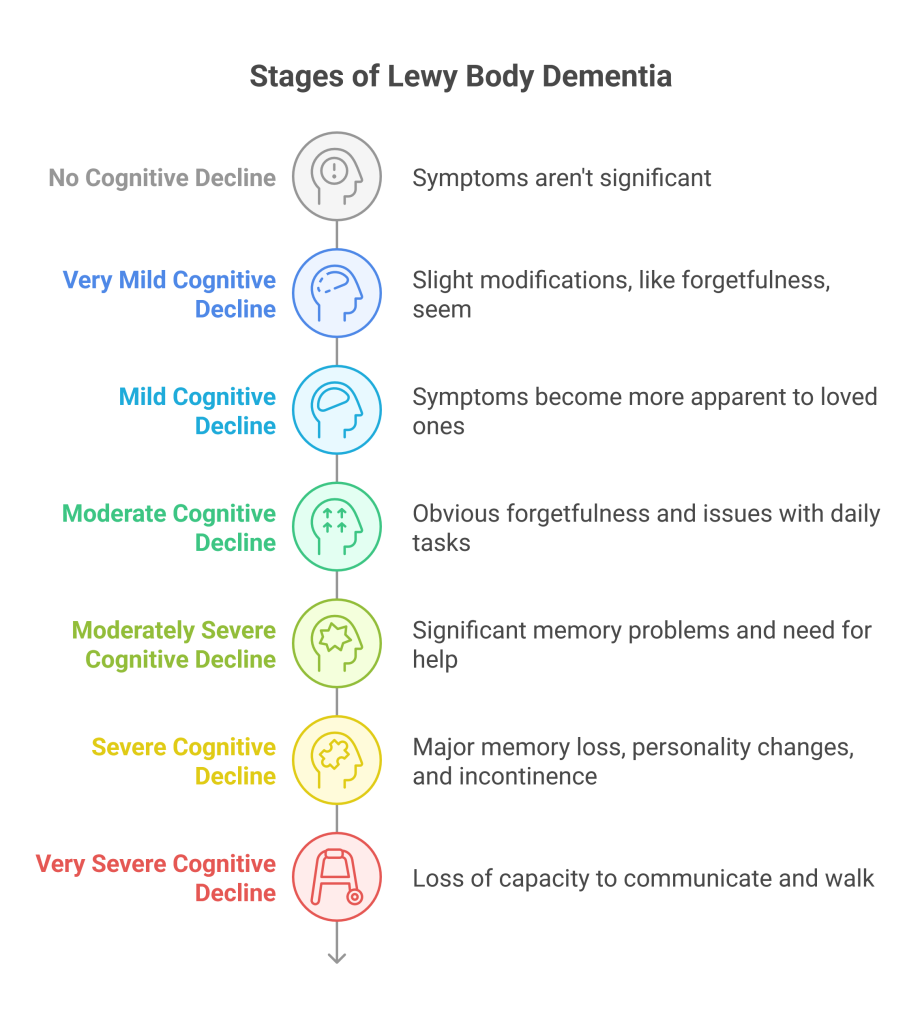
Words become elusive as neural pathways degrade, leaving frustration in their wake. A caregiver might notice short, fragmented sentences or complete silence during conversations. This stage demands patience, not correction. Use simple yes-or-no questions and rely on gentle touch or familiar music to bridge the gap. The goal shifts from exchanging information to maintaining emotional connection through presence rather than speech. -
End-of-life care and comfort measures
Focus shifts entirely from treatment to dignity and pain management. Swallowing difficulties require modified diets or feeding tubes, while immobility increases infection risks. Caregivers prioritize hygiene, positioning, and symptom relief. Hospice teams often assist here, ensuring the individual remains calm and free from distress. This phase honors the life lived, offering peace through attentive, compassionate support rather than medical intervention.
How dementia stages guide care, not just diagnosis
Thinking of dementia stages as a rigid medical timeline can create unnecessary anxiety. The Alzheimer\u2019s Association and National Institute on Aging define dementia as a syndrome\u2014a collection of symptoms severe enough to interfere with daily life\u2014rather than a single disease with a fixed clock alz.org. The seven-stage framework is best viewed as a map for care planning, helping you anticipate needs before a crisis occurs.
This distinction matters because progression varies widely. In Alzheimer\u2019s disease, the decline typically follows a linear path of memory loss, starting with short-term forgetfulness and moving toward a loss of basic physical functions. The focus here is largely cognitive decline.
Lewy Body Dementia (LBD) tells a different story. While memory issues appear, LBD is characterized by early fluctuations in alertness, visual hallucinations, and motor symptoms similar to Parkinson\u2019s disease. A person with LBD might be sharp one hour and confused the next, making the "stages" feel less like a steady slope and more like a series of unpredictable waves. Understanding these divergent paths allows caregivers to tailor support\u2014whether that means managing medication sensitivities in LBD or establishing safety routines for wandering in Alzheimer\u2019s.
Early signs and mild cognitive loss
In the earliest stage of dementia, memory lapses are often dismissed as normal aging. For someone with Alzheimer\u2019s, this typically looks like forgetting recent conversations or misplacing items in unusual spots. A spouse might repeat a question within minutes, unaware they already received an answer. These small gaps in short-term memory can be the first red flags that something is shifting beneath the surface.
Lewy Body Dementia (LBD) presents a different initial profile. While memory may remain relatively intact at first, visual and spatial issues emerge. A person might struggle to judge distances, bumping into doorframes or misjudging the depth of a step. They may also experience vivid visual hallucinations, seeing people or animals that aren\u2019t there. These perceptual changes can be frightening and are often mistaken for psychiatric issues rather than neurological decline.
Differentiating between the two conditions early on is vital for appropriate care. Alzheimer\u2019s primarily attacks the brain\u2019s memory centers, leading to a gradual erosion of recent events. LBD, however, affects the areas responsible for vision, movement, and cognition simultaneously. Recognizing these distinct early signs allows caregivers to seek the right medical guidance and support systems before symptoms escalate.
Caregiver checklist for each stage
Tracking changes helps you prepare for the next phase of care. Use this guide to monitor progress and adjust your support strategy as symptoms evolve. Focus on what the person can still do, rather than what they have lost.
Early stage: Mild cognitive decline
Focus on maintaining independence. Help organize medications and schedule appointments. For Alzheimer\u2019s, memory lapses are common; for Lewy Body Dementia, watch for visual hallucinations or fluctuations in alertness.
Middle stage: Moderate impairment
Safety becomes the priority. Install grab bars, remove tripping hazards, and consider GPS trackers if wandering begins. In Lewy Body Dementia, sensitivity to medications increases\u2014always consult a doctor before starting new prescriptions.
Late stage: Severe disability
Care shifts to full-time assistance with daily activities like bathing and feeding. Communication may become non-verbal. Use simple, calm language. For both conditions, focus on comfort, dignity, and emotional connection rather than correction.
Frequently asked questions about dementia stages
Caring for someone with dementia involves a complex journey where every person\u2019s path is unique. While the seven-stage framework provides a helpful map, the actual experience often varies significantly between Alzheimer\u2019s disease and Lewy Body Dementia (LBD). Understanding these differences can help you anticipate needs and adjust your care approach with greater confidence.
These questions highlight the importance of personalized care. By recognizing whether you are dealing with the memory-first decline of Alzheimer\u2019s or the physical and perceptual challenges of Lewy Body Dementia, you can better support your loved one through each phase.
Work through to Understanding Dementia




No comments yet. Be the first to share your thoughts!