
Early Signs and Mild Symptoms
In the first two stages of Lewy body dementia (LBD), symptoms are often subtle, mistaken for normal aging or stress. Stage 1 involves no noticeable cognitive deficits, though subtle sleep or mood changes may appear. Stage 2 marks very mild decline, such as forgetting familiar words or object locations. Early diagnosis is critical for timely intervention and establishing supportive routines.
10 Signs Death Is Near
Recognizing the transition to end-of-life in LBD requires distinguishing typical progression from physiological decline. This section outlines ten distinct, actionable signs that death is near, alongside the seven clinical stages, to help caregivers navigate this period with clarity and compassion.
-

Significant decline in mobility and walking
As dementia progresses, severe physical deterioration makes independent movement nearly impossible. This decline signals the body is conserving energy for vital functions. Caregivers should anticipate increased falls and the need for full assistance with transfers. Early adaptation to wheelchairs or walkers can prevent injury, while gentle range-of-motion exercises help maintain joint flexibility during this final stage of life. -

Increased frequency of infections
Recurrent infections, particularly pneumonia and urinary tract infections, indicate a failing immune system. Swallowing difficulties often lead to aspiration, where food or liquid enters the lungs. These infections are frequently the immediate cause of death in late-stage dementia. Vigilant hygiene and careful feeding techniques are essential, though medical intervention may focus on comfort rather than cure as the end approaches. -

Pronounced changes in eating habits
Appetite naturally diminishes as the body shuts down, leading to significant weight loss and difficulty swallowing. Patients may refuse food or forget how to chew. Forcing food can cause distress and aspiration risks. Instead, focus on small, frequent offerings of favorite foods and ensure proper hydration through sips or ice chips, prioritizing comfort and dignity over nutritional intake standards during this final phase. -

Extended periods of sleep or coma
As the brain slows, patients spend most of their time sleeping or in a semi-conscious state, eventually progressing toward unresponsiveness. This increased somnolence reflects reduced metabolic needs. Caregivers should maintain a calm environment and continue gentle touch to provide reassurance. Hearing often remains intact longer than other senses, so speaking softly and offering comfort remains meaningful even when the patient appears unconscious. -

Noticeable decrease in urine output
Kidney function declines significantly as circulation slows, resulting in darker, concentrated urine and reduced frequency. This oliguria indicates the body is conserving fluid for vital organs. Caregivers should monitor for signs of discomfort or skin breakdown due to incontinence, using protective barriers and frequent changes. While fluid intake may be limited to prevent swelling, ensuring the patient remains clean and dry is crucial for maintaining dignity. -

Development of Mottled Skin Patterns
As circulation slows near the end of life, blood flow redirects to vital organs, causing extremities to cool and develop blotchy, purple or blue discoloration known as mottling. This pattern often starts at the feet and knees, spreading upward as the heart’s pumping efficiency declines. Caregivers should handle the skin gently to prevent bruising on fragile tissue, recognizing this as a natural physiological shift rather than a painful symptom requiring intervention. -
Irregular or Labored Breathing
Breathing patterns often become erratic as metabolic demands decrease and muscle control weakens. You may notice periods of rapid breathing followed by long pauses, known as Cheyne-Stokes respiration, or a rattling sound caused by fluid accumulation in the throat. Keeping the head slightly elevated can ease discomfort, while the focus remains on maintaining a calm, quiet environment for the patient. -

Social Withdrawal and Isolation
The dying process often triggers a profound disengagement from the external world as energy reserves deplete. The individual may turn away from visitors, close their eyes frequently, and respond less to verbal cues, signaling a natural inward focus. While this can be emotionally difficult for family members, it is a necessary physiological step. Gentle presence and soft speaking are sufficient; aggressive attempts to engage may cause unnecessary distress. -

Loss of Ability to Swallow
Dysphagia, or difficulty swallowing, becomes common as throat muscles weaken and reflexes diminish. Patients may choke on saliva or food, making oral intake unsafe. Caregivers should stop offering solid foods and limit liquids to small, careful sips or moisten the mouth with swabs to prevent dryness. Relying on intravenous hydration is generally not recommended in the final days, as it can increase fluid buildup and respiratory congestion, causing more discomfort than benefit. -
Confusion Regarding Time and Place
Severe disorientation characterizes the final stages, where the individual loses track of time, location, and even familiar faces. They may speak of past events as if they are happening now or express fear about being in the wrong place. This cognitive fragmentation is part of the natural shutdown of brain function. Caregivers should respond with reassurance and validation rather than correction, focusing on emotional comfort and maintaining a sense of safety amidst the growing internal confusion.
Understanding Lewy Body Dementia Progression
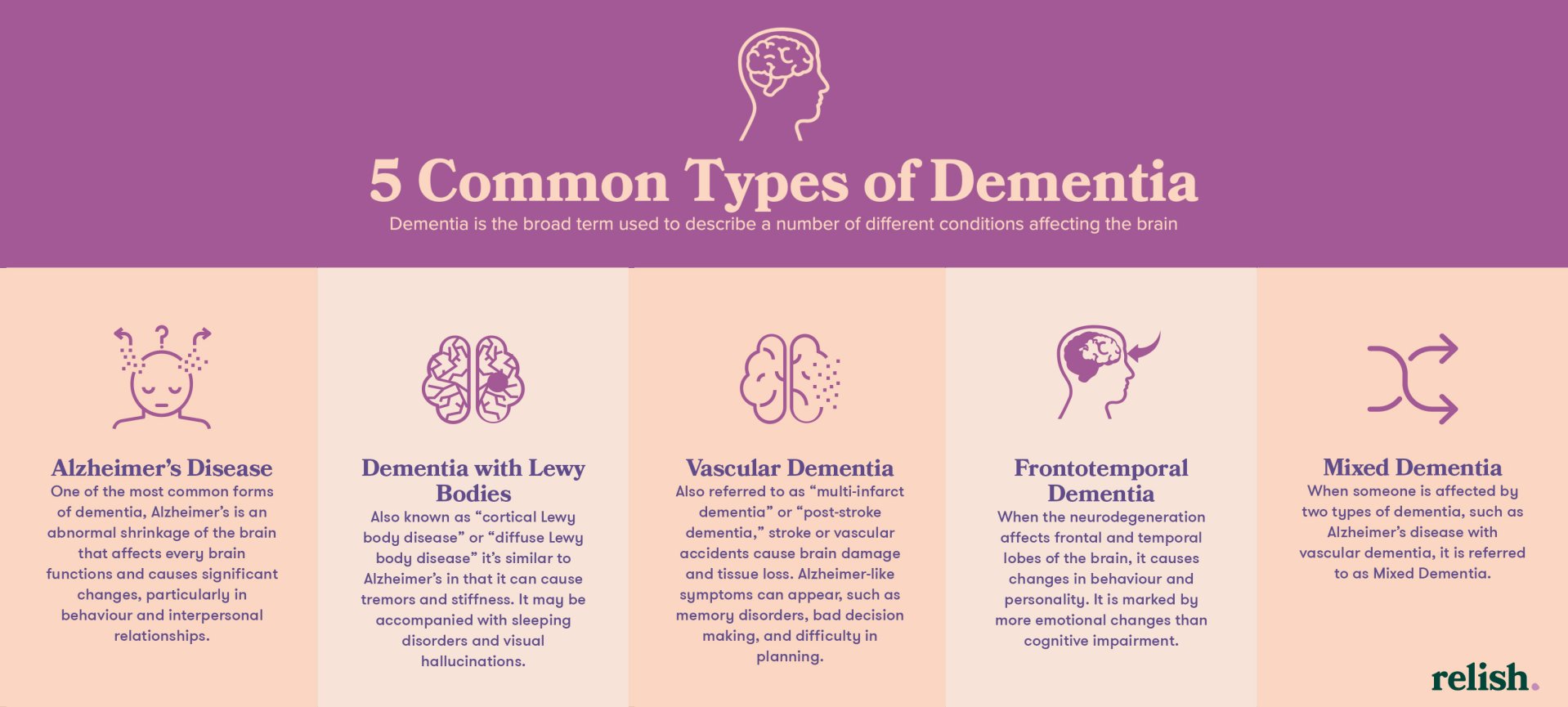
Lewy body dementia (LBD) is a progressive neurodegenerative disease affecting cognitive, physical, and behavioral functions. It is the second most common type of progressive dementia after Alzheimer’s disease. Unlike Alzheimer’s, which primarily impacts memory early on, LBD often presents with fluctuating symptoms, making recognition challenging.
The disease is characterized by abnormal protein deposits, called Lewy bodies, in the brain. These deposits disrupt normal functioning, leading to declines in thinking, reasoning, and independent function. The progression is not linear; some days may be better than others. Understanding this fluctuating nature is essential for managing expectations.
Cognitive shifts in LBD often include visual hallucinations and delusions. Physical symptoms, such as stiffness, tremors, and slow movement, may resemble Parkinson’s disease. Behavioral changes, including apathy, anxiety, and depression, are also common. These symptoms evolve over time, moving from mild impairment to severe disability. Recognizing these specific signs helps caregivers distinguish LBD from other forms of dementia.
Official sources like the Alzheimer’s Association and Mayo Clinic emphasize that early diagnosis and understanding the disease’s unique trajectory are critical for effective management. By focusing on specific cognitive, physical, and behavioral shifts, caregivers can better anticipate needs and maintain quality of life.
Stage 3 and 4: Navigating Moderate Dementia
Stages 3 and 4 represent the moderate phase of Lewy body dementia, where cognitive decline becomes clearly visible and daily independence fades. In stage 3, memory loss is noticeable, and individuals may struggle with complex tasks like managing finances. By stage 4, symptoms intensify; patients often require assistance with instrumental activities of daily living, such as preparing meals, as executive function deteriorates.
During this transition, communication strategies become essential. People with dementia may experience word-finding difficulties or confusion about time and place. Caregivers can support them by speaking in short, clear sentences and allowing extra time for responses. Avoiding arguments over factual errors reduces distress, while focusing on the emotion behind the conversation preserves dignity and reduces agitation common in Lewy body dementia.
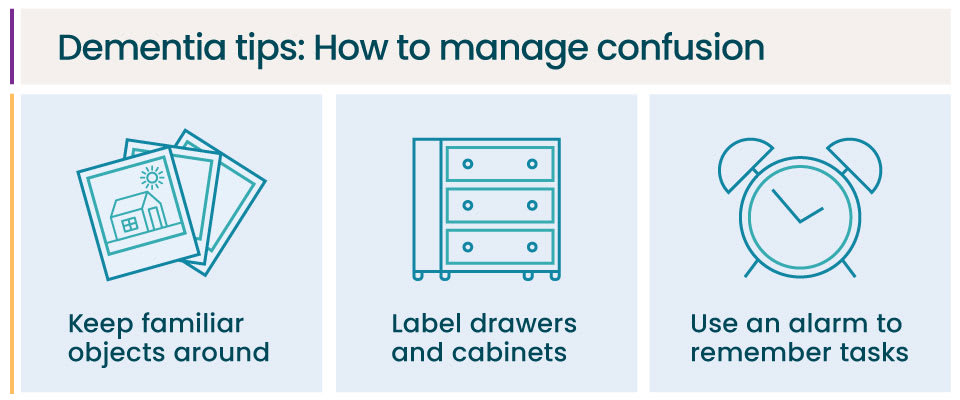
Establishing a predictable routine provides stability when internal clocks and memory fail. Keeping bathing, dressing, and eating at the same times each day reduces anxiety and decision fatigue. Simple aids like written to-do lists or labeled drawers can help compensate for memory gaps. These small adjustments create a supportive environment that acknowledges the changing needs of the person while respecting their remaining capabilities.
Stage 5 and 6: The Severe Decline
Stage 5 marks the transition to severe cognitive decline, where individuals can no longer perform basic activities of daily living without assistance. Memory loss becomes profound, often extending to gaps in recent life events. Physical symptoms begin to emerge, including significant weight loss, incontinence, and increased susceptibility to infections. Caregivers must shift to full-time support, managing medications, hygiene, and mobility to prevent falls and complications.
Stage 6 represents the very severe stage, characterized by a loss of verbal capacity and the need for round-the-clock care. Individuals may lose the ability to speak coherently, communicating only through sounds or single words. Personality changes can be drastic, with severe agitation, paranoia, or wandering behaviors that require strict safety measures. Sleep disturbances are common, often leading to "sundowning," where confusion and anxiety worsen in the late afternoon and evening.
Managing these stages requires a compassionate but clinical approach to physical decline and behavioral changes. According to the Lewy Body Dementia Association, validating emotions and using distraction techniques can help manage difficult behaviors without confrontation. Caregivers should focus on creating a calm, predictable environment to reduce anxiety. Regular medical check-ups are essential to address pain, infection, or other underlying issues that may exacerbate symptoms.
Stage 7: The Final Phase
Stage 7 represents the most advanced level of Lewy body dementia, marking a transition where the body begins to shut down. At this stage, individuals lose the ability to communicate verbally and require full-time assistance with all daily activities. The Mayo Clinic notes that this phase is characterized by a significant decline in physical function, often leading to an inability to walk, sit up, or hold up the head without support.
Caregivers should prepare for profound changes in mobility and communication. The person may no longer speak or may only use a few words. Physical control diminishes, making swallowing difficult and increasing the risk of aspiration pneumonia, a common cause of death in late-stage dementia. While clinical signs like incontinence and muscle rigidity are expected, the primary focus shifts to comfort and dignity.
This stage bridges the gap between advanced dementia and end-of-life care. Families often notice that the person spends most of the day in bed or a chair. It is essential to monitor for signs of distress, such as restlessness or grimacing, even if the person cannot verbalize pain. Managing symptoms like agitation or sleep disturbances requires gentle, non-invasive strategies.
As the body weakens, nutritional intake typically decreases. Forcing food or fluid can cause discomfort or choking. Instead, offer small sips of water or ice chips if swallowing is safe. The goal is to keep the person clean, dry, and comfortable. Regular repositioning every two hours helps prevent pressure sores, which can develop rapidly when mobility is absent.
End-of-life signs become more prominent during this phase. Breathing patterns may change, with periods of rapid breaths followed by long pauses (Cheyne-Stokes respiration). Skin may become cool or mottled as circulation slows. These changes indicate that the body is preparing for the end. Families should consult with hospice or palliative care teams to manage these symptoms effectively and ensure a peaceful transition.
Comfort care strategies for the final stages
As Lewy body dementia progresses, the focus shifts from disease management to palliative care. The goal is to preserve dignity, minimize distress, and support the family through the end-of-life transition. According to the Mayo Clinic, effective care involves managing pain, reducing environmental triggers, and maintaining open communication with healthcare providers.

Regularly assess your loved one for signs of pain, such as grimacing, restlessness, or vocalizations. Work with a palliative care specialist to adjust medications. Non-pharmacological approaches, like gentle massage or warm compresses, can also provide relief without adding side effects.
Reduce sensory overload by lowering lights, minimizing background noise, and removing clutter. The UGA CARE Center recommends maintaining a consistent routine for bathing and eating to provide a sense of security and predictability in the final days.
Encourage family members to speak softly and maintain eye contact. Even if verbal response is limited, hearing often remains intact. Playing familiar music or holding hands can offer profound comfort and help the person feel connected and safe.
Supporting the Caregiver
Caring for someone with Lewy body dementia takes a significant toll on physical and mental health. Caregivers often face chronic stress, sleep deprivation, and social isolation, which can lead to burnout. Recognizing these signs early is essential for maintaining your own well-being while providing quality care.
Accessing Respite and Support
You do not have to manage this journey alone. Respite care services, whether through adult day programs or in-home assistance, provide necessary breaks. Organizations like the Alzheimer’s Association offer local support groups and online communities where you can share experiences and gain practical advice from others facing similar challenges. These resources help reduce feelings of isolation and provide emotional relief.
Prioritizing Your Health
Your health directly impacts the care you provide. Regular medical check-ups, adequate sleep, and stress management techniques are necessities. If you feel overwhelmed, speak with your doctor or a mental health professional. Seeking help is a sign of strength and ensures you can continue to support your loved one effectively.
Frequently asked questions about LBD end-of-life care


No comments yet. Be the first to share your thoughts!