
7 Stages of Lewy Body Dementia: A Caregiver’s Guide to Managing Symptoms
Understanding the distinct progression of Lewy body dementia empowers you to anticipate changes and adapt care strategies before they become crises. Unlike the gradual decline seen in Alzheimer’s, LBD symptoms fluctuate, requiring a nuanced approach to manage cognitive, physical, and behavioral challenges at every stage.
-

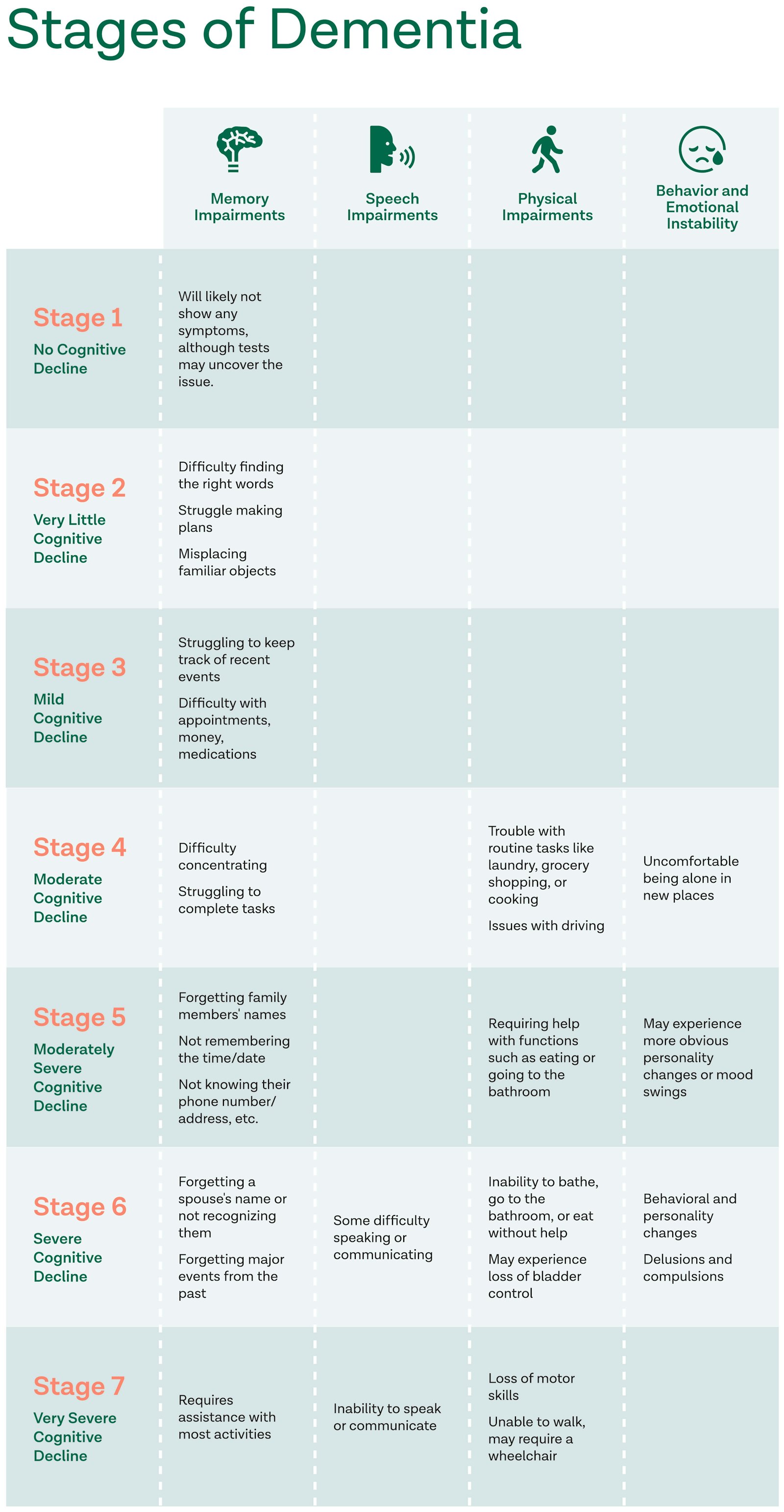
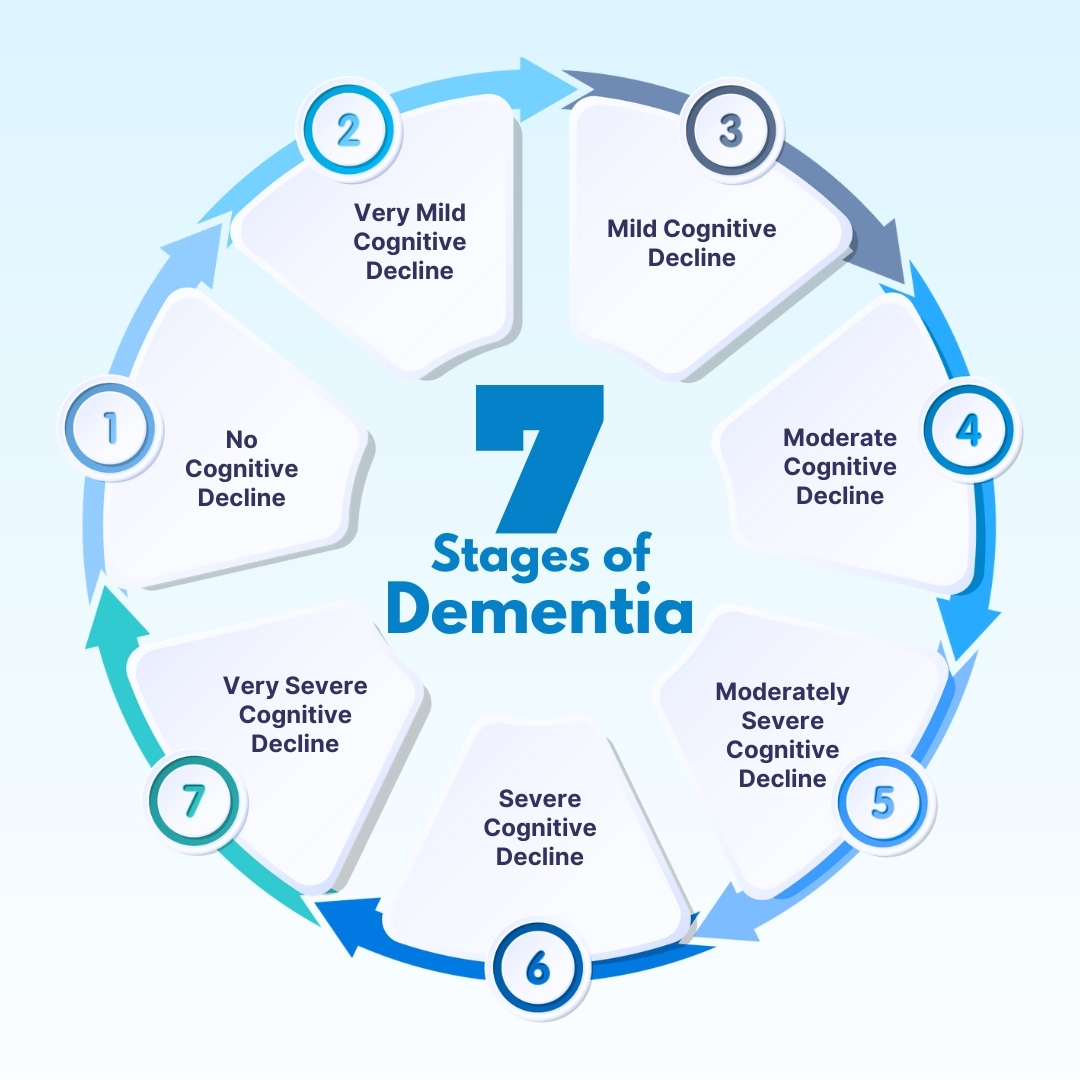
Stage 1: No noticeable cognitive decline
During this initial phase, individuals appear cognitively intact to friends and family. Memory lapses are rare, and daily routines remain unchallenged. While no clinical diagnosis is made, subtle changes in sleep patterns or mild anxiety might surface. Caregivers should remain observant without alarm, focusing on maintaining healthy habits. This period offers a window for open conversations about future care preferences while decision-making capacity remains fully intact. -
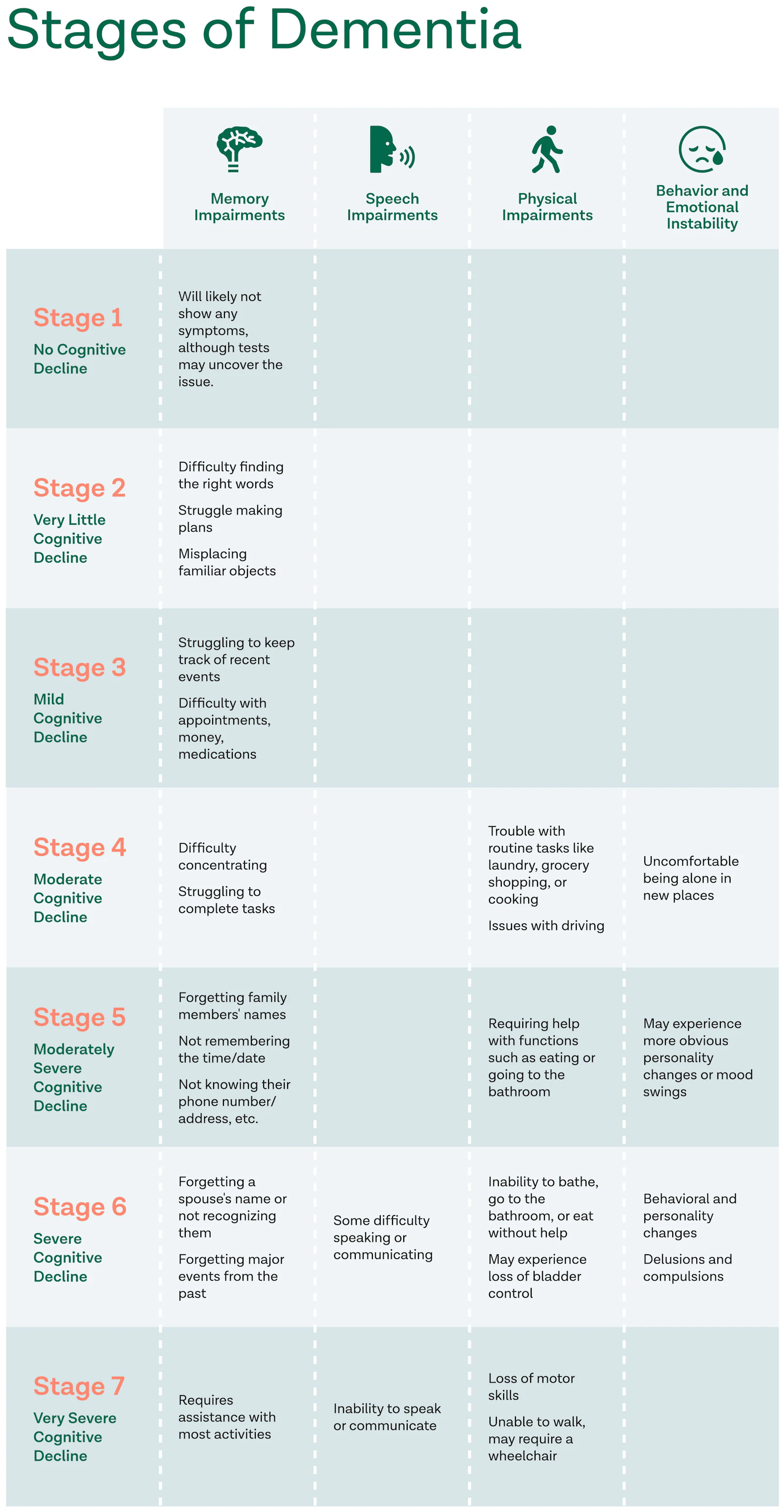
Stage 2: Very mild cognitive changes
Subtle memory gaps emerge, often dismissed as normal aging. Forgetting names or misplacing items becomes slightly more frequent but does not disrupt independence. Individuals may feel self-conscious about these minor slips. Caregivers should note these baseline changes to track progression later. Encouraging mental stimulation and social engagement helps maintain cognitive reserve, providing a buffer against the accelerating decline characteristic of Lewy body dementia’s early trajectory. -
Stage 3: Mild cognitive decline and motor signs
Cognitive difficulties become evident to close contacts, impacting complex tasks like managing finances. Crucially, motor symptoms such as stiffness, shuffling gait, or reduced arm swing may appear. These signs distinguish Lewy body dementia from Alzheimer’s early on. Caregivers should consult neurologists to differentiate between Parkinsonian features and cognitive slowing. Physical therapy can help maintain mobility, while safety assessments at home prevent falls related to balance issues. -
Stage 4: Moderate decline and hallucinations
Hallucinations, often visual, become prominent, causing significant distress for both patient and caregiver. Cognitive deficits worsen, requiring assistance with daily activities like dressing or bathing. Individuals may become paranoid or suspicious due to misinterpretation of surroundings. Caregivers must prioritize safety and emotional support, avoiding arguments about hallucinations. Medical review is essential to manage symptoms with appropriate medications, ensuring that treatments do not exacerbate motor or cognitive issues. -
Stage 5: Moderately severe cognitive decline
Memory loss deepens, and individuals may forget personal history or struggle with basic language. Assistance is needed for most daily activities, including feeding and hygiene. Mobility often declines, increasing fall risk and dependency. Caregivers should focus on comfort, routine, and non-verbal communication. Structured environments reduce agitation. This stage requires robust support systems, as the disease significantly impacts quality of life and demands constant supervision to ensure physical safety and emotional well-being. -
Stage 6: Severe cognitive decline
Memory loss becomes profound, often requiring full-time assistance for daily activities. Caregivers manage incontinence, significant personality changes, and intense paranoia. Patients may forget their own names or recent events entirely. Safety risks escalate due to wandering or confusion. Consistent routines and gentle redirection help reduce agitation. Medical management focuses on comfort, minimizing distress from hallucinations, and preventing falls in the home environment. -
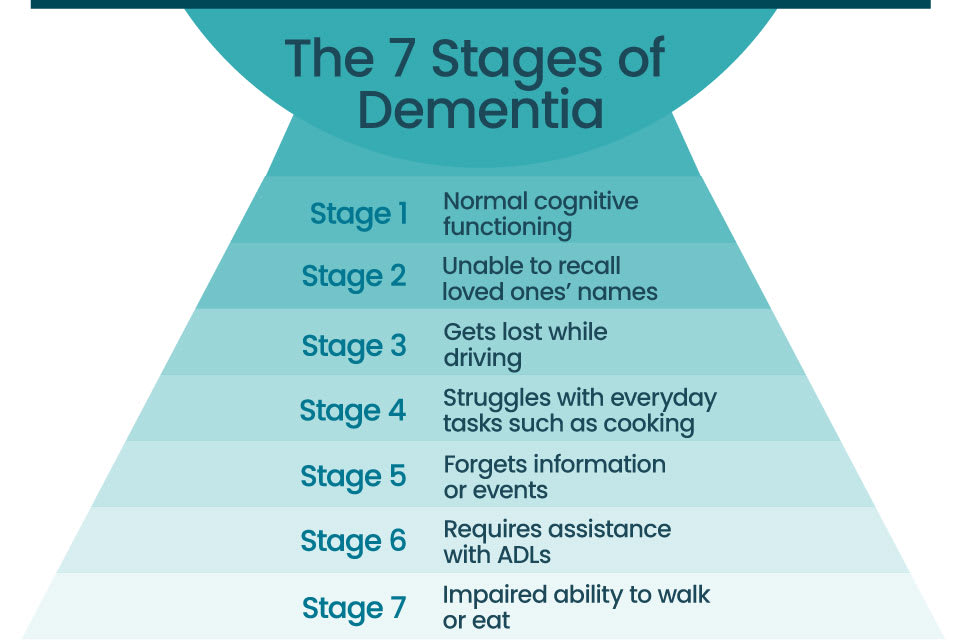
Stage 7: The final stage of LBD
In this terminal phase, patients lose the ability to communicate verbally and require constant physical care. Motor skills deteriorate significantly, leading to immobility and increased susceptibility to infections like pneumonia. Care shifts entirely to palliative support, focusing on dignity, pain management, and emotional presence for the family. This stage underscores the critical need for advance care planning and hospice resources to support both the patient and their loved ones through the end-of-life journey.
Recognizing early signs of Lewy Body Dementia
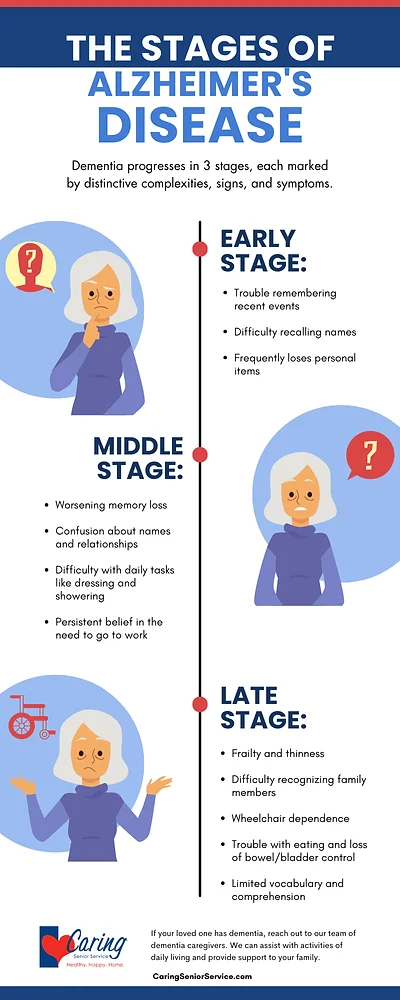
Spotting the early signs of Lewy Body Dementia (LBD) often feels like trying to solve a puzzle with missing pieces. Unlike Alzheimer’s, which typically presents as a steady decline in memory, LBD symptoms tend to fluctuate. One day a person might seem sharp and conversational; the next, they may struggle with clarity or movement. This unpredictability is what makes early detection so difficult for families.
The most common early indicators go beyond simple forgetfulness. Visual hallucinations—seeing people or animals that aren’t there—are a hallmark of LBD and often appear before significant memory loss. You might also notice small physical changes, such as a softer voice, a shuffling gait, or stiff muscles. These movement issues can mimic Parkinson’s disease, leading to frequent misdiagnosis.
Sleep disturbances are another critical early warning. Many people with LBD act out their dreams physically, kicking or punching while asleep. This REM sleep behavior disorder can precede cognitive symptoms by years. Because these signs overlap with normal aging or other conditions, keeping a detailed log of behaviors helps caregivers provide accurate information to doctors.
Understanding these early signals allows you to move from confusion to action. Early diagnosis doesn't cure the disease, but it opens doors to treatments that manage symptoms and improve quality of life. It also gives you time to plan for future care needs while the person with LBD can still participate in decisions.
Practical steps for managing LBD at home
Managing LBD at home requires a structured approach to safety and symptom control. Because symptoms fluctuate, rigid routines often fail. Instead, focus on adapting the environment to reduce confusion and physical risk.
Frequently asked questions about Lewy Body Dementia
Caregivers often seek clarity on what to expect as the disease progresses. Understanding the variability of Lewy body dementia (LBD) helps in planning for safety and comfort.

No comments yet. Be the first to share your thoughts!