
Start with 7 stages lewy body
Start 2026 guide: Understanding the 7 Stages of Lewy Body Dementia and What Families Need to Know with the constraint that matters most in real life: space, timing, budget, skill level, maintenance, or availability. That first constraint should shape the rest of the plan instead of appearing as an afterthought. Keep the first pass simple enough to verify. Compare the main options against the same criteria, remove choices that only work in ideal conditions, and save optional upgrades for later.
The simplest way to use this section is to write down the real constraint first, compare each option against it, and choose the path that still works outside ideal conditions.
7 2026 guide: Understanding the 7 Stages of Lewy Body Dementia and What Families Need to Know
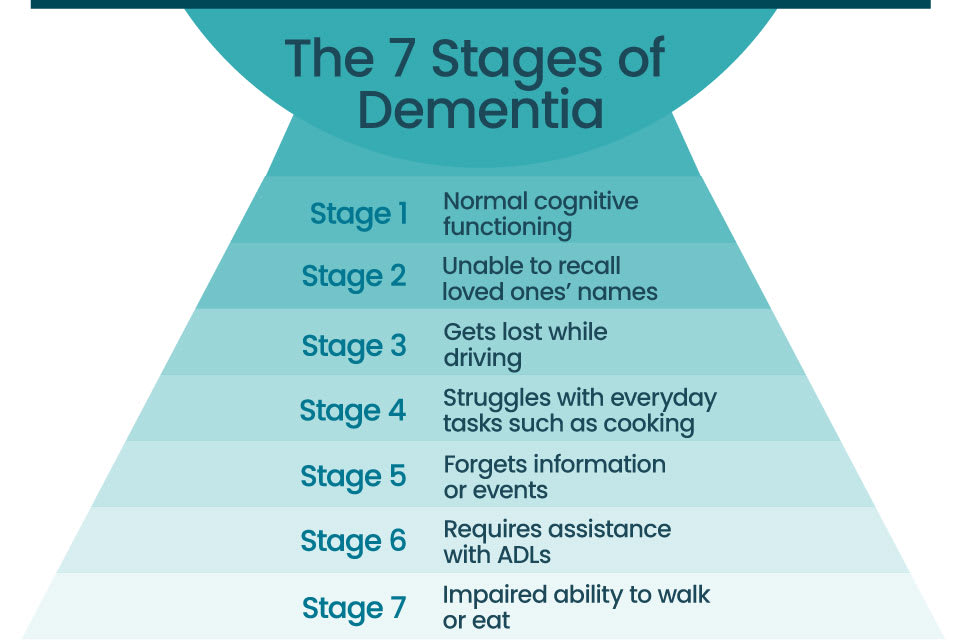
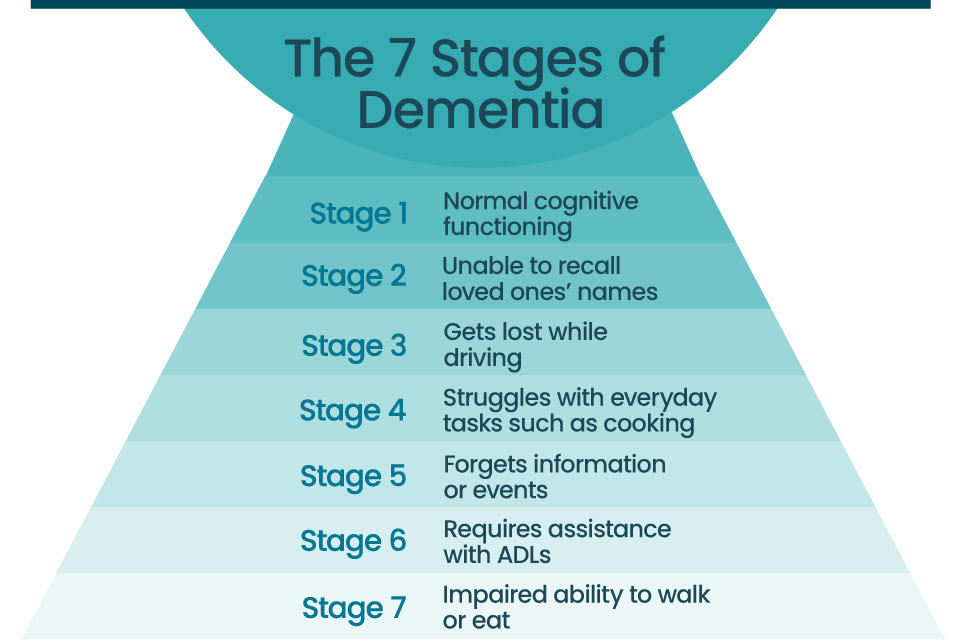
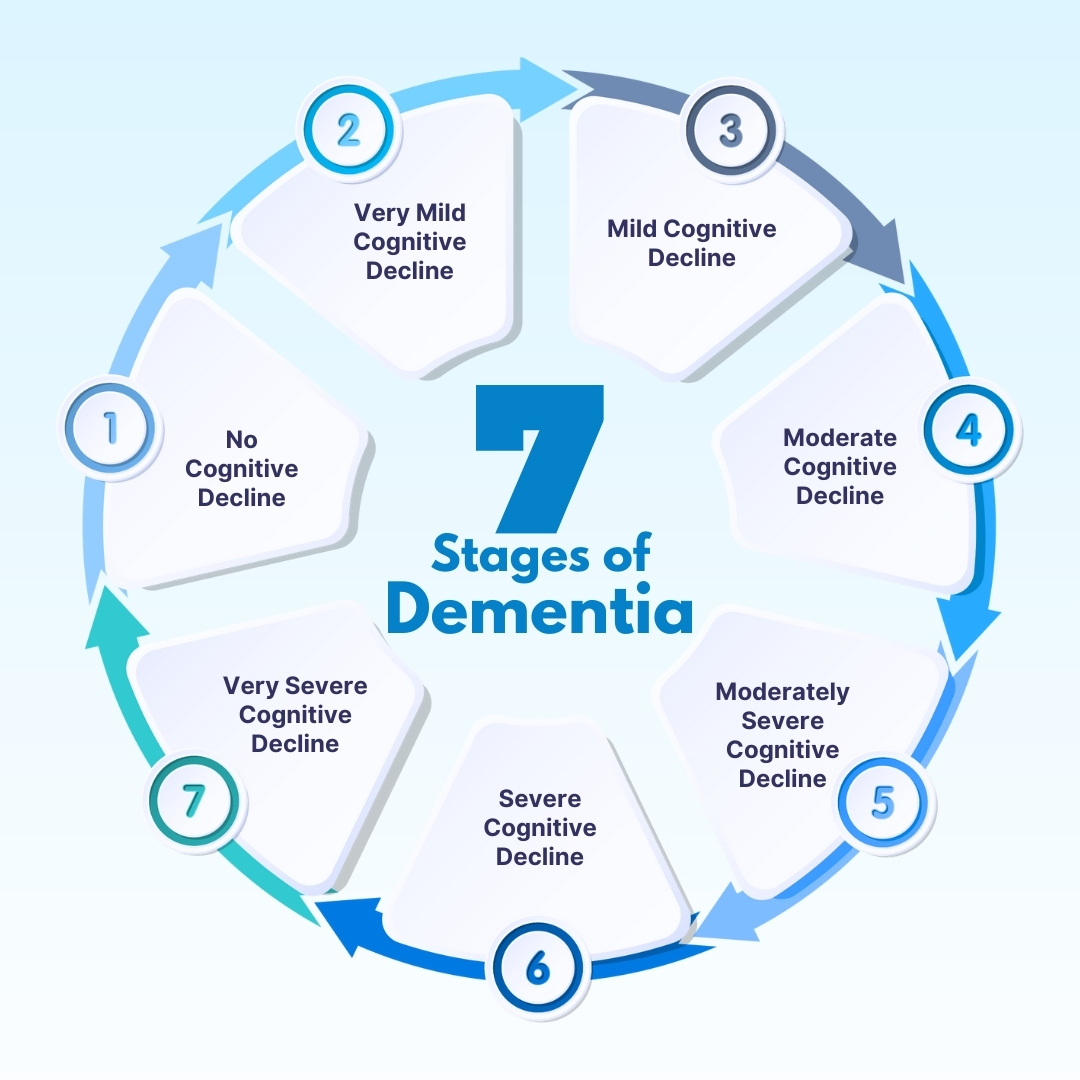
Lewy body dementia progresses through seven distinct stages, each presenting unique challenges for families and caregivers. This guide breaks down what to expect at every phase, offering practical steps to manage symptoms and maintain quality of life.
-
00314-X/asset/d0d96c02-a259-4a34-b76c-96c184483f36/main.assets/gr1_lrg.jpg)
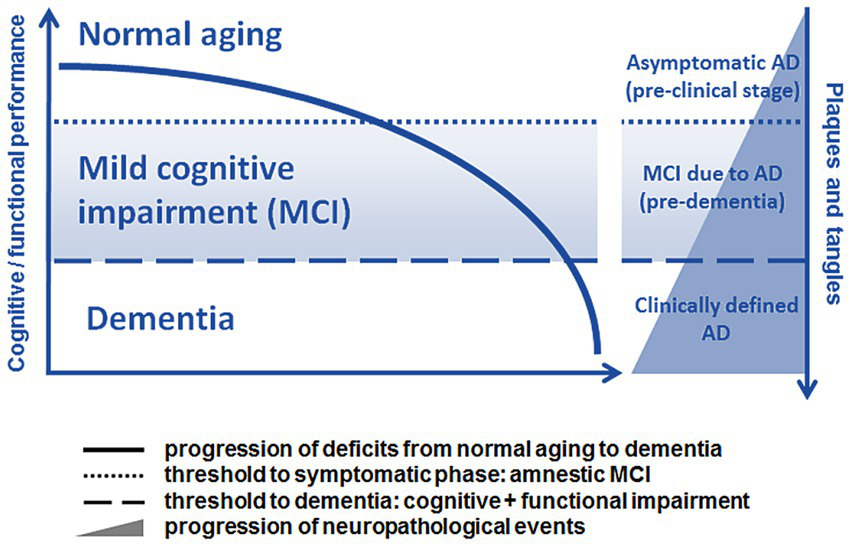
Preclinical Lewy Body Dementia symptoms and detection
Biomarkers reveal alpha-synuclein accumulation years before cognitive decline, often manifesting as REM sleep behavior disorder where patients physically act out dreams. Early detection relies on specialized imaging like DaTscan or cerebrospinal fluid analysis to identify pathological proteins. Families should monitor for sudden, violent dream enactment or persistent constipation, as these serve as critical early warning signs before memory issues become apparent in clinical settings. -
Mild cognitive impairment stage indicators
At this stage, patients experience subtle executive dysfunction rather than obvious memory loss. They struggle with complex tasks like managing finances or following multi-step recipes, yet maintain basic daily independence. Eye-tracking studies show altered visual attention patterns, helping clinicians distinguish this from normal aging. Families should document specific instances of confusion with planning or multitasking to provide objective data during neurological evaluations for accurate staging and intervention planning. -
Early stage Lewy Body Dementia diagnosis
Diagnosis requires ruling out other dementias while identifying core features like fluctuating cognition and visual hallucinations. Physicians use clinical criteria to assess symptom variability, noting how alertness may shift dramatically within hours. This stage often involves significant anxiety due to misinterpretations of reality. Families must provide detailed histories of these fluctuations to help specialists differentiate Lewy Body Dementia from Alzheimer’s, ensuring appropriate medication management that avoids sensitivity to antipsychotics. -
:max_bytes(150000):strip_icc()/the-stages-of-change-2794868-7349fcb2028c4b6d9e8ecdd73b677620.png)
Moderate stage behavioral changes and care
Behavioral shifts intensify, including paranoia, agitation, and severe sleep disturbances. Patients may accuse caregivers of theft due to memory gaps or exhibit aggressive responses to perceived threats. Care requires a structured environment with consistent routines to reduce confusion. Safety modifications become essential, such as locking away hazardous items. Families should prioritize de-escalation techniques over confrontation, recognizing that these behaviors stem from neurological degradation rather than intentional defiance, requiring specialized behavioral intervention strategies. -
Advanced stage mobility and communication loss
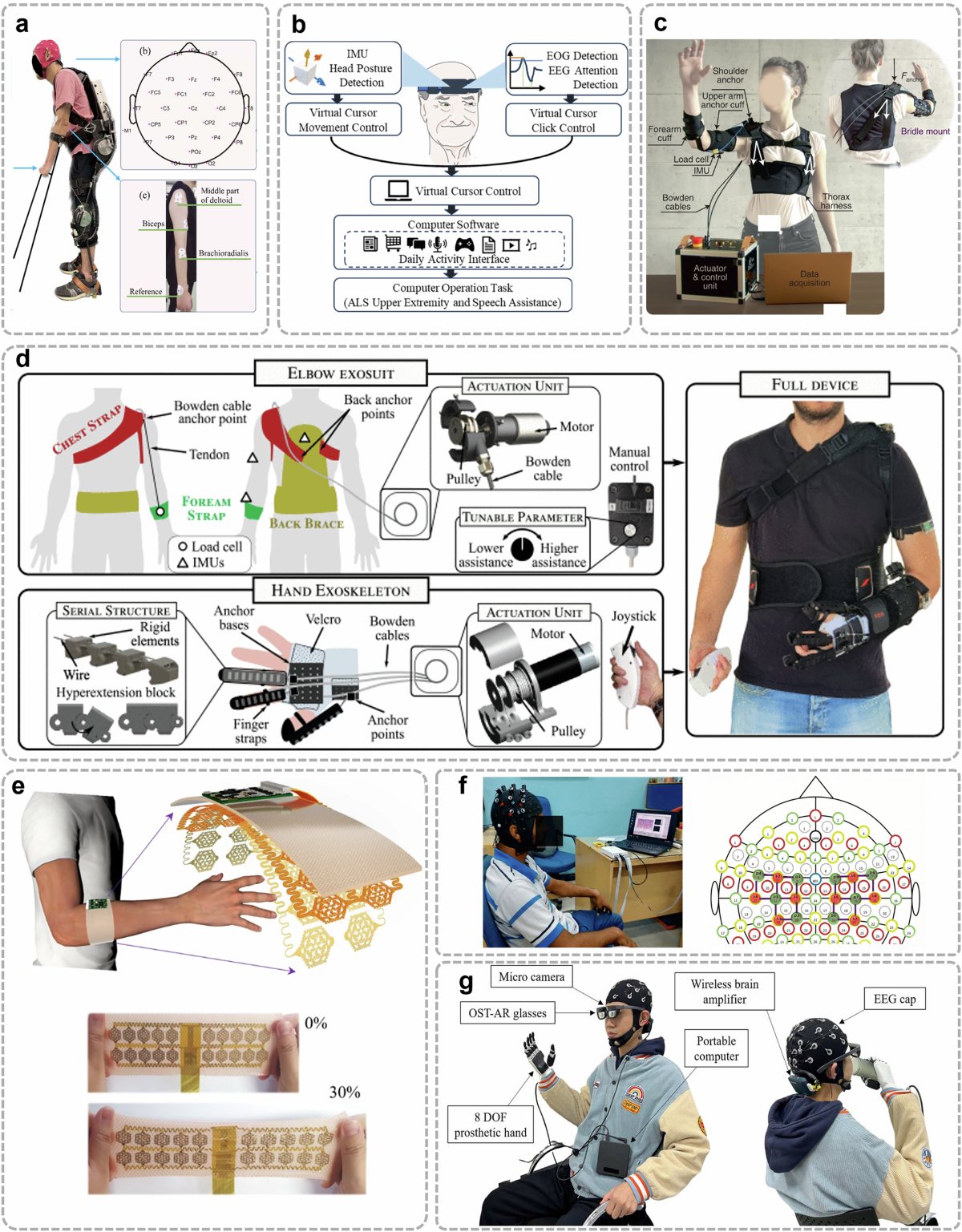
Physical decline accelerates, leading to rigidity, falls, and eventual loss of ambulation. Speech becomes limited to single words or silence, necessitating alternative communication methods like gesture boards or eye-gaze technology. Caregivers must manage swallowing difficulties to prevent aspiration pneumonia. Wearable sensors can monitor fall risks and movement patterns. This stage demands intensive physical support, including repositioning schedules and nutritional assistance, focusing on comfort and dignity while navigating the complex logistics of full-time assisted living or home care. -

Late stage physical decline and support
Mobility often requires a wheelchair, and swallowing difficulties (dysphagia) become a primary safety concern. Focus on preventing pressure ulcers with repositioning schedules and using thickened liquids to reduce aspiration risk. Manage muscle rigidity and pain through gentle massage and prescribed medications. The Yale study image highlights that supportive care can improve quality of life even during significant physical decline, emphasizing dignity in daily routines. -

End of life care and hospice options
Hospice shifts focus from curative treatment to comfort, typically when life expectancy is under six months. Families should discuss advance directives early to ensure wishes regarding resuscitation and feeding tubes are honored. The CSU Shiley Haynes Institute symposium graphic illustrates available palliative resources, helping families navigate emotional support and symptom management. This stage prioritizes peaceful surroundings and family presence over medical interventions.
Pick the right fit
2026 guide: Understanding the 7 Stages of Lewy Body Dementia and What Families Need to Know works best as a clear sequence: define the constraint, compare the realistic options, test the tradeoff, and choose the path with the fewest hidden costs. That order keeps the advice usable instead of decorative. After each step, pause long enough to check whether the recommendation still fits the reader's actual situation. If it depends on perfect timing, unusual access, or a best-case budget, include a simpler fallback.

No comments yet. Be the first to share your thoughts!