
7 Stages of Lewy Body Dementia: A Caregiver’s Roadmap
Navigating Lewy body dementia (LBD) can feel overwhelming, but understanding its progression empowers you to provide better care. This guide breaks down the seven distinct stages into practical, actionable steps, helping you anticipate needs and manage symptoms with confidence.
-
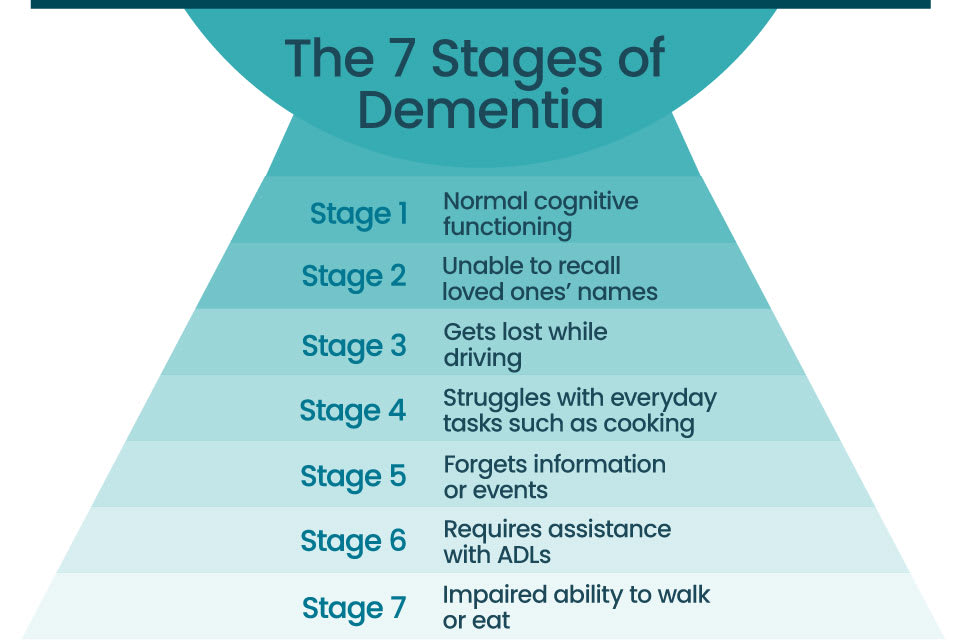
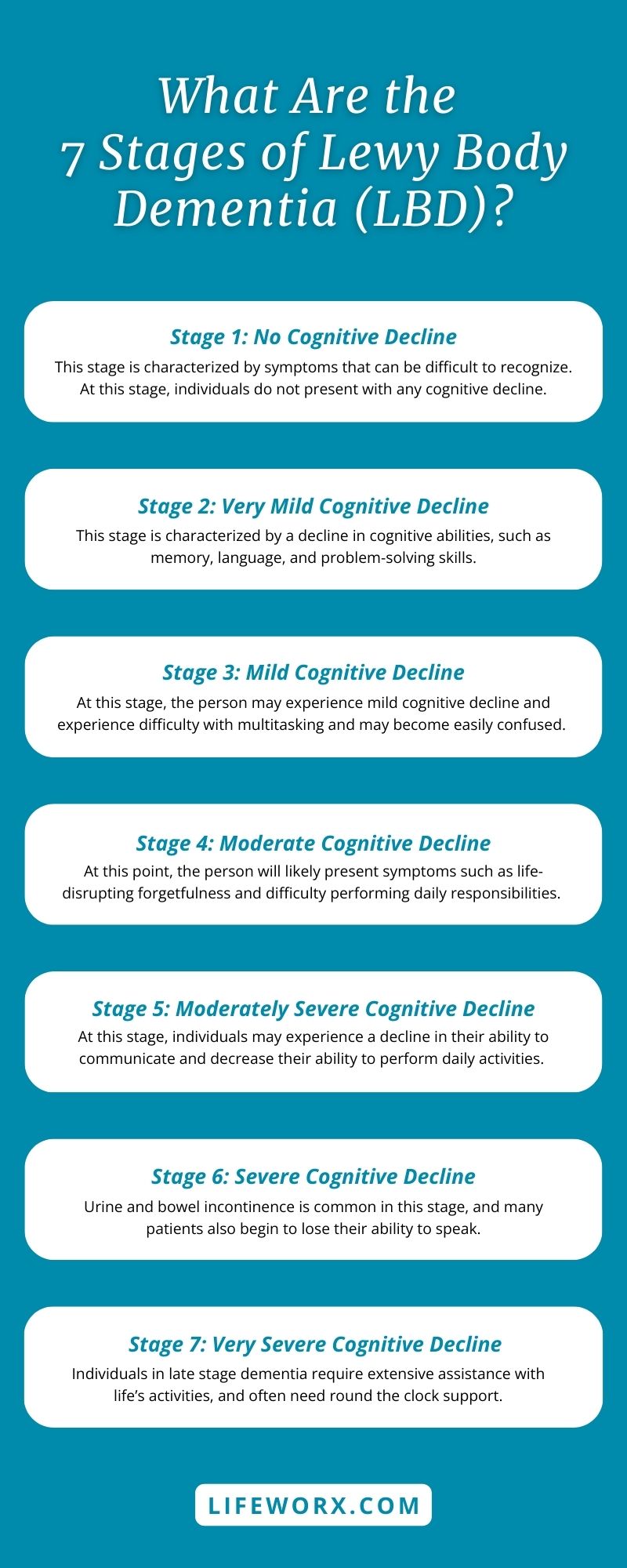
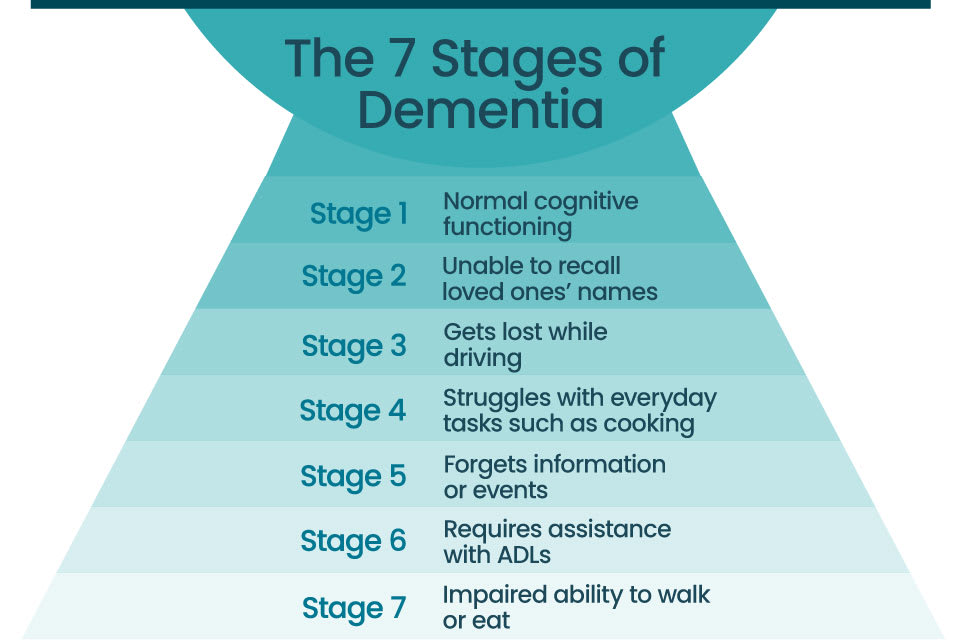
Stage 1: No Cognitive Decline
During this initial phase, individuals show no noticeable memory loss or cognitive impairment. Family members might observe minor, age-related forgetfulness, but daily functioning remains fully intact. Medical tests appear normal, and there are no significant behavioral changes. This stage often serves as a baseline, allowing caregivers to establish healthy routines and monitor for any subtle shifts in mood or habit that might hint at future challenges. -

Stage 2: Very Mild Cognitive Decline
Subtle memory lapses begin to emerge, such as forgetting familiar words or misplacing items occasionally. While these issues are often attributed to normal aging, they may represent the earliest signs of Lewy body dementia. Daily activities remain manageable, but individuals might feel increased anxiety about their mental sharpness. Caregivers should note these patterns without alarm, focusing on maintaining engagement and cognitive stimulation through familiar hobbies and social interactions. -

Stage 3: Mild Cognitive Decline
Cognitive difficulties become more apparent to close family and friends. Individuals may struggle with concentration, lose track of conversations, or have trouble finding the right words. Visuospatial issues, like judging distances, can affect driving safety. While independence is largely preserved, errors in managing finances or medications might appear. This stage often prompts a medical evaluation, where doctors look for specific symptoms like visual hallucinations or REM sleep behavior disorder to confirm Lewy body dementia. -
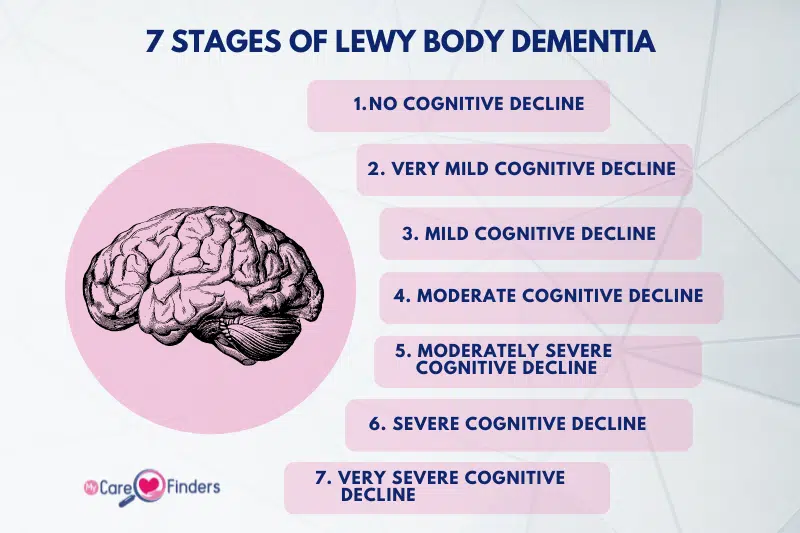
Stage 4: Moderate Cognitive Decline
Clear cognitive deficits emerge, making independent living increasingly difficult. Individuals may forget personal history, struggle with basic tasks like dressing, or experience significant mood swings. Fluctuations in alertness become common, with periods of clarity alternating with confusion. Caregivers need to establish structured routines to reduce anxiety. Safety becomes a priority, requiring supervision for cooking, bathing, and mobility, as the risk of falls increases due to spatial disorientation and physical stiffness. -
Stage 5: Moderately Severe Decline
Memory gaps widen significantly, and individuals often forget details about their own lives or current events. Assistance is required for most daily activities, including choosing appropriate clothing and maintaining hygiene. Directional confusion leads to getting lost in familiar places. Communication becomes fragmented, with speech limited to simple phrases. Caregivers must provide constant supervision and support, focusing on comfort and dignity while managing behavioral symptoms like agitation or paranoia that frequently accompany this progressive stage. -
Stage 6: Severe Cognitive Decline
In this phase, individuals often require round-the-clock assistance with daily tasks like bathing and dressing. Memory loss becomes profound, yet they may still recognize close family members. Caregivers should focus on maintaining comfort and dignity, using simple, reassuring language. Managing behavioral changes, such as agitation or wandering, becomes a primary concern, requiring a calm, structured environment to reduce anxiety and confusion for both the patient and the family. -

Stage 7: Very Severe Decline
In the final stage, individuals lose the ability to communicate coherently and require full-time assistance for all basic needs, including eating and toileting. Physical abilities decline significantly, often leading to immobility, difficulty swallowing, and increased susceptibility to infections like pneumonia. Care focuses entirely on palliative support, ensuring comfort, pain management, and dignity in the person’s final days. Family members are encouraged to seek respite care and emotional support during this deeply challenging time.
What defines Lewy body dementia stages
Lewy body dementia doesn’t follow the steady, predictable decline often seen in Alzheimer’s disease. Instead, it moves in waves. One day a person might be sharp and conversational; the next, they may struggle to recognize family members or experience vivid hallucinations. This unpredictability is what makes the 7-stage framework so essential for caregivers—it helps you anticipate needs rather than just react to crises.
Think of LBD progression like a tide rather than a staircase. Symptoms fluctuate daily, and the "stages" are more like broad zones of capability than fixed rungs. Early on, these fluctuations might be subtle, mistaken for stress or aging. As the disease advances, the gaps between clarity and confusion widen, and physical symptoms like stiffness or balance issues become more prominent.
The 7-stage model provides a roadmap for what to expect, helping you distinguish between normal aging, mild cognitive impairment (MCI), and the specific motor and cognitive declines of LBD. By understanding these distinct phases, you can tailor your support to the person’s current reality, preserving dignity and safety even as their abilities change.
Managing daily care and safety
Lewy body dementia is unpredictable. Symptoms can shift from hour to hour, a pattern doctors call "fluctuations." One moment your loved one might be sharp and chatty; the next, they may seem confused, drowsy, or unable to move. This variability is the hallmark of LBD, not a sign that you are doing something wrong.
Managing daily care requires a flexible approach. You cannot rely on a rigid schedule. Instead, focus on creating a safe, calm environment that adapts to their current state. The goal is to reduce stress for both of you by anticipating needs rather than reacting to crises.
1. Handle hallucinations with calm reassurance
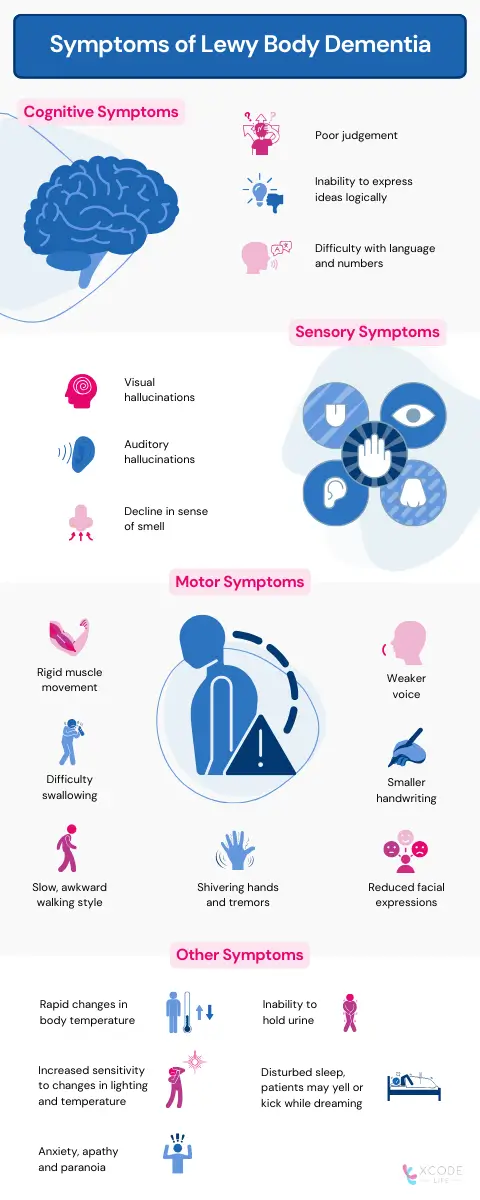
Visual hallucinations are common in LBD. Your loved one might see people, animals, or objects that aren't there. Arguing with them or insisting they are wrong often increases agitation. Instead, validate their feelings without confirming the false perception. Say, "I don't see that, but I can see you're worried. I'm here with you." If the hallucination is frightening, gently guide their attention to a familiar, comforting object or activity.
2. Adapt to physical fluctuations
Motor symptoms in LBD can include stiffness, slowness, or sudden drops in alertness (neuroleptic sensitivity). If they seem frozen or unusually sleepy, do not force them to walk or talk. Offer rest. When they are more alert, encourage gentle movement. Safety is paramount: remove tripping hazards like loose rugs and ensure clear paths to the bathroom, especially at night.
3. Simplify communication and tasks
As the disease progresses, processing information becomes harder. Break tasks into single, simple steps. Instead of "Get dressed," say, "Put on this shirt." Speak slowly and use short sentences. Give them time to respond; silence is part of their processing time. Avoid complex questions that require long answers. Yes or no questions are often easier to manage.
4. Prioritize home safety
Create a safe space by reducing clutter and improving lighting. Install grab bars in the bathroom and non-slip mats in the shower. Use nightlights in hallways and bedrooms to reduce confusion during nighttime wandering. Consider medical alert systems if wandering becomes a risk. Regularly check for medications and ensure they are stored safely.
Caregiver Safety and Monitoring Checklist
Use this checklist to maintain a safe and supportive environment:
-
Hallucination Response: Stay calm, do not argue, offer reassurance.
-
Mobility Safety: Clear walkways, install grab bars, use non-slip mats.
-
Communication: Use short sentences, give time to respond, ask yes/no questions.
-
Nighttime Safety: Use nightlights, secure doors if wandering occurs.
-
Medication: Store safely, monitor for side effects, consult doctor before changes.
-
Routine: Keep daily activities consistent but flexible to fluctuations.
When to Seek Help
Contact your healthcare provider if hallucinations become frequent or distressing, if there is a sudden worsening of symptoms, or if you notice signs of infection (like UTIs) which can mimic dementia progression. Always consult a professional before changing medications, as people with LBD can have severe reactions to certain drugs.
Frequently asked questions about LBD stages
Understanding the progression of Lewy body dementia can help you prepare for what lies ahead. Here are answers to the most common questions families ask.
Next steps for caregivers


No comments yet. Be the first to share your thoughts!