
7 Stages Lewy Body Dementia: A Caregiver’s Timeline
Navigating the progression of 7 stages Lewy Body Dementia requires understanding how symptoms shift over time. This timeline outlines each phase to help caregivers anticipate changes and adjust support strategies effectively.
-
Stage 1: No Cognitive Decline
In this initial phase of the 7 Stages Lewy Body Dementia timeline, individuals exhibit no noticeable memory loss or cognitive impairment. Daily functioning remains intact, and routine social and professional activities proceed without difficulty. While subtle biological changes may be occurring at a cellular level, there are no outward symptoms. Family members and friends typically observe no differences in behavior, mood, or mental sharpness during this quiet period before the disease manifests. -
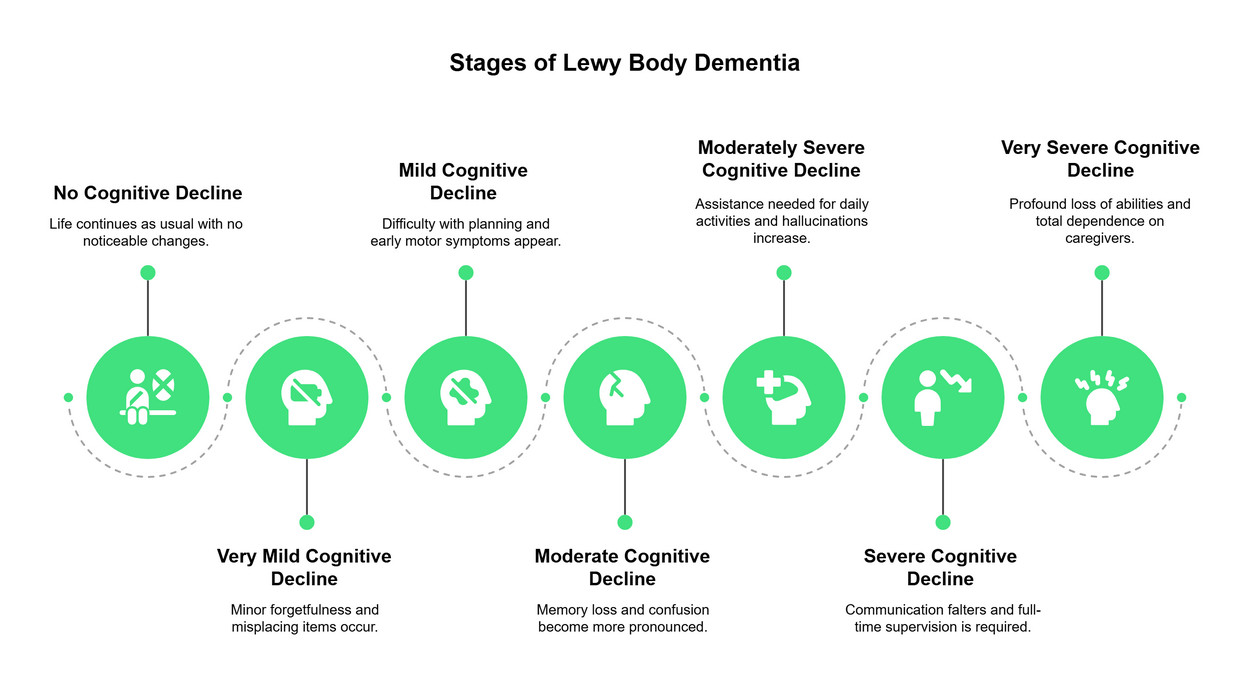
Stage 2: Very Mild Cognitive Decline
As the condition progresses through the 7 Stages Lewy Body Dementia framework, individuals may experience minor forgetfulness that does not interfere with daily life. Forgetting familiar words or the location of everyday objects becomes slightly more frequent. However, these lapses are often attributed to normal aging rather than a specific neurological disorder. The person remains largely independent, and close observers might only notice occasional hesitation in recalling recent conversations or names. -

Stage 3: Mild Cognitive Decline
During the third stage of the 7 Stages Lewy Body Dementia progression, cognitive deficits become more apparent to close family and colleagues. Individuals may struggle with concentration, lose their train of thought mid-sentence, or have difficulty finding the right words. Visuospatial challenges can emerge, making it harder to judge distances or navigate familiar environments. While independence is maintained, tasks requiring complex planning or multi-step execution begin to feel noticeably more taxing and effortful. -
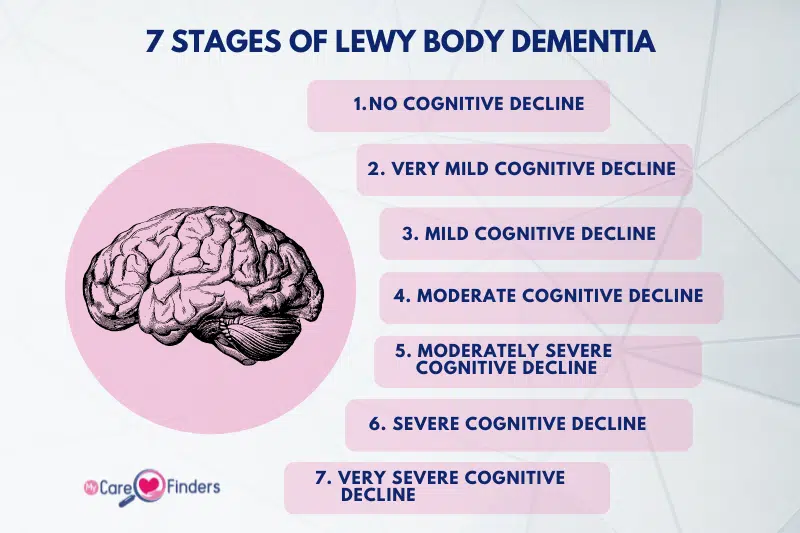
Stage 4: Moderate Cognitive Decline
At this point in the 7 Stages Lewy Body Dementia journey, clear symptoms of dementia emerge, requiring some assistance with daily activities. Individuals may have trouble managing finances, remembering recent events, or recognizing familiar faces. Behavioral changes such as apathy, anxiety, or mild paranoia often accompany cognitive decline. Hallucinations or visual disturbances may begin to appear, signaling the involvement of Lewy bodies in brain regions responsible for perception and memory processing. -
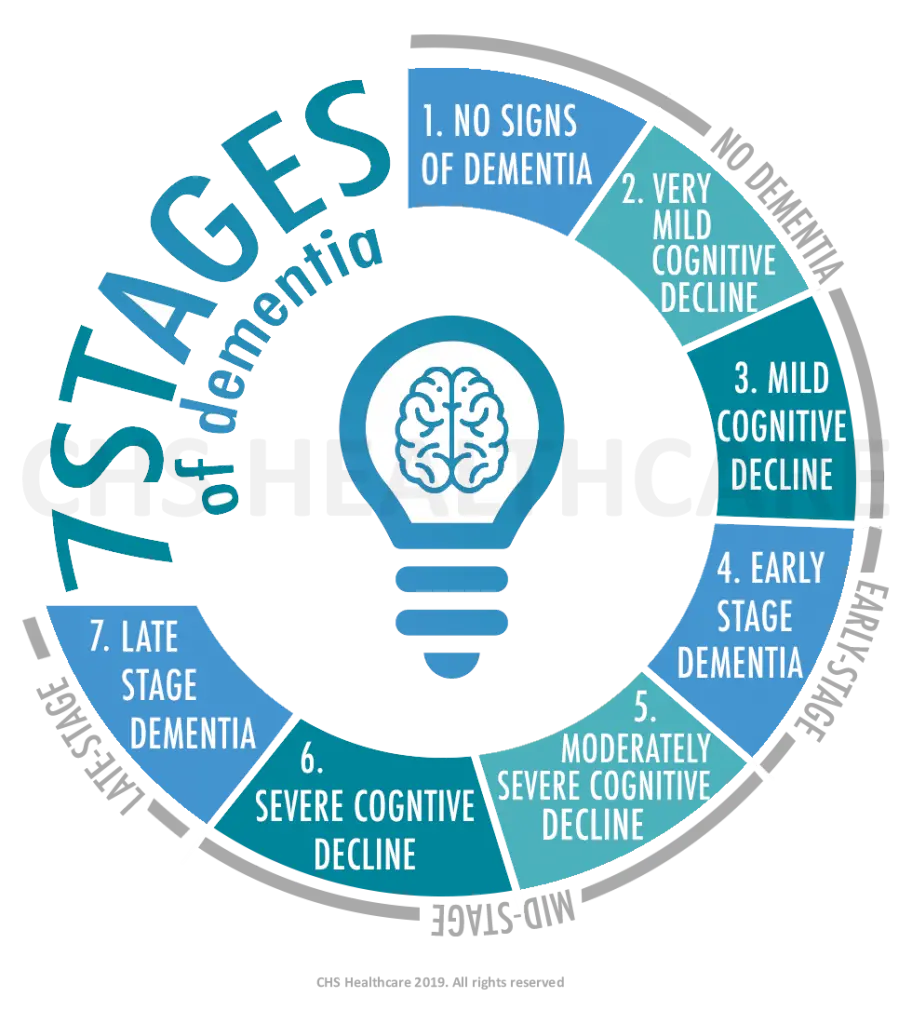
Stage 5: Moderately Severe Decline
The fifth stage of the 7 Stages Lewy Body Dementia timeline marks a significant shift toward needing substantial daily support. Individuals often forget details about their personal history, such as their address or phone number, and may become confused about time and place. Motor symptoms like stiffness, tremors, or balance issues become more pronounced. Caregivers must assist with dressing, bathing, and choosing appropriate clothing, as decision-making capabilities are significantly impaired by the advancing disease. -
Stage 6: Severe Cognitive Decline
In this phase of 7 Stages Lewy Body Dementia, patients lose the ability to recognize close family members and require constant supervision. Severe memory gaps coexist with persistent visual hallucinations and delusions, making daily routines challenging. Caregivers must manage incontinence and significant personality changes, shifting focus entirely to physical comfort and safety as independence fades rapidly. -
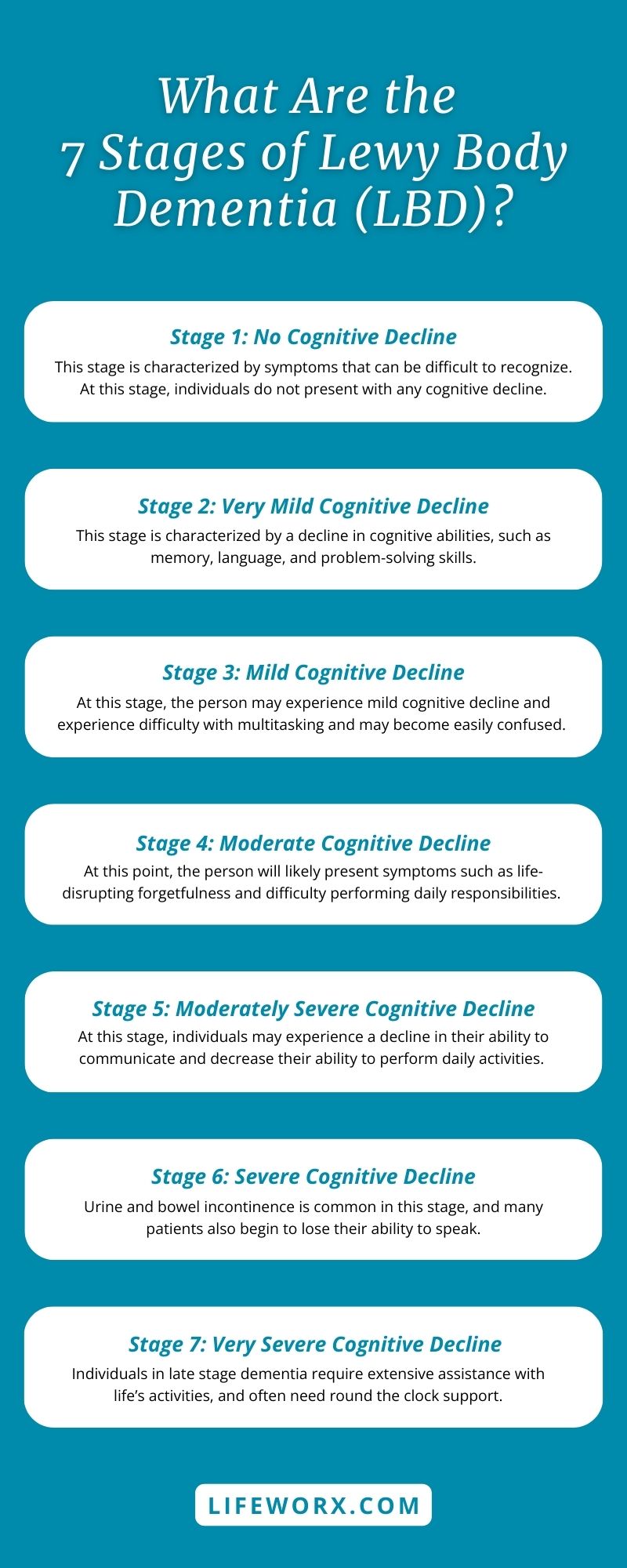
Stage 7: Very Severe Decline
The final stage of 7 Stages Lewy Body Dementia involves the loss of basic motor functions, including walking, smiling, and speaking. Patients become entirely dependent on others for all activities of daily living, often confined to a bed or chair. Care shifts to palliative support, managing pain, preventing infections, and providing dignified end-of-life care as cognitive and physical capacities diminish completely.
What is Lewy Body Dementia?
Lewy body dementia (LBD) is a progressive brain disorder that affects thinking, movement, behavior, and mood. It is the second most common type of progressive dementia after Alzheimer’s disease, accounting for an estimated 10% to 20% of all dementia cases. Unlike Alzheimer’s, which primarily targets memory in its early stages, LBD impacts multiple cognitive domains simultaneously from the outset.
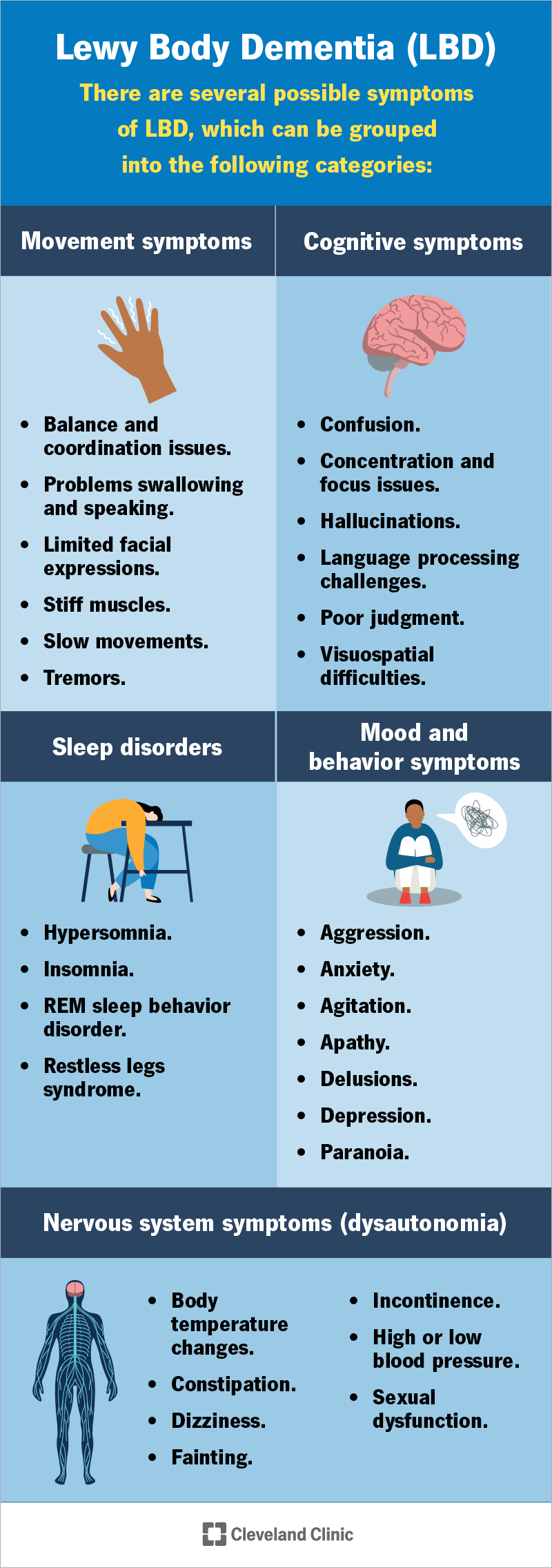
The condition is characterized by the presence of abnormal protein deposits called Lewy bodies in the brain. These deposits disrupt the brain’s chemical balance, leading to a specific cluster of symptoms that distinguish LBD from other forms of dementia. The most distinctive features include visual hallucinations, fluctuating cognition, and parkinsonian motor symptoms.
Visual Hallucinations
Many people with LBD experience well-formed visual hallucinations early in the disease process. These are often detailed and vivid, such as seeing small children, animals, or unfamiliar people in the room. Unlike the confusion associated with delirium, these hallucinations are a core symptom of the 7 stages Lewy Body Dementia timeline and can be distressing for both the patient and the caregiver.
Fluctuating Cognition
Cognitive abilities in LBD can vary significantly from hour to hour or day to day. A person may be alert and coherent one moment, then confused or drowsy the next. This fluctuation can make diagnosis difficult and often leads to misdiagnosis as psychiatric illness or delirium. Caregivers often note that their loved one seems to have "good days and bad days" within the same week.
Movement Issues
Parkinsonism is a hallmark of LBD, though it often appears later than cognitive symptoms. These motor issues include muscle rigidity, slow movement (bradykinesia), shuffling gait, and tremors. Because these symptoms overlap with Parkinson’s disease, LBD is sometimes referred to as Dementia with Lewy Bodies (DLB) when dementia precedes motor symptoms, or Parkinson’s Disease Dementia (PDD) when motor symptoms precede dementia by more than a year.
Sleep Disturbances
REM sleep behavior disorder (RBD) is a frequent early sign of LBD. People may physically act out their dreams, shouting, kicking, or flailing while asleep. This condition often precedes cognitive decline by years and serves as a significant clinical marker for healthcare providers diagnosing the 7 stages Lewy Body Dementia progression.
Understanding these unique symptoms helps caregivers distinguish LBD from Alzheimer’s and other dementias. Recognizing the specific pattern of hallucinations, fluctuating alertness, and motor changes is essential for accurate diagnosis and appropriate care planning.
Managing daily care needs
Caring for someone with the 7 Stages Lewy Body Dementia requires adapting to a condition that rarely stays the same from one hour to the next. Fluctuations in attention and alertness are a hallmark of LBD, meaning a person may be clear and conversational one moment and confused or drowsy the next. This unpredictability can be exhausting for caregivers, but understanding the pattern helps in planning safe and effective daily routines.
Medication sensitivity is another major factor. People with LBD often have severe reactions to certain drugs, particularly antipsychotics, which can worsen motor symptoms or cause dangerous sedation. Always review new medications with a neurologist or geriatric specialist who understands LBD. Keep a written log of all prescriptions and over-the-counter supplements to track any changes in behavior or physical function.
Sleep disorders are also common, with many individuals experiencing REM sleep behavior disorder where they act out vivid dreams. This can lead to injury for both the patient and their partner. Simple safety modifications at home, such as removing clutter, installing grab bars, and using nightlights, can reduce fall risks during these nocturnal episodes.
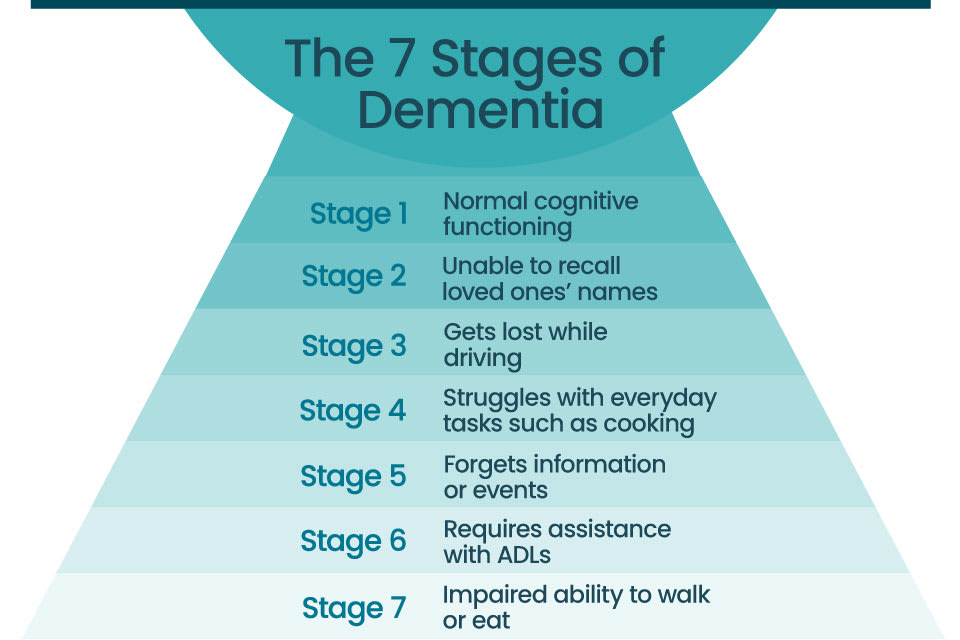
Structure the day with consistent times for meals, medication, and rest. Predictability reduces anxiety and confusion. When the 7 Stages Lewy Body Dementia progress, sticking to a routine provides a sense of security even as cognitive abilities decline.
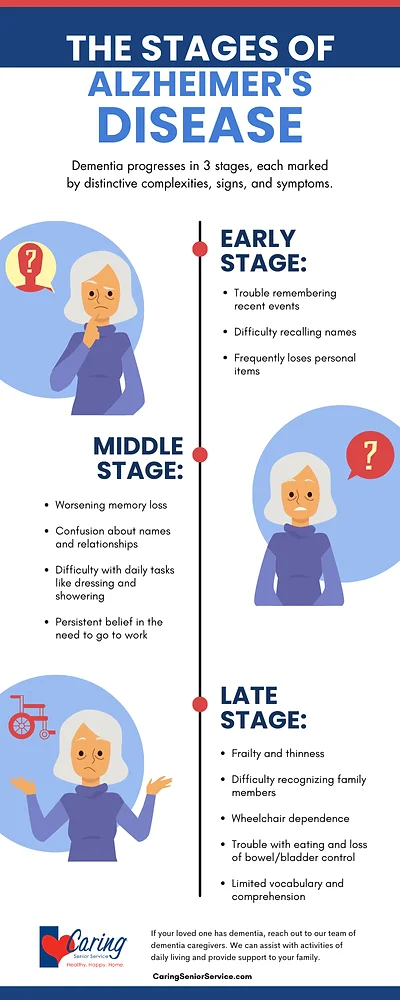
Remove tripping hazards like loose rugs and clutter. Install handrails in hallways and bathrooms. Use nightlights in bedrooms and hallways to help with orientation during nighttime wandering or sleep disturbances common in later stages.

Watch closely for new symptoms after starting any new drug. Note any increase in stiffness, confusion, or sleepiness. Report these changes immediately to the care team to adjust dosages or switch to safer alternatives.
On good days, encourage simple tasks to maintain independence. On difficult days, step in to assist with hygiene and dressing. Accept that performance will vary and avoid forcing activities that cause frustration or agitation.

No comments yet. Be the first to share your thoughts!