
Gen X and Rising Dementia Rates
Generation X is seeing a concerning rise in early-onset dementia diagnoses. People born between 1965 and 1980 are being diagnosed with dementia decades earlier than typically expected.
Dementia was long seen as a condition affecting those over 65. A diagnosis in one's 40s or 50s seemed rare. Now, clinicians are seeing more early-onset cases in Gen X, prompting a reevaluation of risk factors.
Multiple factors likely contribute to this trend. Chronic stress, common in Gen X careers and finances, is a suspect. Lifestyle choices made early in life, such as diet and exercise, probably play a role. Early environmental exposures are also being studied.
While the overall numbers aren't alarming yet, specialists are observing this trend and working to understand its causes. The Emory Brain Health Forum's sessions on Alzheimer's prevention and prediction show the medical community's growing concern.

Defining Early-Onset Dementia
Early-onset dementia is typically defined as symptoms appearing before age 65. This definition is broad; a diagnosis at 50 impacts life differently than one at 64.
This term includes various dementia types. Alzheimer's is most common, but Frontotemporal, Vascular, and Lewy Body dementia can also appear early. Frontotemporal dementia often changes personality and behavior, while Lewy Body dementia can cause visual hallucinations and motor symptoms.
A diagnosis in one's 40s or 50s presents unique challenges. This is often a peak career, family-raising, and retirement planning stage. Dementia disrupts these plans, and the emotional toll of facing such an illness at a younger age is significant.
The Social Security Administration (SSA) lists early-onset Alzheimer's under Compassionate Allowances, expediting benefits for qualifying cases due to the condition's severity and rapid progression in younger individuals (SSA, 2025).
The 2026 Projection: Why Now?
Experts anticipate a noticeable increase in early-onset dementia cases around 2026, not a sudden surge. This projection stems from a convergence of factors.
The aging of Generation X is a primary driver. As more Gen Xers enter their 50s and early 60s, they enter the age range where early-onset dementia becomes more probable. This is a demographic shift.
Improved diagnostic tools, like brain imaging and cognitive tests, allow for more accurate and earlier diagnoses. Cases previously missed or misattributed are now being identified. This means more people are being diagnosed, not necessarily developing the condition at higher rates.
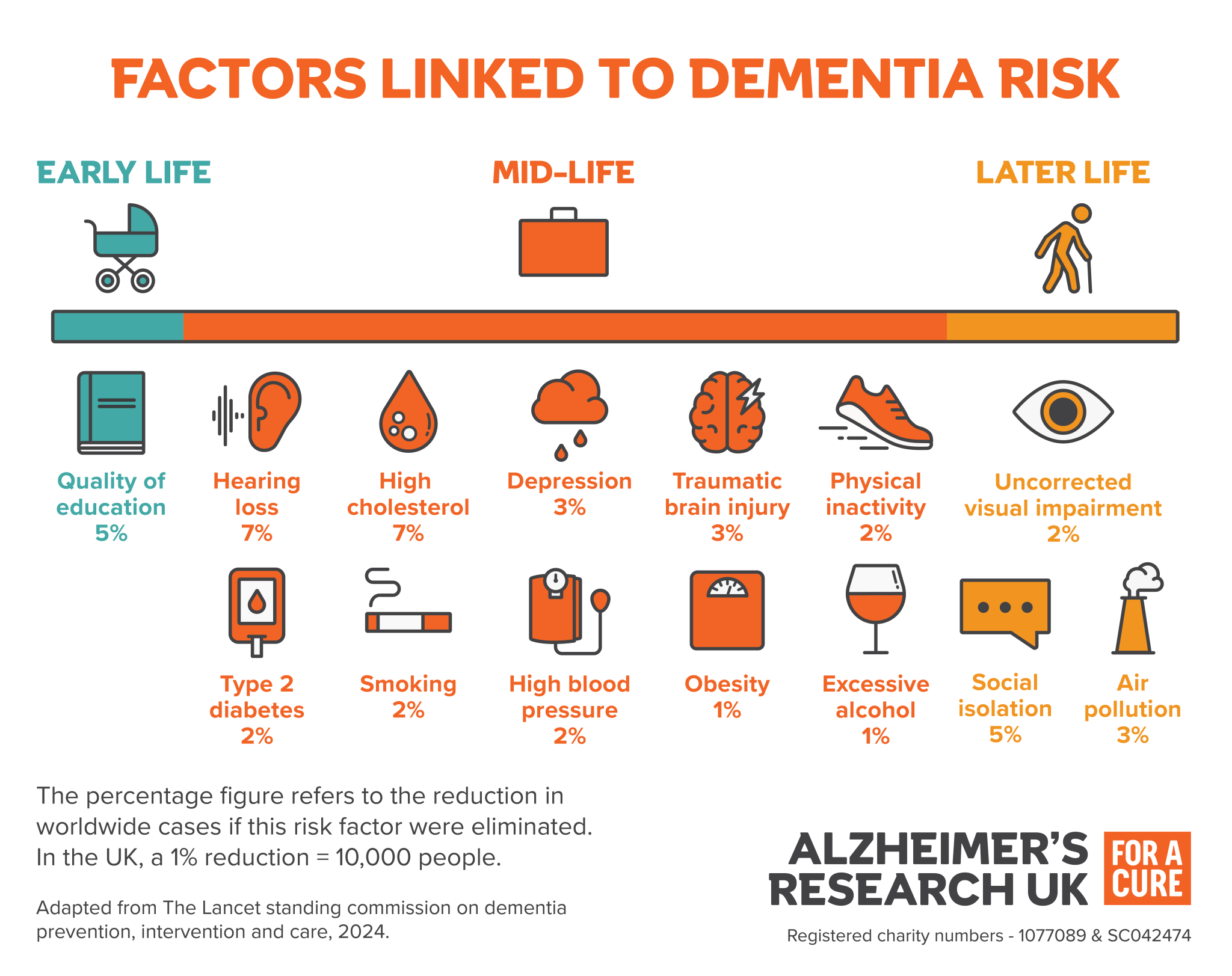
Mid-life risk factors Gen X has faced for decades are accumulating. Chronic stress, poor diets, and sedentary lifestyles likely contribute to the biological changes associated with dementia. The SSA recognizes the challenges of early-onset diagnosis and the need for timely intervention (SSA, 2025).
can't wait to go see 5sos again & see them make up lyrics on the spot the entire time bc they're clearly having symptoms of early onset dementia
— alsn🦈 (@shartouik) April 14, 2026
Risk Factors Unique to Gen X
Gen X faced unique societal pressures and environmental exposures that may contribute to increased dementia risk. Understanding these factors provides context, not blame.
Chronic stress is a defining characteristic of Gen X's professional lives. Entering the workforce during unstable economic times and intense competition, coupled with long hours and job insecurity, created a culture of chronic stress that can damage the brain.
Early environmental toxin exposure is another concern. Gen X grew up when pesticides and industrial chemicals were more widely used and less regulated. While long-term effects are still studied, some research suggests a link to neurodegenerative diseases.
Sedentary lifestyles and processed food diets became more common during Gen X's formative years. Increased screen time, less physical activity, and processed foods have impacted overall health. These factors are known risks for cardiovascular disease, which is linked to dementia.
Undiagnosed or untreated mental health conditions may also play a role. Gen X often internalized struggles and faced mental health stigma. Untreated depression, anxiety, and other conditions can increase cognitive decline risk.
Recognizing the Subtle Signs
Early-onset dementia can present differently than in older adults, making it harder to recognize. Memory loss isn't always the first sign in younger individuals; subtle changes in personality, executive function, and language skills can be more noticeable.
undefined.
Getting lost in familiar places, even in one’s own neighborhood, is another red flag. Changes in spatial orientation and navigation skills can occur early in the disease process. Noticeable shifts in mood or behavior – increased irritability, apathy, or withdrawal from social activities – can also be early warning signs.
The National Institute on Aging (NIA) offers resources for individuals living with early-stage dementia, emphasizing the importance of maintaining independence and quality of life (NIA, n.d.). However, it's crucial to remember that these symptoms don't automatically mean dementia. A thorough medical evaluation is essential to determine the underlying cause.
Prevention Strategies: What Can You Do?
While there’s no guaranteed way to prevent dementia, there are many steps you can take to reduce your risk and potentially delay onset. The focus should be on modifiable risk factors – those things you can change through lifestyle interventions.
Diet plays a crucial role. Adopting a Mediterranean-style diet, rich in fruits, vegetables, whole grains, and healthy fats, has been linked to improved cognitive function. Limiting processed foods, sugary drinks, and saturated fats is equally important. A healthy diet provides the nutrients your brain needs to thrive.
Regular exercise is also essential. Both aerobic exercise (such as walking, running, or swimming) and strength training have been shown to benefit brain health. Aim for at least 150 minutes of moderate-intensity aerobic exercise per week, along with strength training exercises twice a week.
Cognitive stimulation is another key component of dementia prevention. Engaging in lifelong learning, puzzles, reading, and social activities can help keep your brain active and resilient. Challenging your brain strengthens neural connections and improves cognitive reserve.
Stress management is paramount. Chronic stress can have damaging effects on the brain, so finding healthy ways to manage stress is crucial. Mindfulness, meditation, yoga, and spending time in nature are all effective stress-reducing techniques. Cardiovascular health is also linked to brain health, so managing blood pressure, cholesterol, and blood sugar is important.
Navigating Diagnosis and Support
Receiving a dementia diagnosis is a life-altering event. Navigating the healthcare system, finding support groups, and accessing resources can feel overwhelming. It's important to remember you're not alone.
Start by seeking a comprehensive evaluation from a neurologist or geriatrician. A multidisciplinary approach, involving a team of healthcare professionals – including therapists, social workers, and financial advisors – is often the most effective. Early intervention can help manage symptoms and improve quality of life.
Support groups can provide a safe and supportive environment to connect with others facing similar challenges. Sharing experiences and learning from others can be incredibly empowering. Organizations like the Alzheimer’s Association offer a wealth of resources and support services.
Financial and legal planning is also crucial. It’s important to establish power of attorney, create a will, and plan for long-term care expenses. These steps can help ensure your wishes are respected and your financial affairs are in order. The emotional toll of a diagnosis is significant, for both the individual and their family.
Seeking mental health support is essential. Therapy can help you cope with the emotional challenges of dementia, such as grief, anxiety, and depression. Remember, prioritizing self-care is not selfish; it's necessary.
Emerging Research and Future Directions
Research into early-onset dementia is rapidly evolving. Scientists are making progress in identifying biomarkers for early detection, developing potential new drug therapies, and understanding the role of genetics.
Biomarkers, such as proteins in the cerebrospinal fluid or amyloid plaques detected through brain imaging, can help identify individuals at risk of developing dementia before symptoms appear. This could allow for earlier intervention and potentially slow disease progression.
Several new drug therapies are currently in clinical trials, targeting different aspects of the disease process. While there are no cures for dementia yet, these therapies hold promise for slowing cognitive decline and improving quality of life.
The role of genetics in early-onset dementia is also being investigated. While most cases are not directly caused by genetic mutations, certain genes can increase a person’s risk. Personalized medicine, tailoring treatment to an individual’s genetic profile, may become a reality in the future.
Lifestyle interventions continue to be a focus of research. Studies are exploring the optimal combination of diet, exercise, and cognitive stimulation for preventing and managing dementia. While there are still many unknowns, the future of dementia research is filled with hope.




No comments yet. Be the first to share your thoughts!