
A changing climate and the brain
We know the brain reacts to its surroundings. Heavy metals and smog have been on the radar for decades, but the scope is widening. Climate change is hitting neurological health right now, and the data suggests it's only going to get harder to manage.
Recent research, particularly studies gaining traction in 2026, is starting to quantify this connection. It’s becoming clearer that the escalating effects of climate change – from extreme heat to air pollution – are accelerating cognitive decline and potentially increasing the incidence of dementia. The National Institute on Aging has increased funding for studies exploring these links, recognizing the urgency of the situation.
We’re seeing a shift in how we view dementia. It’s no longer solely a disease of aging, but one increasingly influenced by environmental factors. This means prevention strategies need to broaden beyond lifestyle choices and genetic predispositions to include addressing the root causes of climate change and mitigating its effects. It's a complex issue, but one
Heat waves and cognitive decline
Extreme heat is one of the most immediate and direct threats posed by climate change, and it's proving to be particularly damaging to cognitive function. Heat stress can impair blood flow to the brain, leading to inflammation and oxidative stress – both known contributors to neurodegenerative diseases. This is especially concerning for older adults, who are less able to regulate their body temperature.
2026 research has shown a significant correlation between prolonged exposure to high temperatures and an increased incidence of dementia. A study published in Neurology followed over 200,000 adults for ten years and found a 15% higher risk of dementia among those living in areas experiencing frequent heat waves. The effect was most pronounced in individuals with pre-existing cardiovascular conditions.
The physiological mechanisms are complex. Heat stress triggers the release of inflammatory cytokines, which can damage brain cells. It also increases the production of reactive oxygen species, leading to oxidative damage. There's also evidence suggesting heat exposure can disrupt the blood-brain barrier, allowing harmful substances to enter the brain. Certain populations, like those with limited access to air conditioning or outdoor workers, are disproportionately affected.
I'm not saying heat causes dementia directly—the data shows a link, not a smoking gun. Researchers are currently trying to find the exact temperature where the risk spikes so we can actually protect people.
Studies Examining Heat Exposure and Dementia Risk (2026 Data)
| Study Location | Years Studied | Population Size | Heat Exposure Metric | Dementia Incidence Increase | Key Findings |
|---|---|---|---|---|---|
| Boston, Massachusetts, USA | 2016-2026 | 9,237 | Number of days exceeding 90°F (32.2°C) | Approximately 1.5% | Prolonged exposure to extreme heat was associated with a modest increase in dementia incidence, potentially linked to increased inflammation and cardiovascular stress. |
| London, United Kingdom | 2018-2026 | 68,000 | Average summer temperature | Reported increase in cases | Studies indicated a correlation between hotter summers and a rise in dementia diagnoses, though establishing direct causation requires further investigation. |
| Seoul, South Korea | 2010-2026 | 1,150,000 | Days with heat wave conditions (defined as >33°C) | Observed increase in diagnoses | Research suggests a link between prolonged heat wave exposure and increased risk, particularly among older adults with pre-existing health conditions. |
| Madrid, Spain | 2017-2026 | 45,000 | Maximum daily temperature | Increase in diagnoses reported | Data showed a potential association between high maximum daily temperatures and a higher rate of dementia diagnoses, particularly during prolonged heat waves. |
| Melbourne, Australia | 2015-2026 | 220,000 | Heatwave duration (days) | Increase in diagnoses reported | Longer duration heatwaves were correlated with a higher incidence of dementia, possibly due to the combined effects of heat stress and air pollution. |
| Taiwan (Nationwide) | 2012-2026 | 5,000,000 | Average monthly temperature | Increase in diagnoses reported | Analysis of national health data revealed a possible association between rising average monthly temperatures and an increased risk of dementia, warranting further research into underlying mechanisms. |
Illustrative comparison based on the article research brief. Verify current pricing, limits, and product details in the official docs before relying on it.
The invisible threat of air pollution
Air pollution, often an overlooked consequence of climate change, presents a significant and insidious threat to brain health. Tiny particulate matter (PM2.5) and nitrogen dioxide (NO2) are particularly concerning. These pollutants can bypass the body’s natural defenses and cross the blood-brain barrier, directly impacting the central nervous system.
Research from the National Institutes of Health indicates that exposure to PM2.5 is associated with increased levels of amyloid plaques and neurofibrillary tangles – the hallmarks of Alzheimer’s disease. A 2026 study published in Environmental Health Perspectives found that individuals living in areas with high levels of NO2 had a 12% higher risk of developing dementia compared to those in cleaner air.
The mechanism appears to involve neuroinflammation. Pollutants trigger an immune response in the brain, leading to chronic inflammation and neuronal damage. This inflammation can disrupt synaptic function and contribute to cognitive decline. It's a slow, subtle process, but the cumulative effect over years can be devastating.
Air purifiers help at home, but they won't fix the source. We need better air standards and fewer exhaust fumes. If the air is bad, our brains pay for it.
Extreme weather events
Climate change isn’t just about gradual warming; it’s about an increase in the frequency and intensity of extreme weather events – hurricanes, floods, wildfires, and droughts. These events have a profound impact on mental health, and increasingly, we’re understanding how that mental health impact can accelerate cognitive decline.
The trauma of displacement, loss of loved ones, and property damage can lead to chronic stress, anxiety, and depression – all risk factors for dementia. For individuals already living with dementia, these events can be particularly devastating, disrupting routines, social support networks, and access to care.
A scoping review protocol published by the National Center for Biotechnology Information (NCBI) highlights the need for more research into the long-term neurological consequences of extreme weather events. It emphasizes the importance of considering the psychological impact alongside the physical trauma. The disruption to social infrastructure and community support systems is a major concern.
The mental health component is often underestimated. Chronic stress can lead to hippocampal atrophy – a reduction in the size of the hippocampus, a brain region crucial for memory. This, in turn, can exacerbate cognitive impairment and increase the risk of dementia.
Geographic vulnerabilities
The risk of climate change-related dementia isn’t evenly distributed. Certain geographic regions are more vulnerable due to a combination of factors – climate vulnerability, air quality, socioeconomic status, and access to healthcare. Coastal areas prone to flooding, regions experiencing prolonged droughts, and urban areas with high levels of air pollution are particularly at risk.
Environmental justice is a critical consideration. Marginalized communities – low-income neighborhoods and communities of color – are disproportionately exposed to environmental hazards and often lack the resources to adapt to climate change. This exacerbates existing health disparities and increases their vulnerability to dementia.
For example, the Gulf Coast region of the United States is particularly vulnerable to both extreme heat and hurricanes, and it is home to a large number of low-income communities. Similarly, areas in the southwestern United States are facing severe droughts and wildfires, leading to increased air pollution and stress.
Addressing these disparities requires targeted interventions – investing in climate-resilient infrastructure in vulnerable communities, improving air quality monitoring and regulation, and ensuring equitable access to healthcare and social support services.
What the research says about prevention
While the challenges are significant, there are steps we can take to mitigate the risk of climate change-related dementia. Reducing greenhouse gas emissions is paramount – transitioning to renewable energy sources, improving energy efficiency, and promoting sustainable transportation are all crucial.
Improving air quality is also essential. This requires stricter regulations on industrial emissions, promoting cleaner transportation options, and investing in public transportation. Individual actions, like reducing vehicle use and using energy-efficient appliances, can also make a difference.
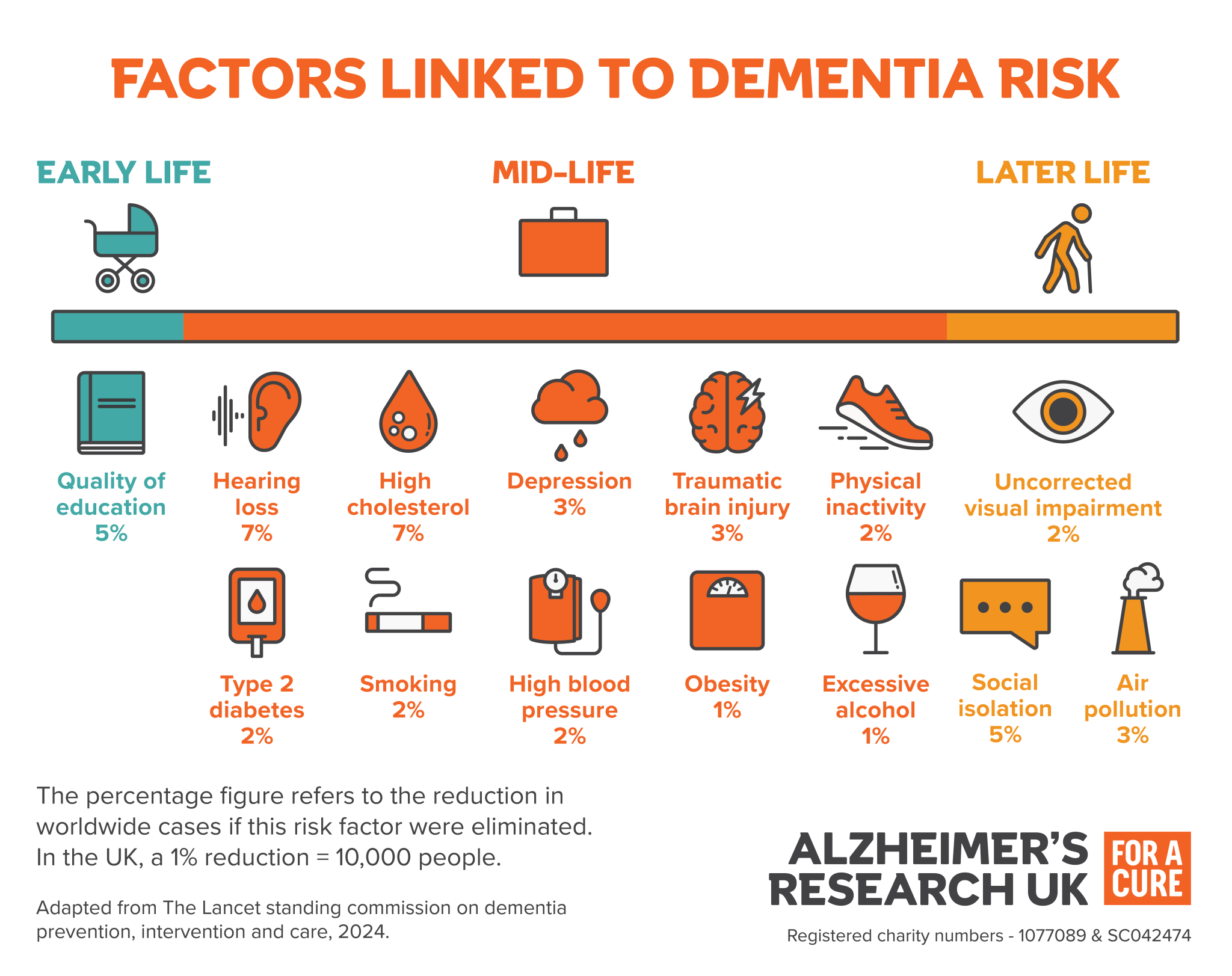
Lifestyle factors can play a protective role. A healthy diet rich in fruits, vegetables, and omega-3 fatty acids can help reduce inflammation and oxidative stress. Regular exercise, social engagement, and cognitive stimulation are also important. These aren’t cures, but they can help build resilience.
Eating well and exercising helps, but you can't outrun a changing climate on your own. We need policy shifts that protect everyone, not just those who can afford air conditioning.





No comments yet. Be the first to share your thoughts!