
Two sides of decline
Dementia isn't a single disease; it's an umbrella term for a group of symptoms affecting cognitive abilities like memory and thinking. Among the most common causes are Alzheimer’s dementia and vascular dementia, each with a distinct path and set of challenges. Understanding these differences is the first step for families navigating a diagnosis, though I know for many, even starting that journey feels overwhelming.
Alzheimer's is characterized by the buildup of abnormal proteins in the brain, gradually eroding memory and cognitive function. Vascular dementia, on the other hand, stems from problems with blood supply to the brain – often linked to strokes or other cardiovascular issues. While both result in decline, the way they manifest and the approaches to care can differ significantly.
Early diagnosis is incredibly important, allowing for better management of symptoms and planning for the future. However, it’s often a difficult process. Symptoms can be subtle initially, and overlap between conditions is common. It’s not unusual for families to seek multiple opinions before arriving at a clear understanding. This uncertainty can be frightening, and it’s okay to feel that way.
The following comparison looks at how these two differ in 2026, from what causes them to how doctors treat them. The goal is to help you know what to ask for when you're in the doctor's office.
Alzheimer’s and the protein problem
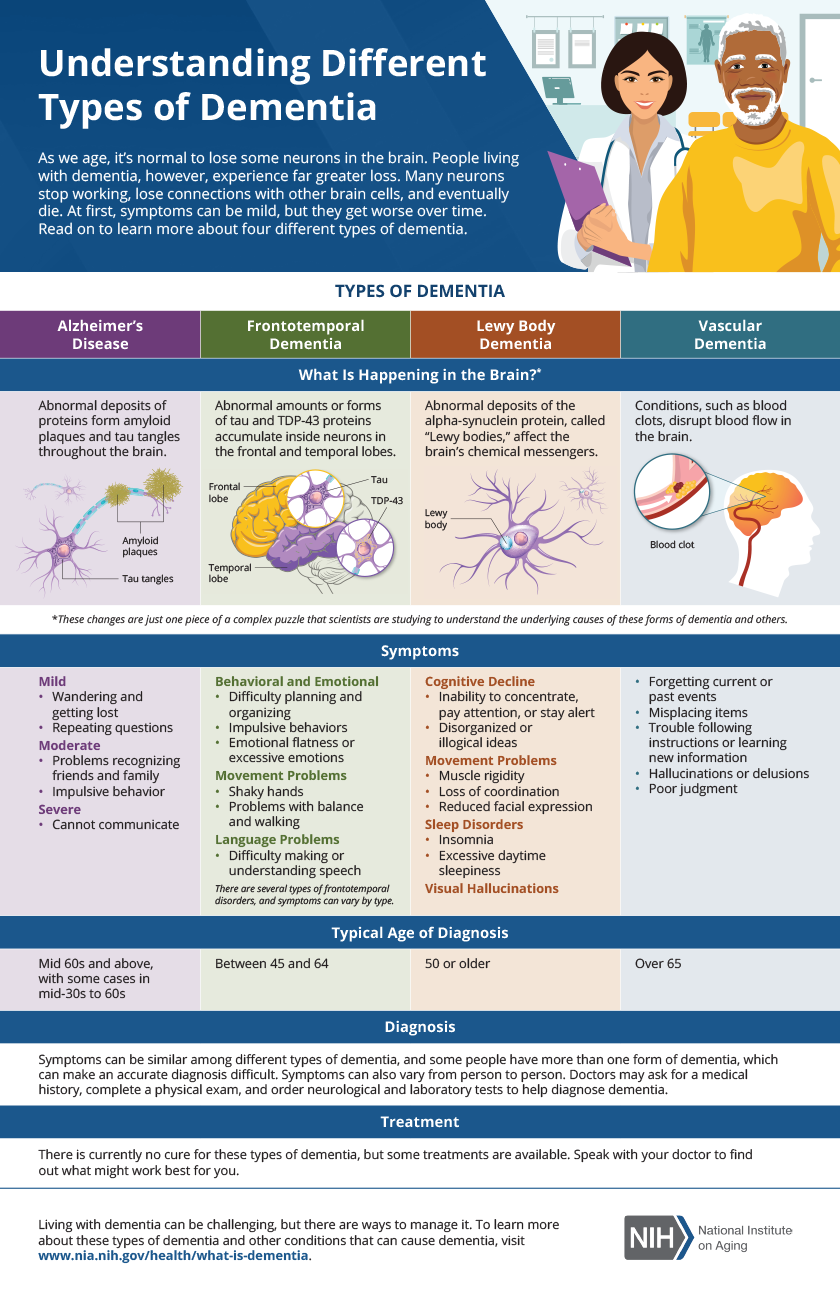
Alzheimer’s dementia is primarily linked to the abnormal buildup of two proteins in the brain: amyloid plaques and tau tangles. These aren’t simply byproducts of aging, but rather represent a fundamental disruption of brain function. Amyloid plaques accumulate between nerve cells, disrupting cell-to-cell communication. Tau tangles form inside nerve cells, causing them to die.
The accumulation of these proteins leads to a progressive loss of neurons and synapses – the connections between neurons. This loss begins in the hippocampus, the area of the brain crucial for forming new memories, which explains why memory loss is often one of the first noticeable symptoms. As the disease progresses, it spreads to other areas of the brain, affecting language, judgment, and eventually, basic bodily functions.
While we’ve made significant strides in understanding the pathology of Alzheimer’s, the exact cause remains elusive. Genetics play a role, particularly in early-onset Alzheimer’s, which affects people under the age of 65. The APOE4 gene is a known risk factor, but having this gene doesn't guarantee you'll develop the disease. Age is the greatest risk factor, with the likelihood of developing Alzheimer’s increasing significantly after age 65.
Researchers at the National Institute on Aging continue to investigate the complex interplay of genetic, lifestyle, and environmental factors that contribute to Alzheimer's. Current research is focused on developing therapies that can prevent the formation of amyloid plaques and tau tangles, or clear them from the brain. It’s a long road, and there are no guarantees, but the pace of discovery is encouraging.
Vascular dementia and blood flow
Vascular dementia arises from reduced blood flow to the brain, depriving brain cells of oxygen and nutrients. Unlike Alzheimer’s, which is primarily driven by protein abnormalities, vascular dementia is directly linked to cardiovascular health. This damage isn't a single event, but often a series of small strokes, or chronic reductions in blood flow, over time.
There are several subtypes of vascular dementia. Multi-infarct dementia is caused by a series of noticeable strokes, each leading to a step-wise decline in cognitive function. Subcortical vascular dementia involves damage to the small blood vessels deep within the brain, leading to problems with processing speed, executive function, and mood. Mixed dementia, a common occurrence, involves a combination of Alzheimer’s and vascular dementia.
Vascular dementia is tied to heart health. High blood pressure, cholesterol, and diabetes are the main drivers here. Unlike Alzheimer’s, where we are still guessing at prevention, you can actually lower your risk for vascular dementia by managing these conditions early.
The National Institute on Aging emphasizes the importance of a heart-healthy lifestyle – regular exercise, a balanced diet, and avoiding smoking – to reduce the risk of vascular dementia. It's not just about treating existing conditions, but proactively protecting your cardiovascular system. This is something within your control, and that’s a powerful message.
Where symptoms overlap and diverge
Both Alzheimer’s and vascular dementia share core symptoms like memory loss, confusion, difficulty with language, and changes in personality. This overlap is a major source of diagnostic difficulty. In the early stages, it can be incredibly challenging to distinguish between the two based on symptoms alone. Families often describe a general sense that "something isn’t right".
However, there are key differences in how these symptoms manifest. Vascular dementia often presents with a "stepwise" decline, meaning cognitive function worsens suddenly after a stroke or series of small strokes, then plateaus for a period before declining again. Alzheimer's typically progresses more gradually, with a slower and more consistent decline over time.
Vascular dementia frequently impacts executive function – the ability to plan, organize, and make decisions – more prominently than Alzheimer’s. Individuals with vascular dementia may struggle with complex tasks, problem-solving, and adapting to new situations. They may also experience physical symptoms, such as weakness, gait problems, or difficulty with balance, which are less common in early Alzheimer’s.
Alzheimer's, in contrast, often begins with subtle memory lapses, particularly with recent events. As the disease progresses, individuals may become disoriented in familiar surroundings, struggle to find the right words, and experience significant personality changes. While
- Alzheimer’s usually starts with slow memory loss, trouble finding words, and getting lost in familiar places.
- Vascular dementia often shows up as sudden drops in ability, trouble with planning, and physical issues like a shaky walk.
Vascular Dementia vs. Alzheimer's Disease: A Comparative Overview
| Symptom Category | Alzheimer's Disease | Vascular Dementia |
|---|---|---|
| Memory Loss | Common, particularly recent memory. Often begins subtly and worsens over time. | Common, but may be more variable. Can present as patchy memory loss related to specific stroke events. |
| Confusion | Frequent and progressive. Disorientation to time and place is typical. | Common, but often fluctuates and can be sudden, especially after a stroke or series of strokes. |
| Personality Changes | Gradual personality shifts, including increased irritability, anxiety, or depression. Can become withdrawn. | More likely to exhibit personality changes directly linked to vascular events; may appear more apathetic or exhibit disinhibition. |
| Executive Function | Significant impairment in planning, problem-solving, and organization. Difficulty with complex tasks. | Impairment in executive function is common, but the specific areas affected can vary depending on the location of vascular damage. |
| Motor Skills | Generally preserved in early stages. May develop later as the disease progresses. | More likely to have noticeable motor skill deficits, such as weakness, balance problems, or difficulty with coordination, especially if strokes have affected motor areas of the brain. |
| Speed of Onset | Typically gradual, developing over years. | Can be sudden (following a stroke) or stepwise, with periods of stability followed by declines after vascular events. |
| Pattern of Decline | Generally a steady, progressive decline in cognitive abilities. | Often characterized by a stepwise decline, with periods of relative stability interspersed with acute worsening following strokes or transient ischemic attacks (TIAs). |
Illustrative comparison based on the article research brief. Verify current pricing, limits, and product details in the official docs before relying on it.
The diagnostic timeline
Diagnosing dementia, whether Alzheimer’s or vascular dementia, is a complex process. It typically begins with a thorough medical history review, including a detailed assessment of the individual’s cognitive abilities and behavioral changes. Doctors will also ask about family history, medications, and any underlying health conditions.
Neuropsychological testing plays a crucial role in evaluating cognitive function. These tests assess memory, attention, language, problem-solving skills, and other cognitive domains. Brain imaging techniques, such as MRI and CT scans, can help rule out other causes of cognitive impairment, like tumors or strokes. PET scans can sometimes detect amyloid plaques in the brain, which are characteristic of Alzheimer’s.
Differentiating between Alzheimer’s and vascular dementia requires careful consideration of the individual’s medical history, symptoms, and imaging results. Doctors will look for evidence of strokes or other vascular damage on imaging scans. They’ll also assess the pattern of cognitive decline – is it gradual or stepwise?
It’s important to understand that a definitive diagnosis isn’t always possible, especially in the early stages. Sometimes, doctors may make a "probable’ diagnosis based on the available evidence. The diagnostic process can take time, and families should be prepared for multiple appointments and tests. Don"t hesitate to seek a second opinion if you have concerns.
Managing the conditions
Currently, there is no cure for either Alzheimer’s or vascular dementia. However, there are treatments available to help manage symptoms and improve quality of life. Treatment approaches differ based on the underlying cause of the dementia.
For Alzheimer’s, medications like cholinesterase inhibitors (donepezil, rivastigmine, galantamine) and memantine can help temporarily improve cognitive function. These medications don’t stop the progression of the disease, but they can provide some symptomatic relief. Non-pharmacological approaches, such as cognitive stimulation therapy, exercise, and a healthy diet, are also important components of care.
For vascular dementia, the focus is on managing cardiovascular risk factors. This includes controlling blood pressure, cholesterol, and diabetes. Medications to improve blood flow may also be prescribed. Lifestyle changes, such as quitting smoking and adopting a heart-healthy diet, are crucial.
Beyond medication, both types of dementia benefit from supportive care. This includes creating a safe and structured environment, providing emotional support, and engaging in activities that promote cognitive stimulation and social interaction. Resources like the Alzheimer's Association and the National Institute on Aging offer valuable support and information for families.
- Alzheimer’s Treatments: Cholinesterase inhibitors, memantine, cognitive stimulation therapy, exercise.
- Vascular Dementia Treatments: Cardiovascular risk management, medications to improve blood flow, lifestyle changes.
Essential Tools for Navigating Vascular Dementia and Alzheimer's

WiFi connectivity for easy photo sharing · Mobile app and email support · Preload content for gifted frames
This digital frame allows families to easily share memories and photos, offering a comforting connection for individuals experiencing memory challenges.

Rolls and jumps to wake users · Loud alarm sound · Unique gift for heavy sleepers
This playful alarm clock can help ensure individuals with dementia or cognitive impairments wake up on time, promoting routine and independence.

Automatically shuts off electric stoves · Oven monitoring capabilities · Safety device for seniors
This safety device provides peace of mind by preventing potential kitchen fires, a crucial consideration for caregivers of individuals with dementia.

Relaxing memory activities · Easy puzzles and brain games · Designed for adults
This activity book offers engaging and accessible cognitive stimulation, helping to maintain mental sharpness and provide enjoyable moments.

Comprehensive guide for caregivers · Covers Alzheimer's and other dementias · Practical advice for families
This essential guide provides in-depth information and practical strategies for families navigating the complexities of caring for someone with dementia.
As an Amazon Associate I earn from qualifying purchases. Prices may vary.

No comments yet. Be the first to share your thoughts!