
Gen X and the rise of early diagnosis
Alzheimer’s isn't just a disease for the elderly anymore. More people in their 50s and early 60s are receiving diagnoses, a shift that has caught many doctors off guard. For Gen X, this isn't a distant threat; it's a demographic reality that is changing how we think about cognitive health in middle age.
"Early onset’ is generally defined as Alzheimer’s diagnosed before age 65. For Gen X, this is particularly concerning. This generation often faces unique pressures – demanding careers, financial strains, and the complexities of raising families while simultaneously caring for aging parents. These factors contribute to higher stress levels, which are increasingly linked to cognitive decline. There"s also a chance that diagnoses have been delayed, as people didn't expect to face these issues at a younger age.
The National Institute on Aging (NIA) and Alzheimer’s.gov are excellent resources for understanding the disease and accessing support. They offer comprehensive information about symptoms, diagnosis, care, and research. It's important to remember that while the news can be unsettling, awareness is the first step towards proactive management and, hopefully, prevention. Ignoring the possibility simply isn’t an option anymore.

Warning signs that aren't just forgetfulness
We often associate Alzheimer’s with memory loss, and that’s certainly a key symptom. However, the early signs can be much more subtle, and easily dismissed as simply "having a bad day’ or ‘being stressed." That's why it’s critical to look beyond the typical memory lapses and pay attention to changes in cognitive abilities.
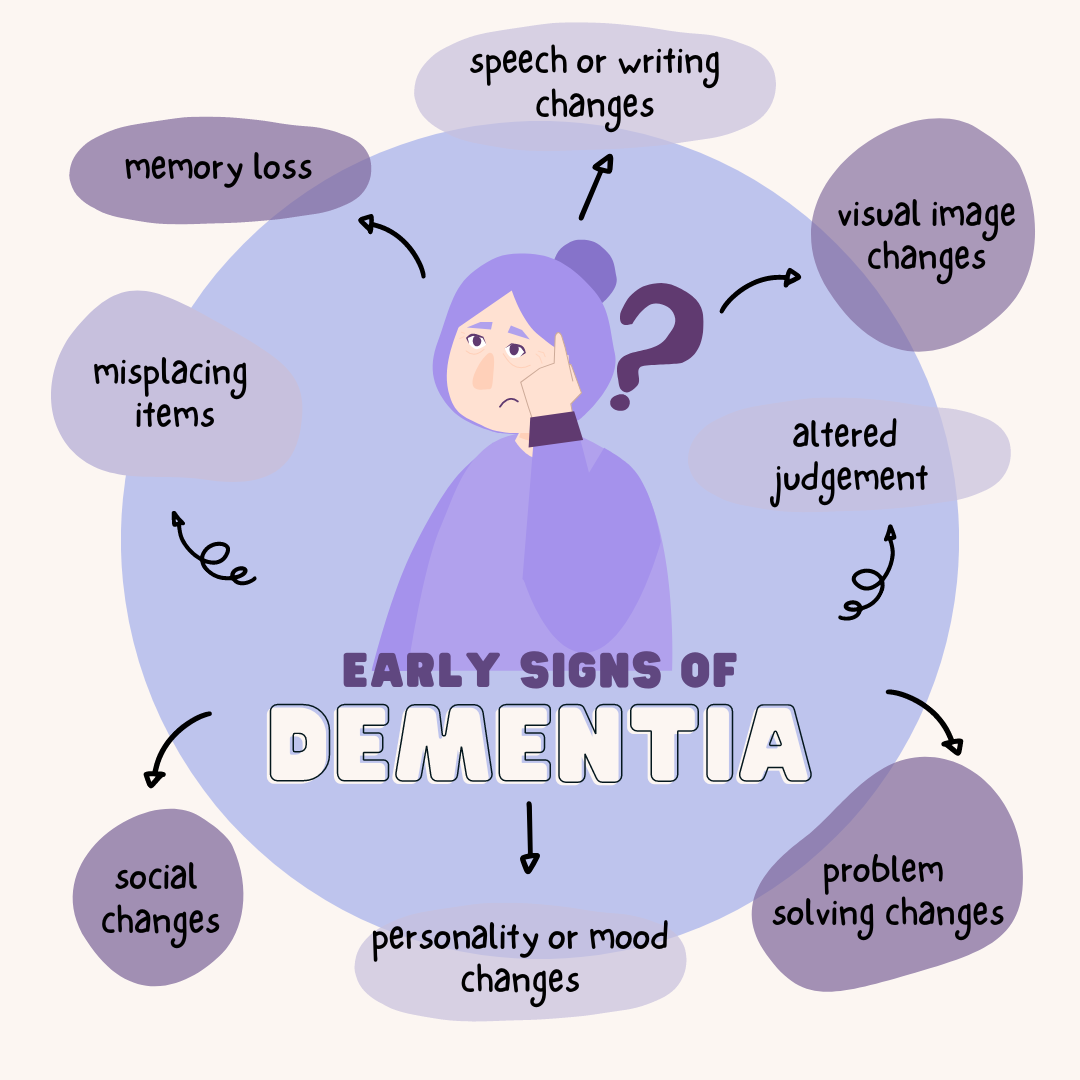
Difficulty finding the right words – struggling to participate in conversations or repeatedly using the wrong terms – is a common early indicator. Trouble with problem-solving or planning, such as managing finances or following a recipe, can also be a sign. Pay attention to changes in mood or personality; increased irritability, anxiety, or depression can sometimes precede cognitive decline. These shifts aren’t necessarily related to external events.
Misplacing things is normal, but becoming unable to retrace your steps to find them is a different matter. For example, putting keys in an unusual place and then being completely unable to remember where you left them, despite a thorough search. These aren’t just occasional lapses in memory; they represent a noticeable change from a person’s usual behavior. If you or someone you know is experiencing these changes, it’s crucial to consult with a healthcare professional for a thorough evaluation.
It’s important to remember that experiencing one or two of these symptoms doesn’t automatically mean someone has Alzheimer’s. However, if you notice several changes, and they are interfering with daily life, seeking a professional opinion is essential. Early diagnosis allows for better management of the disease and access to available resources.
- Struggling to find the right words during a normal conversation
- Trouble with problem-solving or planning
- Changes in mood or personality
- Misplacing things and inability to retrace steps
How lifestyle changes help
While there’s no guaranteed way to prevent Alzheimer’s, accumulating evidence suggests that lifestyle factors play a significant role in reducing risk. This is encouraging news for Gen X, as many of these factors are within our control. It's about building habits that support brain health throughout life.
Eating a Mediterranean diet—mostly plants, grains, and healthy fats—is one of the few things we know helps. Exercise is just as important. I try to hit 150 minutes of cardio a week, plus some weight lifting. It keeps the blood moving and might actually help grow new brain cells.
Prioritizing sleep is often overlooked, but it’s essential for brain health. Aim for 7-8 hours of quality sleep each night. Chronic sleep deprivation can impair cognitive function and increase the risk of Alzheimer’s. Stress management techniques, such as mindfulness, yoga, or meditation, can also help protect the brain. Chronic stress can damage brain cells and contribute to cognitive decline.
Finally, social engagement is incredibly important. Maintaining strong social connections and participating in mentally stimulating activities can help keep the brain active and engaged. This isn’t about eliminating risk entirely, but about stacking the odds in your favor. It’s about making conscious choices to support brain health as we age.
Genetic Predisposition: Is It In Your Genes?
Genetics do play a role in Alzheimer’s disease, but it’s a complex picture. It’s important to understand the difference between familial Alzheimer’s and sporadic Alzheimer’s. Familial Alzheimer’s is rare, accounting for less than 5% of cases, and is caused by specific gene mutations that guarantee the development of the disease. This form often appears at a younger age.
Sporadic Alzheimer’s, the more common form, is influenced by a combination of genetic factors, lifestyle factors, and environmental factors. The APOE4 gene is the most well-known genetic risk factor for sporadic Alzheimer’s. Having one copy of the APOE4 gene increases your risk, while having two copies increases your risk even further.
However, it’s vital to emphasize that having the APOE4 gene doesn’t guarantee you’ll develop Alzheimer’s. Many people with the gene never develop the disease, while others without the gene do. Genetic testing is available, but it’s important to discuss the potential benefits and risks with a genetic counselor before undergoing testing. It’s easy to misinterpret the results and create unnecessary anxiety.
If you have a strong family history of Alzheimer’s, it’s worth discussing genetic testing with your doctor. But remember, genetics are only one piece of the puzzle. Lifestyle factors and overall health play a crucial role.
2026 & Beyond: Emerging Prevention Strategies
The future of Alzheimer’s prevention looks promising, with several exciting research areas on the horizon. One key area is the development of blood biomarkers for early detection. These biomarkers could potentially identify individuals at risk of developing Alzheimer’s years before symptoms appear, allowing for earlier intervention.
New drug therapies targeting amyloid and tau proteins – the proteins that accumulate in the brains of people with Alzheimer’s – are also under development. Several clinical trials are currently underway, testing the effectiveness of these new treatments. These trials offer a glimmer of hope for a future where we can slow or even prevent the progression of the disease.
Researchers are also exploring lifestyle interventions tailored to individual genetic profiles. This personalized approach could involve recommending specific diets, exercise programs, or cognitive training exercises based on a person’s genetic makeup. Staying informed about these advancements is important, but it’s also crucial to be realistic about timelines and expectations. Progress takes time, and not all research will lead to successful treatments.
You can find information about ongoing clinical trials at the Alzheimer’s Association website and through the National Institute on Aging. Participating in research is a valuable way to contribute to the fight against Alzheimer’s.
- Blood biomarkers for early detection
- New drug therapies targeting amyloid and tau proteins
- Personalized lifestyle interventions


No comments yet. Be the first to share your thoughts!