
Why evenings get harder
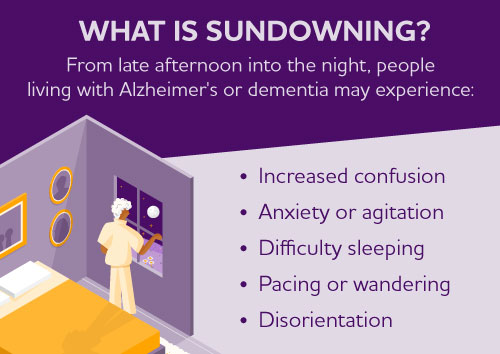
Sundowning – that increase in confusion, anxiety, or agitation that often happens in the late afternoon and evening – is a really common experience for people with dementia and their caregivers. It’s something I hear about constantly. But it's important to understand that sundowning isn't simply a natural progression of the disease itself. It’s a symptom cluster, meaning a collection of behaviors that appear together, and it can be managed. It's not a foregone conclusion that evenings will always be difficult.
There are several theories about what causes sundowning. One is reduced light exposure during the day, which can disrupt the body’s internal clock. Another is simply fatigue – both for the person with dementia and for their brain, which is working harder to compensate for cognitive loss. Environmental factors, like increased noise or activity, can also play a role. Changes in brain function associated with dementia, specifically affecting sleep-wake cycles, are also considered a significant contributor.
A caregiver named Sarah once told me she thought her mother was just being difficult. It took her a while to see that the agitation was physiological, not a choice. Once she made that mental shift, her approach to the evenings changed completely. Knowing the 'why' is usually the first step to fixing the 'what.'
It’s frustrating for everyone involved, and it can feel incredibly isolating. But recognizing sundowning as a manageable symptom, rather than an inevitable consequence of dementia, offers a sense of hope and empowers caregivers to take action. Knowing what might be happening and why can make a huge difference.
Spotting the patterns
Sundowning can manifest in a lot of different ways, and it’s not always the same for every person. Common behavioral changes include increased confusion, anxiety, agitation, restlessness, and pacing. Some people may become more withdrawn or quiet, while others may become more vocal or argumentative. Wandering is also a frequent concern, as is an increase in hallucinations or delusions. It’s important to note that these aren’t new behaviors necessarily, but an increase in existing ones.
It’s rarely a sudden, dramatic shift. Often, sundowning creeps in gradually, starting in the late afternoon and peaking in the early evening. However, the timing can vary. Some individuals might start exhibiting symptoms earlier in the day, while others might not become noticeably affected until after dinner. It's about paying attention to the pattern and noticing when things start to change.
The way sundowning presents can also differ depending on the type of dementia. In Alzheimer’s disease, it often involves increased anxiety and confusion. In Lewy body dementia, fluctuations in alertness and visual hallucinations are more common. Vascular dementia can present with more pronounced agitation and restlessness. It’s essential to consider the specific dementia diagnosis when assessing and managing sundowning.
Don't focus solely on what behaviors are happening, but on the change from the person’s usual baseline. A little irritability might be normal for someone, but a sudden, significant increase in irritability, especially in the evening, is a key indicator of potential sundowning.
- Increased confusion
- Anxiety
- Agitation
- Restlessness
- Pacing
- Wandering
- Hallucinations
- Increased irritability
Light and Environment: The Foundation
Creating a supportive environment is absolutely fundamental to managing sundowning. And it starts with light. Exposure to bright light during the day helps regulate the body’s circadian rhythm, promoting better sleep at night. This could involve opening curtains and blinds, spending time outdoors, or even using a light box – a device that emits bright, full-spectrum light. Conversely, minimizing light exposure in the evening can help signal the brain that it’s time to wind down.
Beyond light, a calm and uncluttered environment is essential. Reducing noise levels, limiting stimulating activities, and ensuring a comfortable temperature can all contribute to a sense of security. Overstimulation can easily exacerbate sundowning symptoms. Think about simplifying the surroundings, removing unnecessary furniture, and creating a peaceful atmosphere.
I often suggest to caregivers that they use familiar objects and music to create a sense of comfort and security. A favorite photo album, a comforting blanket, or a playlist of well-loved songs can be incredibly soothing. These familiar cues can help ground the person and reduce feelings of anxiety and disorientation. A simple, predictable environment is key.
Dimming the lights gradually in the evening, rather than abruptly switching them off, can also be helpful. Using nightlights in hallways and bathrooms can reduce the risk of falls and provide a sense of reassurance. These small changes can make a surprisingly big difference.
20 Evidence-Based Techniques for Evening Care
There’s a lot caregivers can do to proactively manage sundowning. Here's a look at 20 techniques, grouped for clarity. It’s important to remember that what works for one person might not work for another, so experimentation is often necessary. I'll categorize these into behavioral, environmental, and pharmacological approaches – remembering that medication should always be a last resort and used under careful medical supervision.
Behavioral Techniques: 1) Establish a consistent daily routine (Alzheimer’s Association). 2) Simplify activities and break down tasks into smaller steps. 3) Redirect attention to a calming activity when agitation starts. 4) Use validation therapy – acknowledge the person’s feelings, even if they don’t align with reality. 5) Offer reassurance and a calm presence. 6) Engage in gentle exercise during the day (but avoid strenuous activity close to bedtime). 7) Limit caffeine and sugar intake, especially in the afternoon and evening. 8) Provide opportunities for social interaction.
Environmental Techniques: 9) Maximize bright light exposure during the day. 10) Minimize light exposure in the evening. 11) Reduce noise levels and distractions. 12) Create a calm and uncluttered environment. 13) Use nightlights in hallways and bathrooms. 14) Play soothing music or white noise. 15) Offer aromatherapy with calming scents like lavender or chamomile (National Institute on Aging). 16) Ensure a comfortable temperature and adequate ventilation.
Pharmacological Techniques (Use with Caution): 17) Consult with a doctor about potential medication options (only for severe agitation and safety concerns). 18) Be aware of the FDA black box warning for antipsychotics in dementia. 19) Explore alternative medications like antidepressants or anxiolytics (under medical supervision). 20) Prioritize non-pharmacological approaches whenever possible. Remember that medication carries risks and side effects, and it should only be considered when other strategies have failed. A physician should always be involved in these decisions.
These techniques aren’t meant to be implemented all at once. Start with a few that seem most promising and gradually add others as needed. Keeping a log of what you try and what works (and what doesn’t) can be incredibly helpful in refining your approach.
The reality of medication
I want to be very clear: medication should not be the first line of defense against sundowning. Non-pharmacological interventions are almost always more effective, and they carry far fewer risks. However, there are situations where medication might be considered – specifically, when the person is experiencing severe agitation that poses a safety risk to themselves or others.
If medication is deemed necessary, it's crucial to work closely with a doctor to determine the most appropriate option. Antipsychotics are sometimes prescribed, but they come with significant risks, including increased risk of stroke and mortality. The FDA has issued a black box warning about their use in elderly patients with dementia. Alternative medications, such as antidepressants or anxiolytics, may be considered, but they also have potential side effects.
The goal of medication should always be to manage the symptoms of sundowning, not to suppress the underlying cause. It should be used as a temporary measure to provide relief and allow other interventions to take effect. Regular review of the medication regimen is essential to ensure it remains appropriate and effective. Prioritizing non-pharmacological approaches is always the best course of action.
- FDA black box warning for antipsychotics in dementia
- Medication should be used as a temporary measure
- Regular review of medication regimen is essential
Personalized Plans: What Works for *Your* Loved One
This is where things get really individual. Sundowning isn't a one-size-fits-all phenomenon. What triggers sundowning in one person might be completely different for another. That's why it's so important to develop a personalized care plan based on the individual’s specific needs and preferences.
Keeping a behavior log can be incredibly helpful. Record the time of day when sundowning symptoms start, the specific behaviors that are observed, and any potential triggers that might be present. This information can help you identify patterns and tailor your interventions accordingly. What was happening right before the behavior started? Was it a change in routine, a loud noise, or a specific person?
Don't forget about caregiver self-care. Caring for someone with dementia is incredibly demanding, and burnout is a real risk. Make time for yourself, seek support from family and friends, and consider joining a caregiver support group. Respite care can also provide a much-needed break. You can’t effectively care for someone else if you’re not taking care of yourself.
I spoke with one family who discovered their mother’s sundowning was consistently linked to a specific television program she watched every evening. Once they realized this, they simply changed the channel or turned off the TV, and her agitation significantly decreased. These seemingly small discoveries can make a world of difference.


No comments yet. Be the first to share your thoughts!