
A Shift in the Numbers
Alzheimer's disease is no longer just a condition of old age. Recent data shows a concerning rise in early-onset Alzheimer's, affecting people under 50. The National Institute on Aging reports a steady increase in cases over the last five years, with a noticeable jump in those diagnosed between 30 and 45. Experts estimate 5-10% of all Alzheimer's cases are early-onset, though precise figures are hard to get due to misdiagnosis.
This rise causes anxiety. Facing a neurodegenerative disease so early disrupts life plans, careers, and finances more than late-onset dementia. The Alzheimer’s Association has seen more calls from younger people worried about family history and symptoms. The numbers suggest a genuine increase in incidence, not just awareness.
Early-onset Alzheimer's means diagnosis before age 65. A more specific distinction is early-onset Alzheimer's (ages 30-64) and younger-onset Alzheimer’s (diagnosed in the 30s, 40s, or early 50s). This younger group has unique challenges in diagnosis and support because their needs differ from older patients. This growing concern needs more research and attention.
Beyond Memory Loss: Early Symptoms
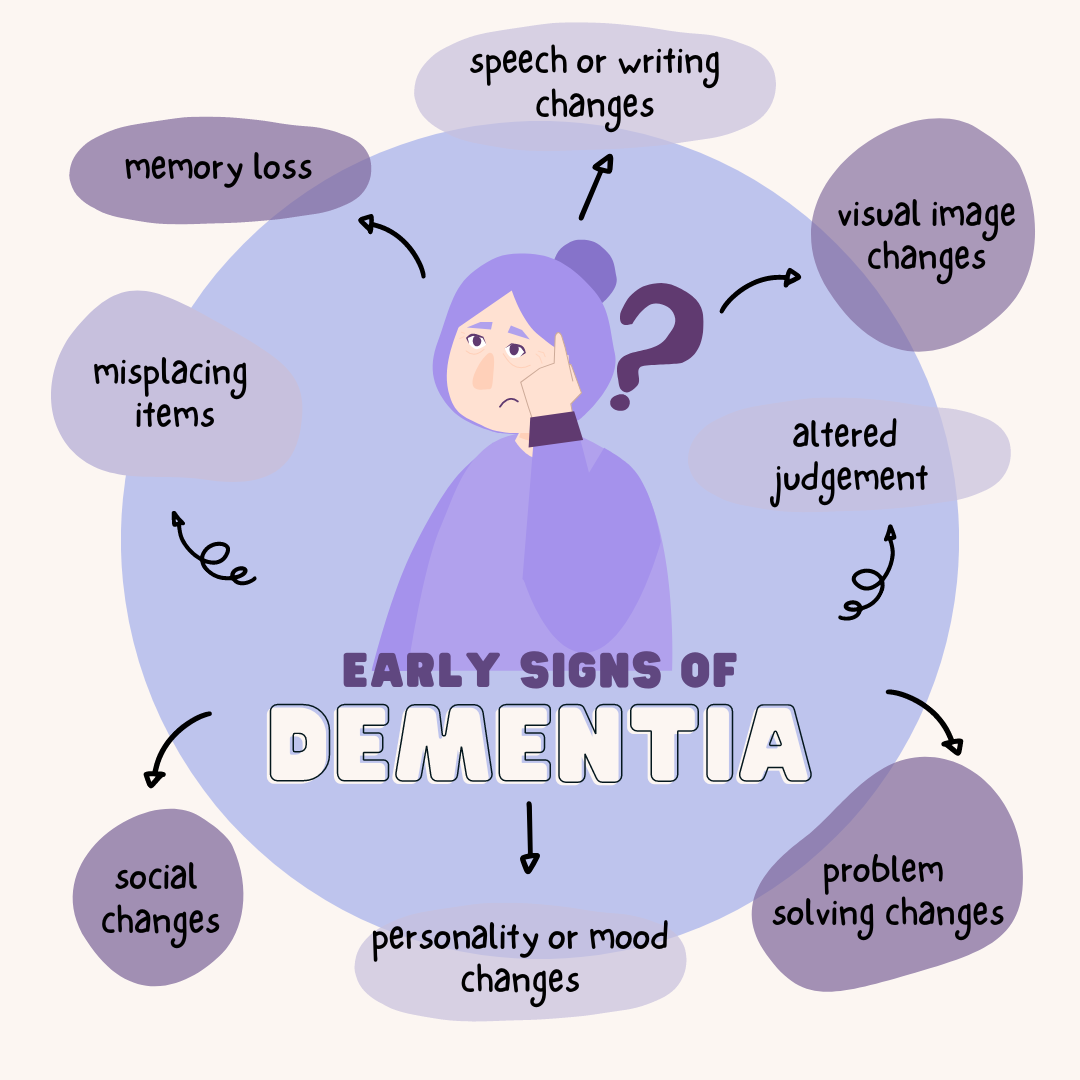
Memory loss is a hallmark of Alzheimer's, but early symptoms in younger people are often subtler. It's easy to dismiss these changes as stress or overwork, delaying diagnosis. Many with early-onset Alzheimer's don't initially complain of memory loss, but rather have trouble with cognitive functions beyond recall.
Look for changes in language skills. This isn't forgetting words, but struggling to find the right words (anomia). People might pause often, talk around a word, or use incorrect words. Visuospatial difficulties are also common, causing problems judging distances, navigating, or perceiving objects. Someone might bump into things, misjudge car speed, or get lost on a familiar route. You might notice these things by observing, not from memory complaints.
Executive function deficits – problems with planning, organization, and problem-solving – are often reported. This can mean difficulty managing finances, following a recipe, or completing complex work tasks. An organized person might suddenly struggle with multitasking or prioritizing. These symptoms can be mistaken for burnout or depression, making a thorough evaluation crucial. These symptoms often develop gradually, making them hard to detect at first.
Some key early signs include: difficulty with complex tasks (like planning a dinner party or managing finances), trouble with word-finding and communication, changes in mood or personality, problems with spatial awareness and navigation, and decreased judgment.
Genetic Links and Risk Factors
The genetics of early-onset Alzheimer's are complex. We distinguish between familial early-onset Alzheimer’s and sporadic early-onset. Familial Alzheimer's is rare (less than 5% of cases) and inherited through a dominant gene mutation. If a parent has the gene, their child has a 50% chance of inheriting it and developing the disease. The genes involved are APP, PSEN1, and PSEN2. Genetic testing is available but has significant emotional and ethical implications.
Sporadic early-onset Alzheimer's is more common, with less clear causes. It likely results from a mix of genetic predisposition and environmental factors. The APOE4 gene is a known risk factor, increasing Alzheimer's likelihood but not guaranteeing it. Many with APOE4 never develop the disease, and many without it do. It's a susceptibility gene, not a deterministic one.
Beyond genetics, non-genetic risk factors are being investigated. Head injuries, especially repeated traumatic brain injuries, are linked to increased risk. Cardiovascular health matters too – high blood pressure, high cholesterol, and diabetes can damage brain blood vessels, potentially contributing to Alzheimer's. Lifestyle factors like diet, exercise, and social engagement are also considered important.
Diagnosis: A Long Road
Diagnosing early-onset Alzheimer's can be long and frustrating. Symptoms often mimic other conditions like stress, depression, anxiety, or early-onset Parkinson's, so doctors may look elsewhere first. This is especially true for younger people, where Alzheimer's isn't the first thought. It's common for people to see multiple doctors and get misdiagnosed before an accurate assessment.
Diagnosis usually starts with a thorough medical history and neurological exam. This includes cognitive function tests like the Mini-Mental State Examination (MMSE) or the Montreal Cognitive Assessment (MoCA), which evaluate memory, attention, language, and other cognitive abilities. Brain imaging is also crucial. MRI scans can rule out other causes of cognitive decline, like tumors or stroke, while PET scans can detect amyloid plaques, a hallmark of Alzheimer's.
Blood tests and cerebrospinal fluid (CSF) analysis can also be used. CSF analysis can detect Alzheimer's biomarkers, like amyloid beta and tau proteins. However, these tests aren't always definitive and can produce false positives or negatives. Seek a specialist – a neurologist or geriatrician experienced in diagnosing dementia – for a comprehensive evaluation. Get a second opinion if you're unsure about the diagnosis.
Living with a Diagnosis: Support and Treatment
undefined indefinitely. These medications work by boosting levels of certain neurotransmitters in the brain.
Non-pharmacological interventions are equally important, and often more sustainable. Cognitive stimulation therapy (CST) involves engaging in activities designed to challenge and stimulate the brain. Regular physical exercise has been shown to have neuroprotective effects and can improve mood and overall health. A healthy diet, rich in fruits, vegetables, and omega-3 fatty acids, is also beneficial. Maintaining social engagement and pursuing hobbies can help preserve cognitive function and quality of life.
Perhaps most importantly, support is crucial. Individuals with early-onset Alzheimer's and their families need access to support groups, counseling, and educational resources. The Alzheimer's Association (alz.org) offers a wealth of information and support services. The National Institute on Aging (nia.nih.gov) also provides valuable resources for caregivers. Remember, you are not alone in this journey. Building a strong support network is essential for coping with the challenges of this disease.
Here are some helpful resources: Alzheimer’s Association: National Institute on Aging:
Essential Products for Early-Onset Alzheimer's Support

Organizes pills for 7 days with AM/PM compartments. · Features 4 loud reminder alarms to ensure medication is taken on time. · Moisture-proof design protects medication.
This pill organizer helps individuals with memory challenges maintain their medication schedule independently and reliably.

10.1-inch HD IPS touchscreen for clear photo and video display. · 32GB internal memory stores a large number of photos and videos. · Easy photo and video sharing via the AiMOR APP.
A digital picture frame can provide comfort and connection by displaying cherished memories, which can be particularly beneficial for individuals experiencing cognitive decline.

Designed with side zippers for easy dressing and catheter access. · Adaptive clothing offers comfort and dignity for individuals with specific medical needs. · Durable and comfortable fabric suitable for everyday wear.
These adaptive pants offer practical solutions for individuals managing medical needs, simplifying daily routines for both the wearer and caregivers.

Wireless DIY smart home security system with phone app alerts. · Includes alarm siren, door/window sensors, and remote controls. · Compatible with Alexa for voice control.
This WiFi door alarm system enhances home safety and provides peace of mind by alerting caregivers to potential security breaches.

Comfortable Sherpa fabric upholstery for a cozy feel. · Modern design suitable for various home decor styles. · Sturdy wood legs provide stability.
This accent chair offers a comfortable and accessible seating option for relaxation and reading, promoting a sense of normalcy and comfort.
As an Amazon Associate I earn from qualifying purchases. Prices may vary.
Financial and Legal Planning
A diagnosis of early-onset Alzheimer's necessitates careful financial and legal planning. These conversations are difficult, but essential. It's important to address these matters while the individual still has the capacity to make informed decisions. This includes establishing a power of attorney, which allows someone you trust to manage your finances and make healthcare decisions on your behalf if you become unable to do so yourself.
Advance healthcare directives, such as a living will, outline your wishes regarding medical treatment. Estate planning, including a will or trust, ensures your assets are distributed according to your desires. These documents should be reviewed and updated regularly to reflect changing circumstances. It’s wise to consult with an attorney specializing in elder law to ensure everything is legally sound.
Open and honest communication with family members is vital. Discussing these plans can be emotionally challenging, but it avoids potential conflicts and misunderstandings down the road. Resources like the Alzheimer's Association offer guidance on legal and financial planning for dementia. Proactive planning provides peace of mind and protects the individual’s financial security and wishes.
Research Frontiers: What's on the Horizon?
Research into Alzheimer's disease is rapidly evolving. Scientists are exploring new drug targets, including therapies aimed at reducing amyloid plaques and tau tangles, the protein abnormalities that characterize the disease. Several clinical trials are underway, testing promising new medications and immunotherapies. Advancements in biomarker research are also allowing for earlier and more accurate diagnosis.
Beyond pharmaceutical interventions, lifestyle factors are receiving increased attention. Studies suggest that regular exercise, a healthy diet, and cognitive stimulation can help reduce the risk of developing Alzheimer's and potentially slow its progression. Maintaining strong social connections and managing stress are also considered important. While a cure remains elusive, the future holds hope for more effective treatments and preventative strategies.



No comments yet. Be the first to share your thoughts!