Dementia vs Aging: Unraveling the Mystery
As the sun sets on our youth, the twilight years bring a certain wisdom, a slower pace, and yes, some forgetfulness. But when does forgetfulness cross the line from normal aging into something more serious? Understanding dementia, particularly spotting dementia signs, is not always as straightforward as we'd like. It's like trying to distinguish between a harmless garden snake and a venomous one - they might look similar, but one has far more serious implications.
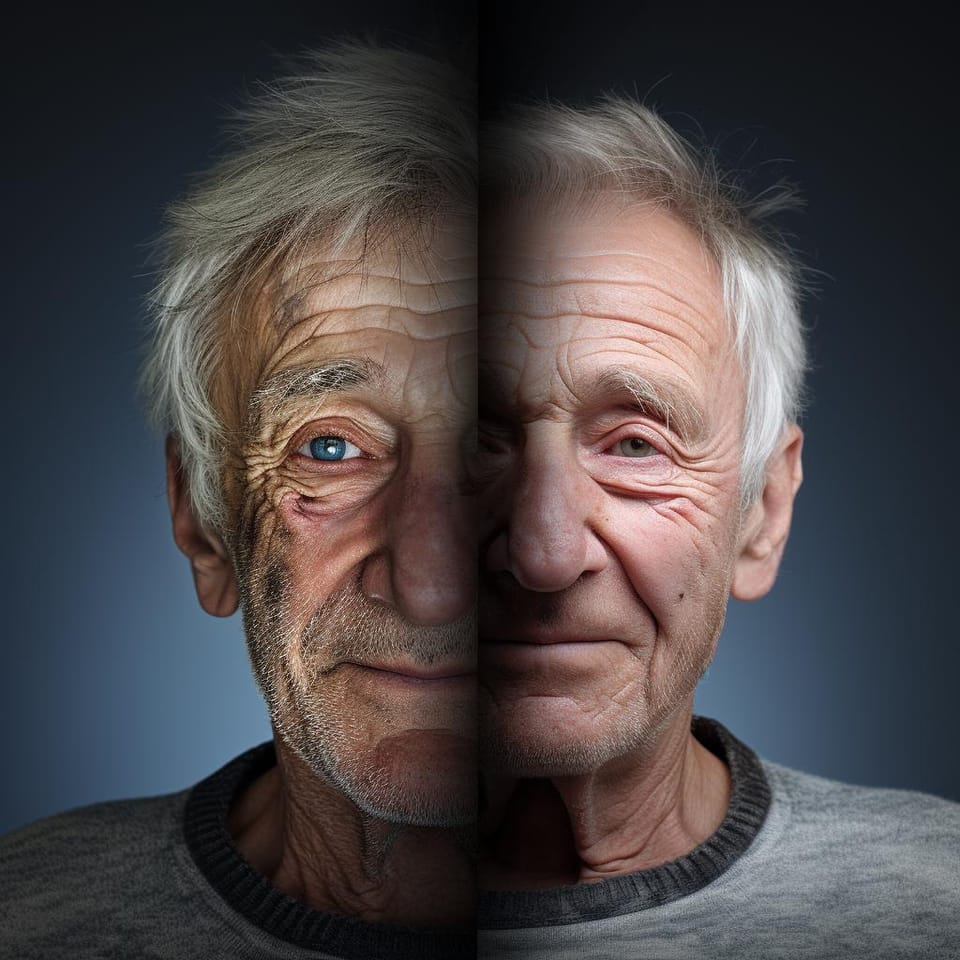
One of the most common misconceptions is that dementia, including Alzheimer's dementia and vascular dementia, is just a normal part of aging. It's not. Dementia is a disease. Aging, on the other hand, is a natural process. Like the turning of pages in a book, each one brings a new day, a new wrinkle, a new experience. But what if the pages start to stick together, the words begin to blur, and the story doesn't make sense anymore? That's when we need to understand the difference between normal aging and something potentially more serious.
So, let's embark on this journey together, to unravel the mystery of dementia vs aging. We'll arm you with dementia care tips, help you understand the symptom vascular dementia, and guide you through the labyrinth of aging and dementia.
Aging Gracefully: What's Normal and What's Not?
Common Signs of Normal Aging
- Memory Lapses: - Forgetting names or appointments occasionally but remembering them later.

- Physical Changes: - Experiencing wrinkles, grey hair, and perhaps a little slower in physical activities.

- Emotional Changes: - Feeling content, but also experiencing mood swings or increased worry.

Dementia: An Uninvited Guest in the Aging Process
So, what makes dementia a different beast than normal aging? Think of it as a thief in the night, gradually stealing away pieces of the person you know and love. Unlike the typical memory lapses we all experience as we age, dementia is a chronic, often progressive condition, primarily affecting memory, thinking, and social abilities severely enough to interfere with daily life. It's not just forgetting where the car keys are; it's forgetting what they're for.
While aging is a natural process, dementia is not. It's often caused by diseases, like Alzheimer's or symptom vascular dementia, that damage brain cells. This damage can lead to confusion, difficulty speaking, mood changes, and even trouble walking. When you're understanding dementia, it's crucial to remember that it's not just an extreme form of aging. It's a disease, and like any disease, it needs professional medical attention.
And here lies the crux of our journey: How do we tell the difference between normal aging and dementia? How can we spot the signs and provide the necessary dementia care tips?
Before we delve into the early signs of dementia, let's address some common questions about the differences between dementia and normal aging.
Now that we've answered some common questions, let's move on to discussing early signs of dementia to watch out for.
Spotting Dementia Early: Are You Missing These Signs?
Imagine forgetting where you placed your keys, or not recalling the name of a film you watched last week. These are common slips we all experience, and are often chalked up to the natural aging process. But when does it cross the line into the realm of dementia? When does 'forgetfulness' become a symptom of something more serious?
It's crucial to draw a line between normal aging and early signs of dementia. Are you noticing a loved one frequently repeating questions, showing confusion in familiar environments, or struggling with daily tasks? These could be early signs of Alzheimer's dementia or vascular dementia symptoms. Dementia is not just about memory loss – it's a decline in cognitive skills that affects daily life.
Understanding dementia and spotting dementia signs early can make a world of difference. It allows for early intervention, which can slow the progression and help maintain a good quality of life. Remember, knowledge is power when it comes to dementia care. So, are you seeing aging, or could it be something more?
Based on the detailed description of early dementia signs and symptoms that can be mistaken for normal aging, here's a checklist to help you assess if you or your loved ones are showing signs of dementia:
If you've identified several of these signs, it's important not to panic but to seek professional advice. Remember, these symptoms could be due to other health issues as well. The next section will guide you through the process of diagnosing dementia.
Decoding Dementia: It's Not Aging, It's a Diagnosis
Have you ever wondered how professionals determine whether it's dementia or just the natural process of aging? Well, it's a blend of both cognitive and physical tests that create a comprehensive picture.
Let's take a walk through this process. Imagine a doctor's office. The first step is a thorough medical history review, which includes understanding dementia symptoms that a patient may have exhibited. This could be anything from vascular dementia symptoms to Alzheimer's dementia signs. A physical examination follows, checking for any underlying conditions that might mimic or even contribute to dementia.
Next, cognitive and neurological tests are conducted. These are designed to assess memory, problem-solving skills, attention spans, counting skills and language. The results can be quite telling. Is it a symptom of vascular dementia or just a sign of aging? These tests help to distinguish.
Finally, brain scans like CT, MRI, or PET scans are performed. These can identify strokes, tumors, or other problems that can cause dementia. They can also measure the extent of brain damage or atrophy, common in Alzheimer's dementia.
Understanding dementia and differentiating it from aging is not an easy task, but these tests make it possible. So, remember, it's not just aging, it's a diagnosis. And knowing the difference can change everything.
To better understand how professionals diagnose dementia, let's take a look at a video from Teepa Snow, a renowned expert in dementia care.
In the video, Teepa Snow provides valuable insights into the process of diagnosing dementia. As we move forward, let's delve into the importance of early detection and how it can make a significant difference in managing dementia.
Curtain Call: The Lifesaving Power of Early Dementia Detection
As we bring the curtain down on our journey into understanding dementia, we return to the heart of it all - the undeniable importance of early detection. Let's not forget that 'forewarned is forearmed'. Getting a head-start on dementia means a fighting chance, an opportunity to prepare, to strategize, and to adapt. It's about holding onto precious moments, safeguarding memories, and cherishing the stories that define us. Isn't that worth a little vigilance?
But let's be clear - this is not about sparking fear, but fostering understanding. This understanding is your shield, your guiding light in a foggy landscape of doubts and misconceptions. So, what shall it be? Will you choose to see through the fog, armed with knowledge, ready to confront dementia head-on?
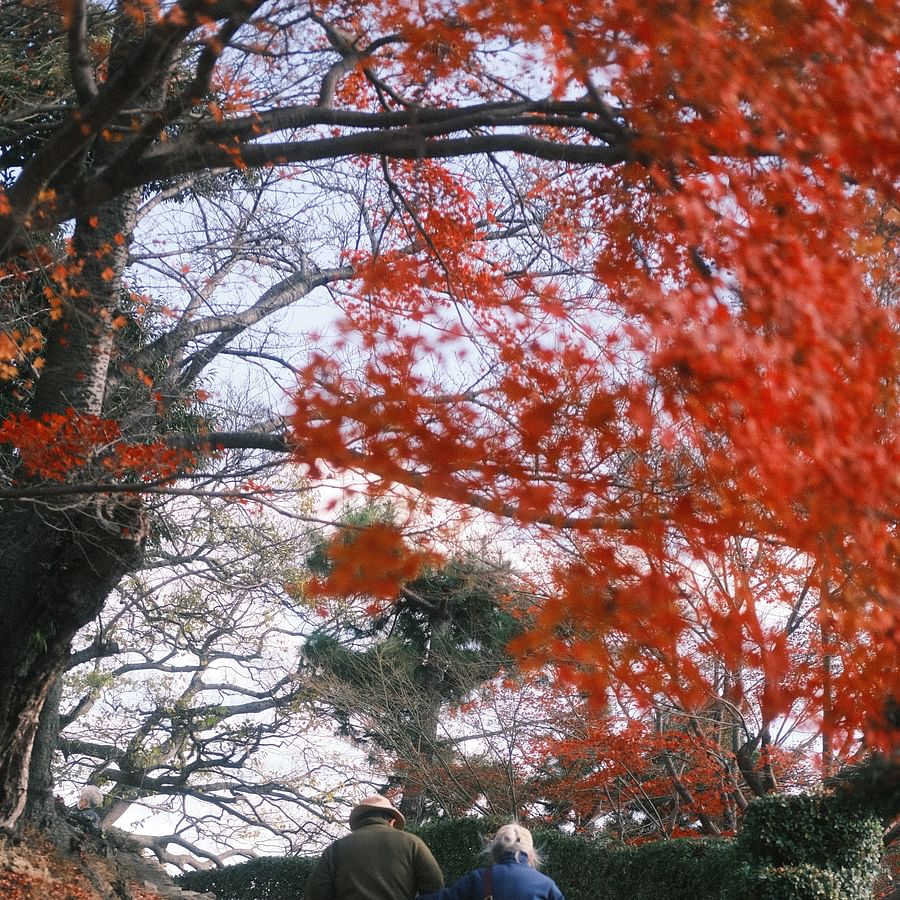
As we step back into our everyday lives, let's remember the elderly couple strolling through the park, the vibrant colors of life still in their stride. That could be us, that should be us. So wear your understanding like armor, share your knowledge, and keep the conversation going. After all, isn't that how we keep the fog at bay?
Before we part ways, why not test your newfound understanding? Take the interactive quiz to assess your grasp on the differences between dementia and aging. How about challenging a friend too? Let's turn understanding into action, one dementia care tip at a time.
Dementia vs Aging: Spot the Difference
Test your understanding of the differences between dementia and normal aging. Choose the best answer for each question.
Learn more about 🧠 Dementia vs Aging: Spot the Difference Quiz or discover other Dementia Care Tips quizzes.



No comments yet. Be the first to share your thoughts!